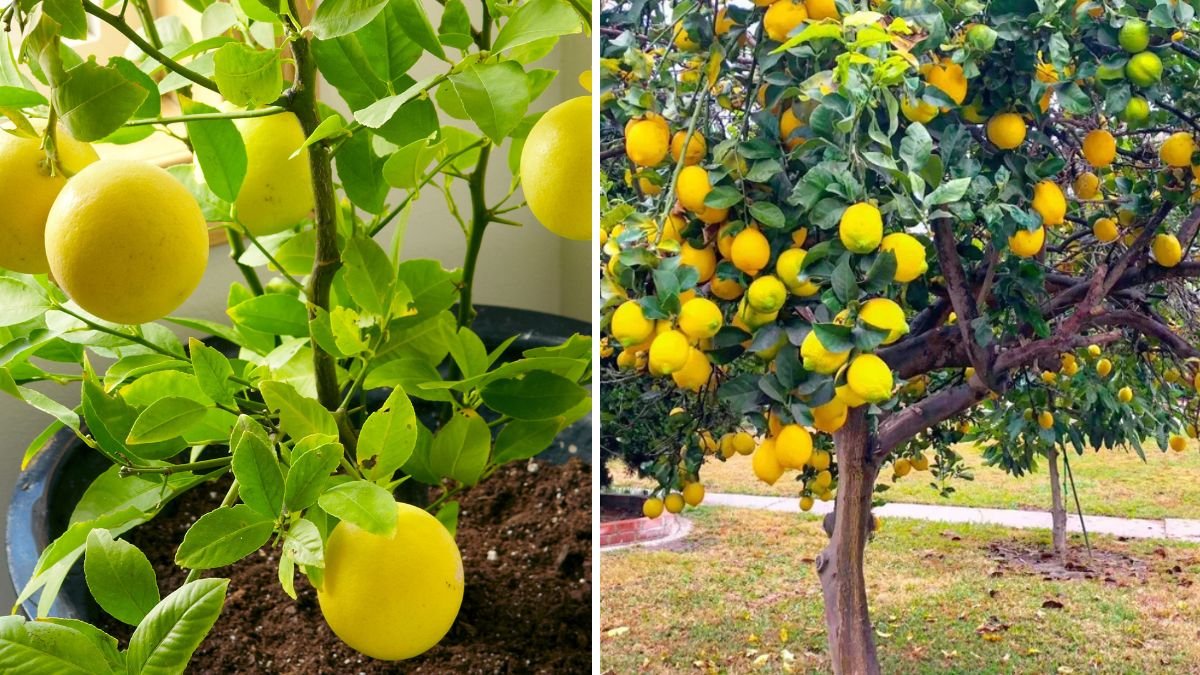
Growing your own lemon tree at home is one of the most rewarding gardening experiences. Imagine walking into your balcony, terrace, or garden and picking fresh lemons straight from a tree you propagated yourself—amazing, right? The best part is that propagating a lemon tree is much easier than most people think. With the right technique and a little patience, you can root lemon cuttings successfully and grow a healthy, fruit-bearing tree.
This step-by-step guide will walk you through everything you need to know about propagating lemon trees easily—from choosing the right branch to rooting, planting, and caring for your new lemon plant.
🌱 Why Propagate Lemon Trees from Cuttings?
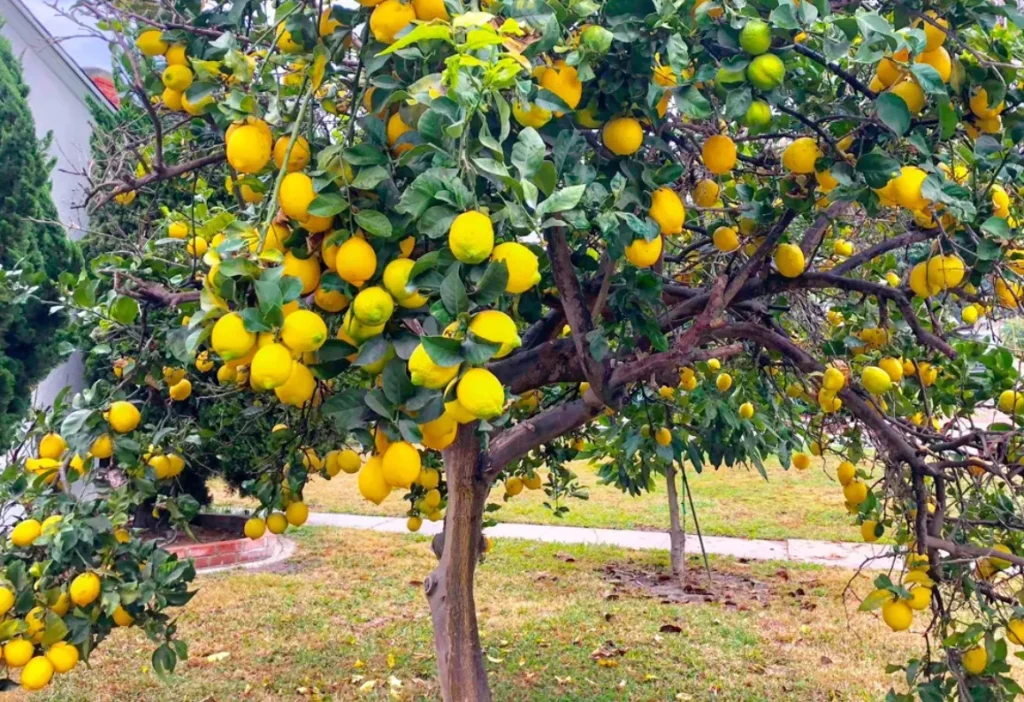
Growing lemon trees from seeds is possible, but it has several drawbacks:
- Seed-grown trees take longer—sometimes up to 5–7 years—to produce fruit.
- Seedlings may not produce true-to-type fruit, meaning the lemons may not resemble the parent plant.
- Cutting-propagated trees grow faster and fruit sooner, often within 2–3 years.
- Clonal propagation ensures identical fruit quality, aroma, and tree characteristics.
Because of these advantages, gardeners prefer propagation through cuttings—especially when they want quick, reliable results.
🌿 Step 1: Choose the Right Lemon Cutting
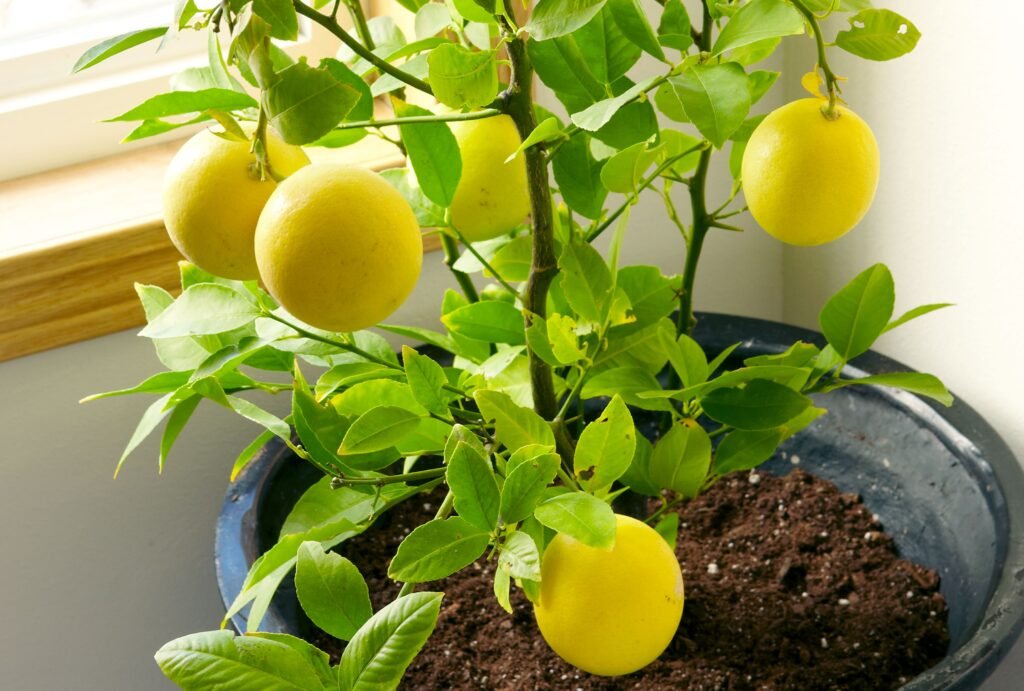
The success of lemon propagation starts with selecting the proper cutting. Look for:
✔ Semi-hardwood branch
Not too green and soft, not too old and woody. A 6–8 months old branch is perfect.
✔ Healthy, disease-free shoot
Choose a branch with clean leaves and no signs of pests or fungus.
✔ Length: 6–8 inches (15–20 cm)
This length is ideal for developing strong roots.
✔ 3–4 nodes (leaf joints)
Nodes are where new roots and shoots will emerge.
Avoid branches with flowers or fruits—they drain energy from root formation.
✂ Step 2: Prepare Your Cutting for Rooting
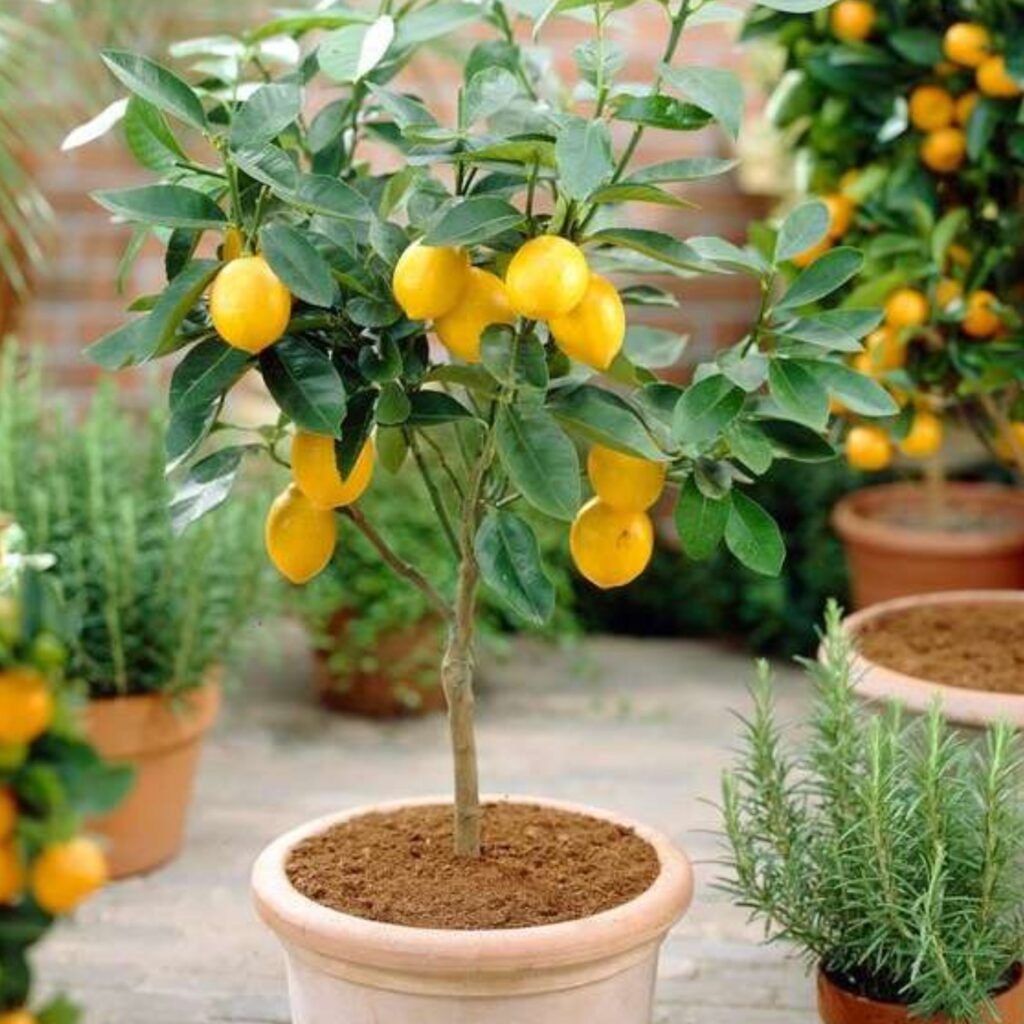
Once you’ve selected your branch, prepare it carefully:
✔ Make a clean 45° cut
A slanted cut increases the surface area for root growth.
✔ Remove leaves at the bottom
Strip 2–3 nodes worth of leaves. This is where roots will grow.
✔ Keep 2–3 leaves at the top
They help the cutting continue photosynthesis without overworking it.
✔ Optional: Remove half of each leaf
This reduces water loss through evaporation.
✔ Dip the base in rooting hormone
This significantly increases success rate.
If you don’t have rooting hormone, you can use:
- Honey
- Aloe vera gel
- Cinnamon powder
These natural alternatives help fight infections and support root growth.
🌱 Step 3: Choose a Suitable Growing Medium
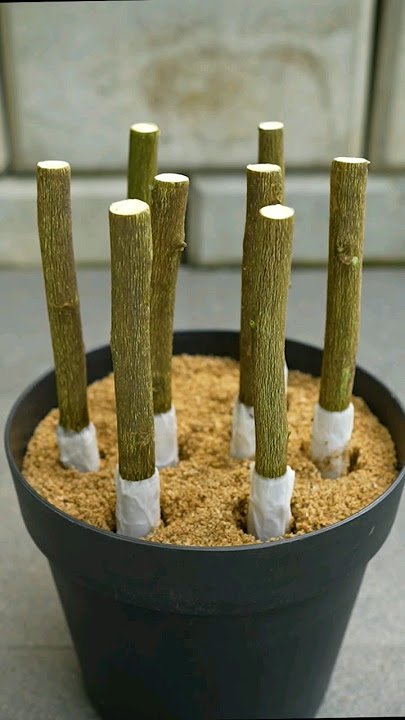
Rooting lemon cuttings requires a light, airy medium—too much clay or garden soil causes rot.
Best soil mix for rooting lemon cuttings:
- 40% Coco peat or peat moss
- 40% Perlite or coarse sand
- 20% Compost
This mixture ensures:
- Proper drainage
- Good moisture retention
- Enough aeration for root development
Sterilize the soil by keeping it in sunlight for a few hours to kill pathogens.
🌿 Step 4: Plant the Cutting Correctly
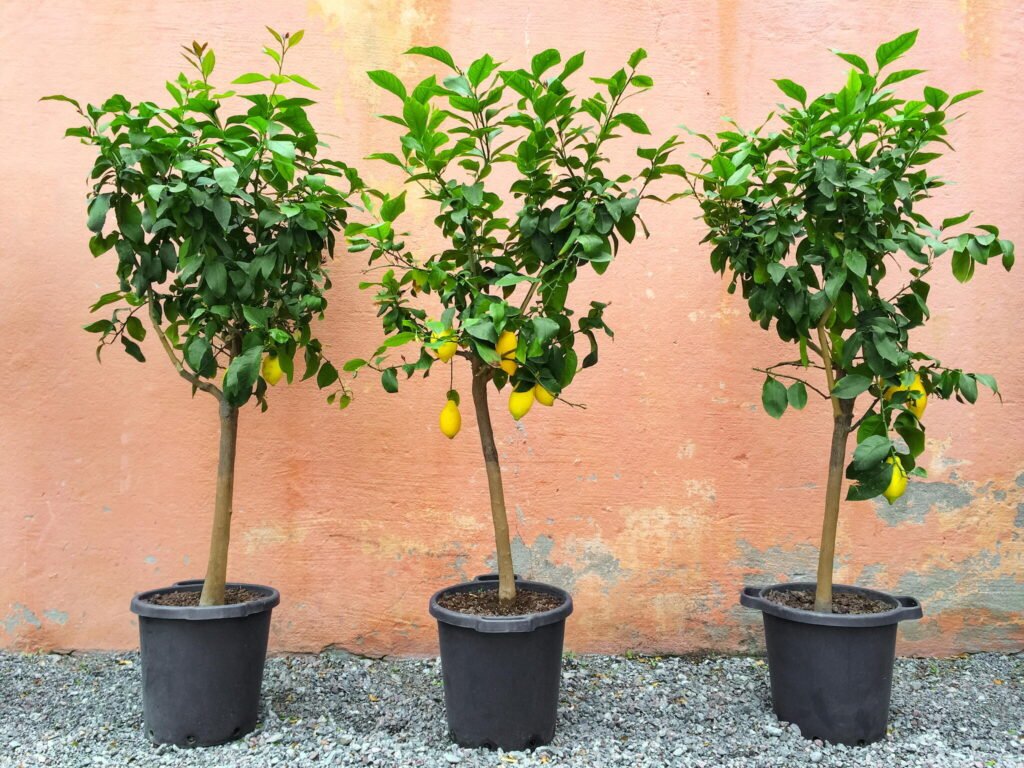
Here’s how to plant the cutting for best results:
✔ Make a hole before inserting the cutting
This prevents scraping off rooting hormone.
✔ Insert 2–3 nodes into the soil
These buried nodes will form roots.
✔ Firm the soil gently
Eliminates air pockets around the stem.
✔ Water lightly
The soil should be moist, not soggy.
🌡 Step 5: Create the Perfect Environment
Lemon cuttings root best in warm, humid conditions.
✔ Cover with a plastic bag or bottle dome
This creates a mini greenhouse to retain humidity.
✔ Place the pot in bright, indirect sunlight
Avoid harsh direct sunlight—it can scorch the tender cutting.
✔ Maintain temperature between 22–28°C (72–82°F)
Warmth speeds up rooting.
✔ Ventilate occasionally
Open the cover for 15–20 minutes daily to prevent mold.
💧 Step 6: Watering and Maintenance
Proper moisture is crucial:
- Keep the soil slightly moist at all times
- Avoid overwatering—it causes stem rot
- Do not disturb the cutting while roots are forming
You may see leaf drop initially—this is normal.
🌱 Step 7: Root Development Timeline
Lemon cuttings usually root in:
- 3–4 weeks (fast rooting)
- 6–8 weeks (slower rooting varieties)
To check root growth:
- Gently tug the cutting.
- If you feel resistance, roots have formed.
- Do not pull hard, as new roots are delicate.
🌿 Step 8: Transplanting Your New Lemon Plant
Once the plant has developed strong roots (5–6 inches long), transplant it into a bigger pot.
Ideal pot size:
8–12 inches with good drainage holes.
Potting mix for young lemon plant:
- 40% garden soil
- 30% compost
- 20% sand
- 10% coco peat
Place the pot in partial sunlight for the first week, then gradually introduce it to full sunlight.
🌞 Step 9: Caring for Your Young Lemon Tree
✔ Sunlight:
At least 5–6 hours of direct sunlight daily.
✔ Watering:
Keep soil moist but never waterlogged.
✔ Fertilizing:
Feed with:
- Vermicompost every 30 days
- Liquid seaweed fertilizer every 15 days
- Potash-rich fertilizer during flowering
✔ Pruning:
Remove weak, crossing, or diseased branches.
✔ Pest Control:
Common pests include aphids, scale, whiteflies, and fungal issues.
Spray neem oil once every 2 weeks as prevention.
🍋 When Will Your Propagated Lemon Tree Bear Fruit?
Lemon trees propagated from cuttings produce fruit faster than seed-grown trees.
Fruit-bearing timeline:
- 2–3 years with proper care
- Some dwarf varieties bear even sooner
You will enjoy lemons that are:
- Juicy
- Flavor-rich
- Identical to the parent plant
🌿 Final Thoughts
Propagating a lemon tree is incredibly simple, rewarding, and almost magical. With just a small cutting, a bit of soil, and proper care, you can grow a healthy lemon tree that will provide fresh fruits for years to come.
Whether you’re a beginner or an experienced gardener, this easy propagation method is sure to bring you joy and success in your gardening journey.