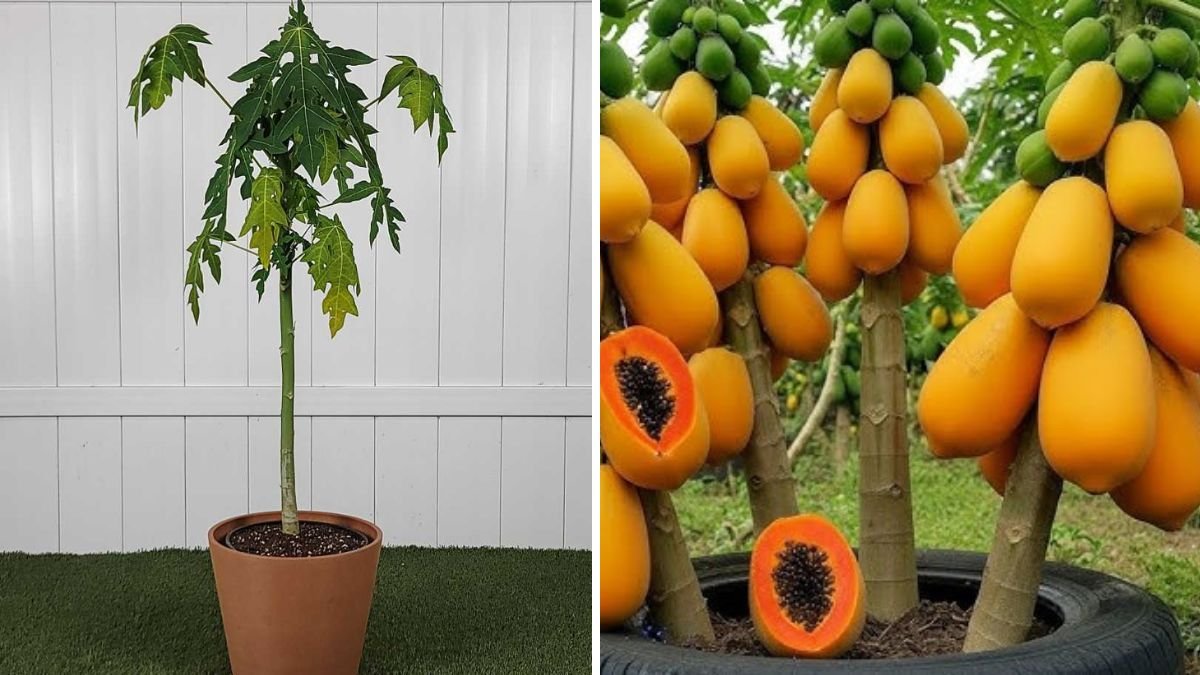
Papaya is one of the most rewarding fruit trees you can grow at home—fast-growing, delicious, loaded with nutrients, and perfect for tropical and warm climates. Whether you grow it for its fruits, its medicinal leaves, or simply as a beautiful addition to your garden, papaya is a plant that never disappoints.
But what if we told you that you can grow papaya easily and quickly—without spending money on nursery plants—by propagating it yourself? Yes! Papaya can be propagated with very simple methods that even beginners can master.
This detailed guide will walk you through how to propagate papaya trees easily, the best techniques, and expert tips to ensure fast germination, strong growth, and early fruit production.
🌱 Why Propagate Papaya Trees?
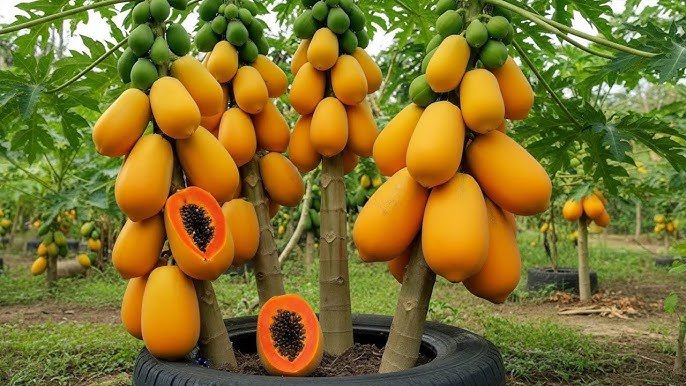
Many gardeners don’t realize how simple papaya propagation can be. Here’s why it’s worth doing:
✔ Cheaper Than Buying Plants
One papaya fruit contains hundreds of seeds—you can grow dozens of trees practically for free.
✔ Grows Extremely Fast
Papaya trees grown from seeds mature quickly, often fruiting within 8–12 months.
✔ Easy to Handle
They don’t require grafting or complex techniques. Papaya propagation is straightforward.
✔ More Variety
You can experiment with red papaya, yellow papaya, dwarf varieties, and hybrid varieties right at home.
✔ Endless Supply
Once you learn propagation, you can grow papaya anytime you want—no need to depend on nurseries.
🌞 Step 1: Choose Healthy Papaya Seeds or Cuttings
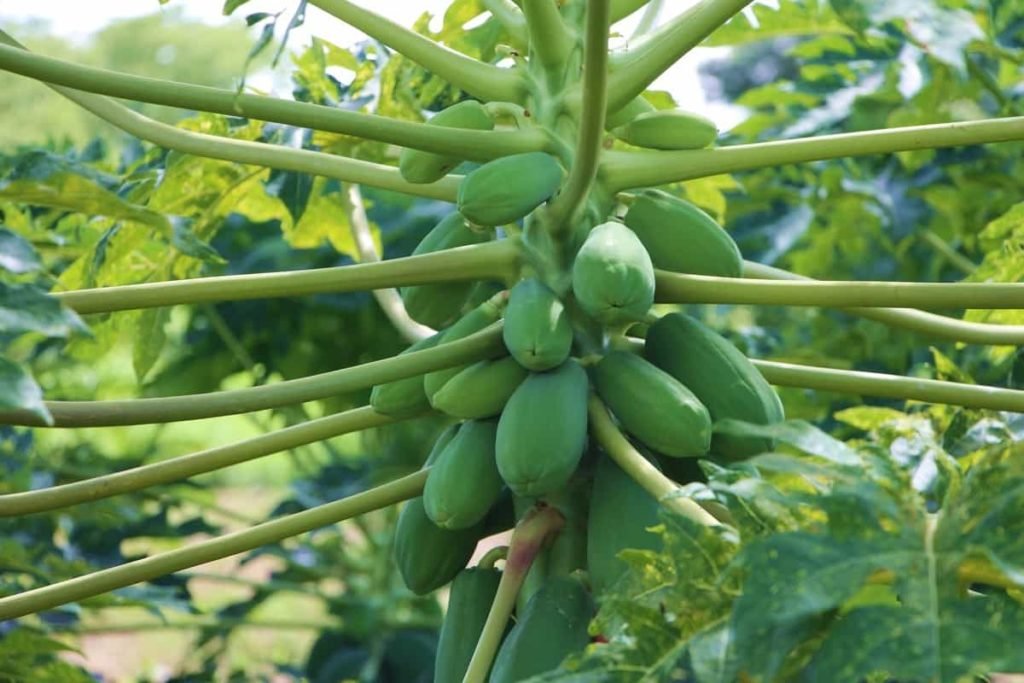
Papaya can be propagated using two main methods:
1. Propagation from Seeds (Most Common)
This is the easiest method. Use seeds from:
- A fully ripe fruit
- A sweet, healthy variety
- A disease-free tree
Choose papayas with deep color and rich aroma—they usually produce vigorous seedlings.
2. Propagation from Cuttings (Less Common but Highly Effective)
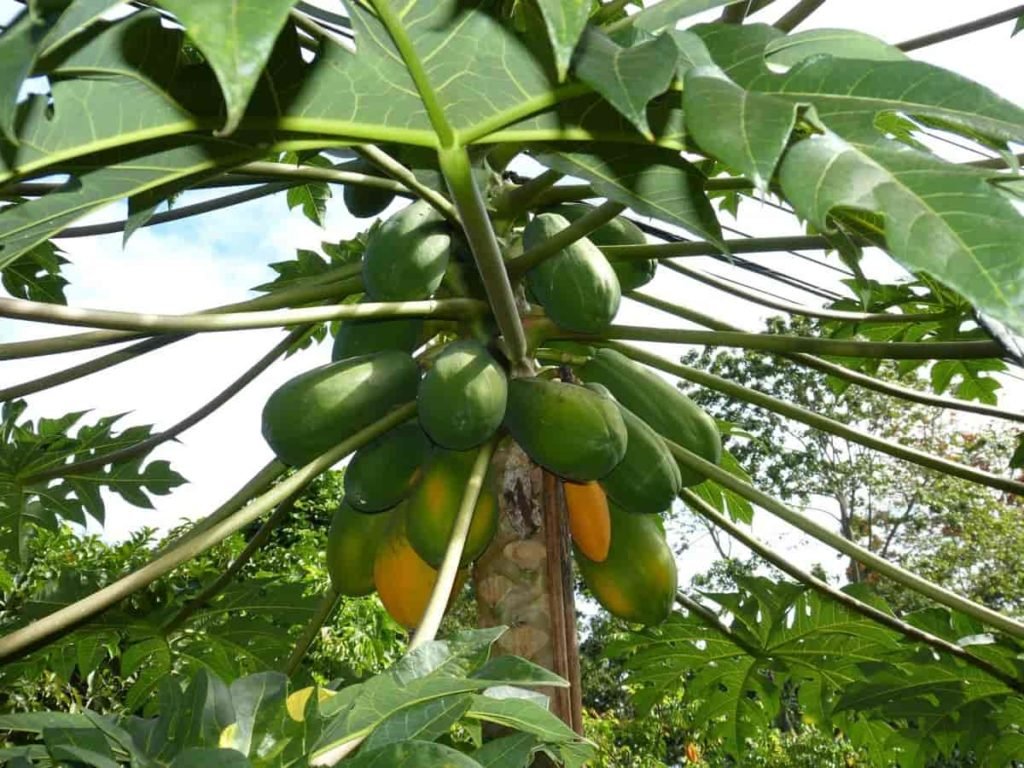
Papaya cuttings root quickly and produce fruits just like their parent tree.
Choose cuttings from:
- A healthy, productive plant
- Young branches (not too woody)
- 30–40 cm long shoots
Both methods work well, but seeds are usually preferred by home gardeners.
🌿 Step 2: Prepare Papaya Seeds Properly
Many people fail to grow papaya because they sow the seeds directly without any preparation. Preparing seeds boosts germination rate significantly.
How to Prepare Papaya Seeds:
✔ Step 1: Wash Off the Gel Coat
The slimy coating around the seed prevents germination.
Wash seeds in water and rub them gently until completely clean.
✔ Step 2: Dry the Seeds
Spread the seeds on paper and let them dry for 24 hours.
This helps them sprout faster.
✔ Step 3: Optional – Scarify the Seeds
Rub the seeds lightly with sandpaper or a rough cloth.
This breaks the tough outer shell and speeds up germination.
✔ Step 4: Soak Seeds for 12 Hours
Soaking activates the embryo and improves success rate.
🌱 Step 3: Prepare the Perfect Soil Mix
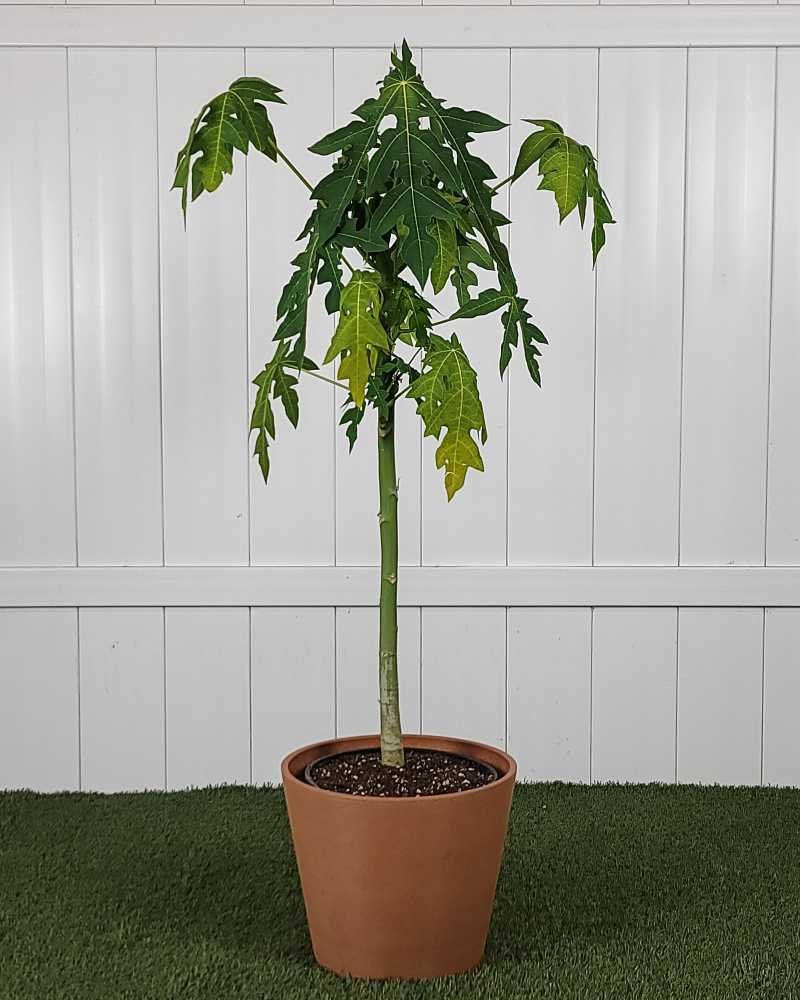
Papaya needs light, airy, fast-draining soil.
Best Soil Mix for Papaya Propagation:
- 40% garden soil
- 30% compost or vermicompost
- 20% sand
- 10% coco peat
This mix ensures:
- Good drainage
- Proper aeration
- Strong root growth
- Faster germination
Papaya hates waterlogging—so choose a pot or ground location with excellent drainage.
🌿 Step 4: Sowing the Seeds Correctly
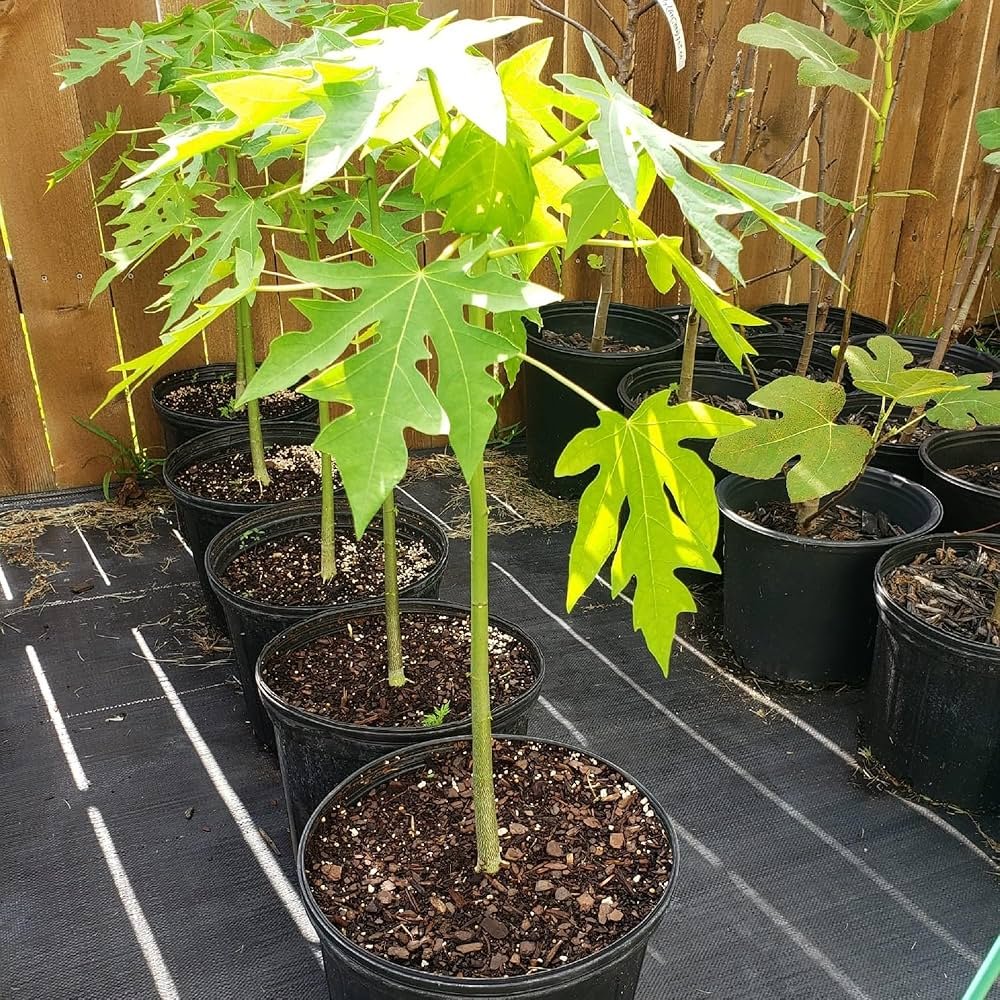
Now that your seeds and soil are ready, here’s how to sow them:
✔ Step 1: Fill a pot or seed tray with your soil mix
Make sure it has good drainage holes.
✔ Step 2: Sow the seeds 1 cm deep
Do not bury them too deep—they may rot.
✔ Step 3: Space seeds well
Papaya roots grow fast, so avoid overcrowding.
✔ Step 4: Water lightly
Moisten the soil without making it soggy.
✔ Step 5: Keep the pot in partial shade
Seeds germinate better in warm, indirect light.
🌱 Germination Time:
Papaya seeds sprout in 10–21 days, depending on temperature and seed quality.
🌴 Step 5: Transplanting Papaya Seedlings
Once the seedlings are 3–4 inches tall and have 4–5 true leaves, you can transplant them.
When to Transplant:
- When the roots are strong
- When seedlings no longer bend easily
- Preferably during early morning or late afternoon
How to Transplant:
- Dig a small hole in your garden or large pot (15–18 inches deep).
- Mix compost into the planting hole.
- Place the seedling gently without disturbing roots.
- Cover with soil and water thoroughly.
- Keep shaded for 2 days before introducing to full sunlight.
Important Tip:
Papaya grows best when 3–4 seedlings are planted together.
This increases the chances of:
- Having at least one female plant (fruit-bearing)
- Stronger overall production
- Better pollination
Later, remove the weak plants and keep the healthiest one.
🌿 Propagating Papaya from Cuttings (Fast & Reliable)
Cuttings give you a clone of the parent tree, ensuring the same fruit size, sweetness, and yield.
How to Propagate Papaya from Cuttings:
- Take a 30–40 cm long softwood branch.
- Remove all the leaves except the top 2.
- Dip the cut end into rooting hormone or honey.
- Plant the cutting 6–8 inches deep in a sandy potting mix.
- Water lightly.
- Cover with a plastic bag to maintain humidity.
Rooting Time:
Cuttings root in 3–5 weeks.
After rooting, transplant like a regular papaya seedling.
🌞 Step 6: Care for Your New Papaya Plants
Papaya trees grow extremely fast when cared for properly.
✔ Sunlight
Papaya loves sun—give it 6–8 hours of direct sunlight daily.
✔ Watering
Keep the soil moist but never waterlogged.
Overwatering causes root rot quickly.
✔ Fertilizing
Feed every 20–30 days with:
- Compost
- Neem cake
- Banana peel fertilizer
- Seaweed liquid fertilizer
- Cow dung manure
Papaya is a heavy feeder—rich nutrition means faster growth and bigger fruits.
✔ Mulching
Use dry leaves, straw, or coco husk to retain soil moisture.
✔ Weed Control
Keep the base weed-free for maximum growth.
🌼 Step 7: Identifying Male, Female & Hermaphrodite Plants
Papaya plants can be:
- Male – produces flowers, no fruits
- Female – produces fruits
- Hermaphrodite – produces fruits with perfect shape
How to Identify Them:
✔ Male flowers: Long stems, clustered
✔ Female flowers: Large, single, close to trunk
✔ Hermaphrodite flowers: Long and tubular, perfect for fruit production
If you want maximum yield, keep female or hermaphrodite plants.
🌱 Step 8: When Will Your Papaya Tree Bear Fruit?
Papaya is one of the fastest-growing fruit trees.
Fruit Production Timeline:
- Seedlings: 8–12 months
- Cuttings: 6–8 months
Once it starts fruiting, a single papaya tree can give 30–80 fruits per year!
🍃 Common Problems & Solutions
1. Yellow Leaves
Often caused by overwatering.
✔ Reduce watering and improve drainage.
2. Stem Rot
Caused by fungus.
✔ Add neem cake and avoid water near the trunk.
3. Poor Fruit Setting
Lack of pollination.
✔ Plant multiple papayas together.
4. Slow Growth
Nutrient deficiency.
✔ Add compost and potassium-rich fertilizers.
🌿 Final Thoughts
Propagating papaya trees is one of the easiest and most rewarding gardening projects you can start. Whether you use seeds or cuttings, the process is simple, fast, and highly successful. With just a little care and the right environment, your papaya plants will thrive, grow rapidly, and begin producing sweet, delicious fruits in less than a year.
Papaya propagation truly is a beginner-friendly method—and once you try it, you’ll want to grow papaya again and again!