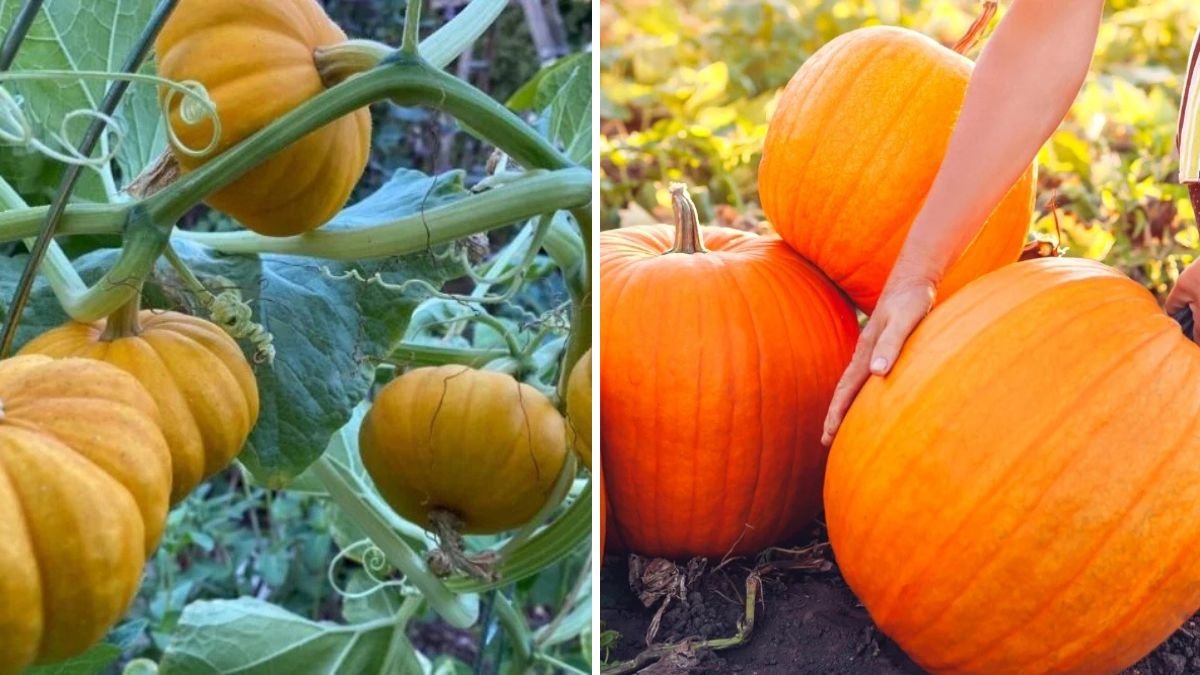
Growing pumpkins is a fun and rewarding activity, but cultivating giant pumpkins—the kind that weigh hundreds of pounds—takes a mix of science, strategy, and a little gardening magic. Whether you’re aiming to impress at your local fair, add a stunning centerpiece to your garden, or simply challenge yourself, growing giant pumpkins is an experience unlike any other.
This comprehensive guide will take you through the science, methods, and secrets behind growing these monstrous fruits. You’ll learn about the best seeds, soil preparation, watering, feeding, pruning, and environmental factors that contribute to record-breaking pumpkin growth.
🎃 Why Grow Giant Pumpkins?
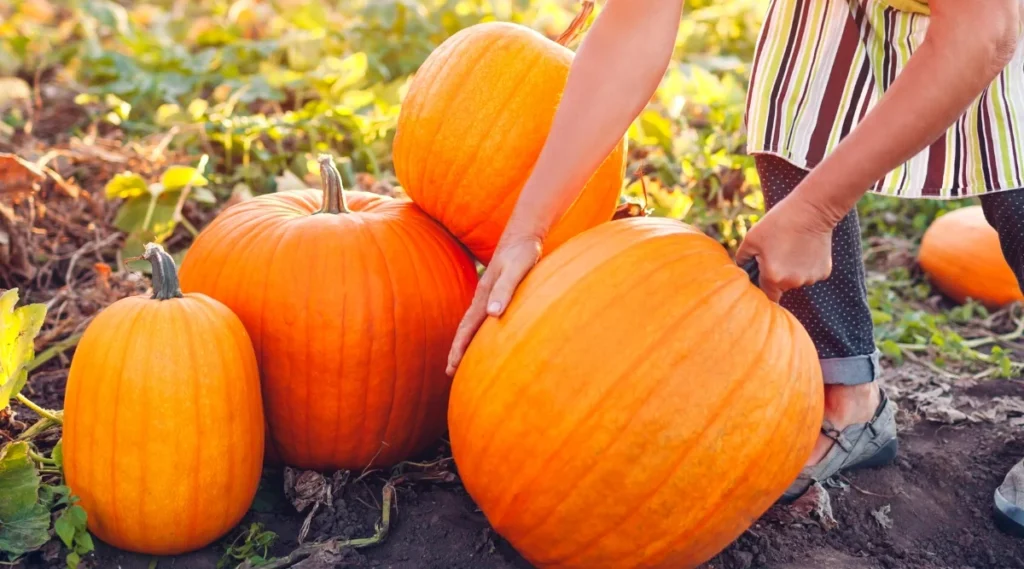
Giant pumpkins are more than just impressive in size—they are the result of precise horticulture practices and careful attention. Here’s why gardeners attempt them:
1. Fascinating Growth Science
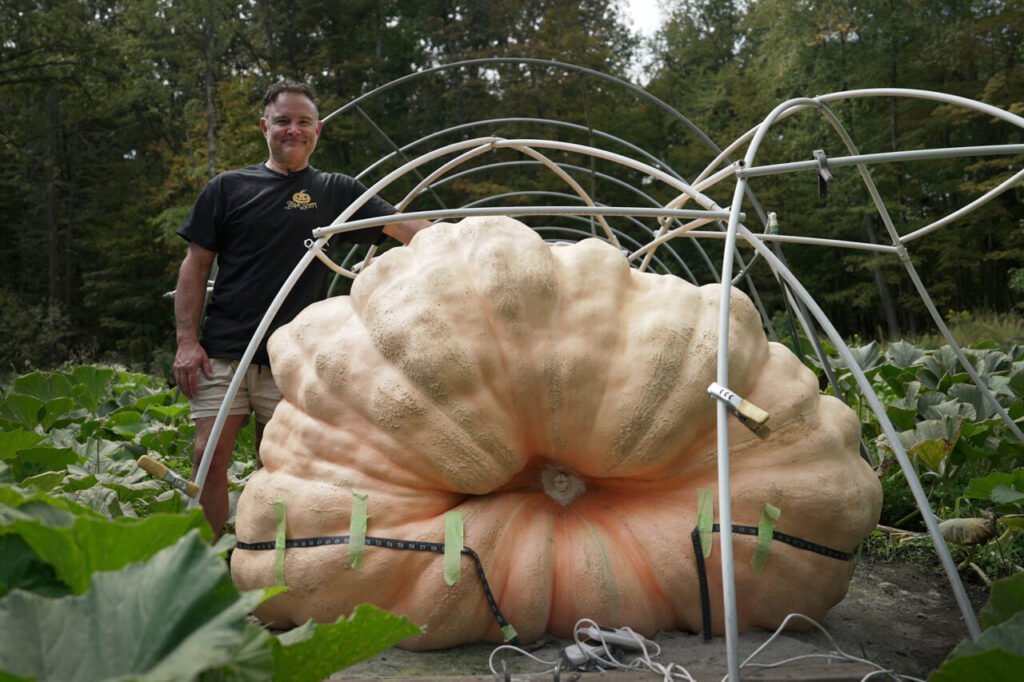
Pumpkins are some of the fastest-growing fruits on the planet. Under ideal conditions, they can gain 50–100 pounds in a few weeks! Understanding this growth is a fun application of plant science.
2. Competition & Community
Pumpkin competitions, fairs, and exhibitions reward growers with prizes and recognition. Growing giant pumpkins can connect you with a community of enthusiasts.
3. Culinary & Decorative Value
While many giant pumpkins aren’t ideal for eating due to fibrous flesh, they’re perfect for autumn displays, Halloween carvings, and even seed harvesting.
4. Personal Challenge
Growing a giant pumpkin is an exciting test of patience, skill, and knowledge, rewarding gardeners with immense satisfaction.
🌱 Step 1: Choose the Right Seeds
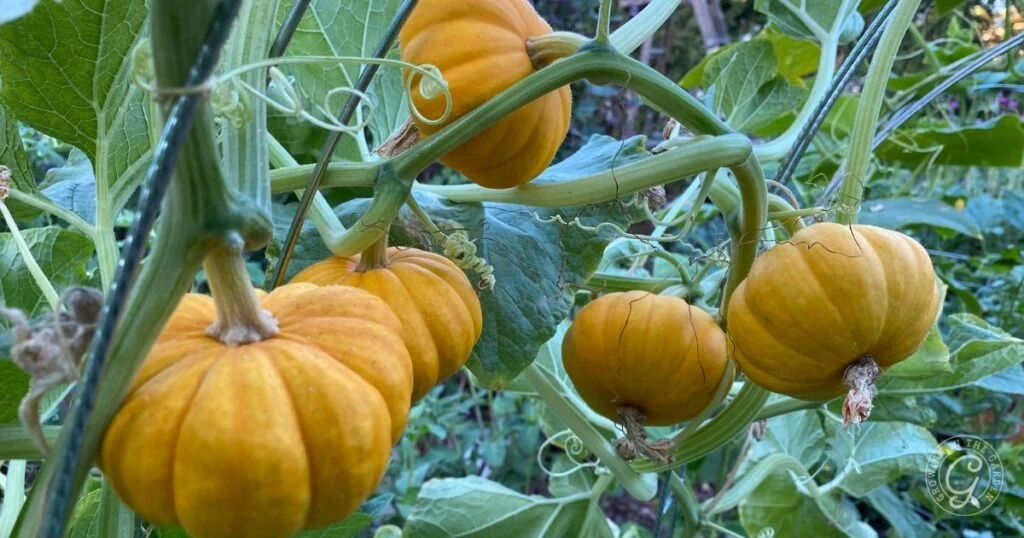
The foundation of a giant pumpkin is genetics. Not all pumpkin seeds produce massive fruits.
Popular Giant Pumpkin Varieties:
- Atlantic Giant
- Big Max
- Prizewinner
- Howden
Tips for Selecting Seeds:
- Buy from reputable suppliers who specialize in giant varieties.
- Look for seeds from record-holding pumpkins.
- Choose seeds from healthy, vigorous parent plants.
The right seed sets the stage for all the hard work that follows.
🌿 Step 2: Soil Preparation – The Science of Nutrition
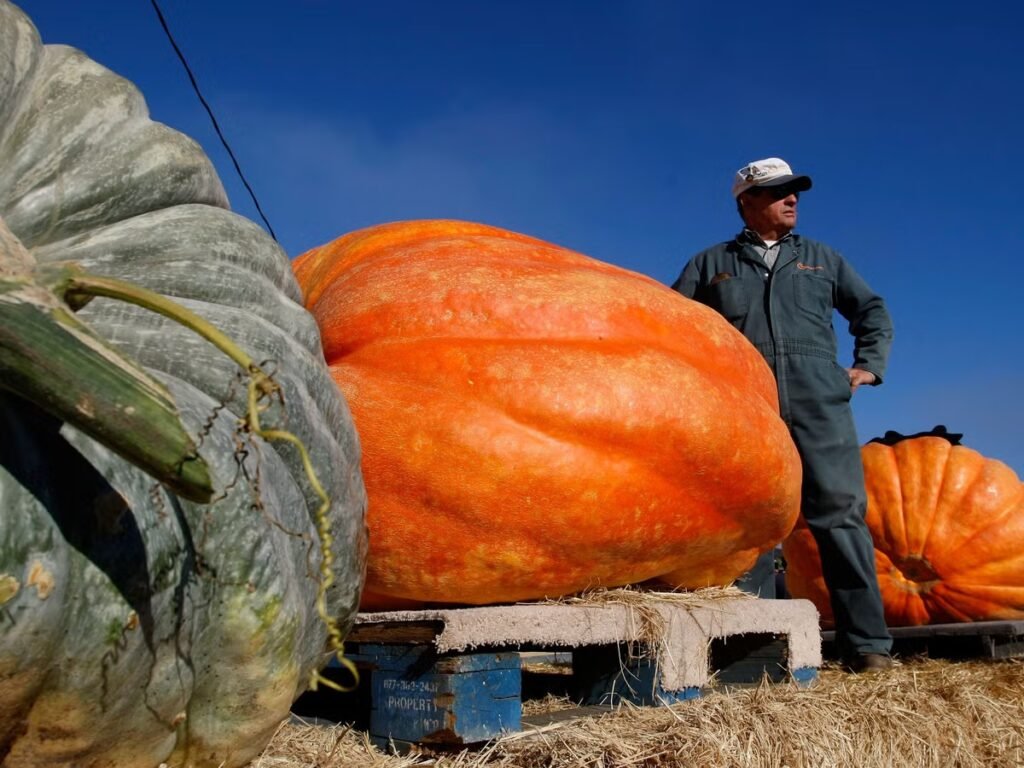
Giant pumpkins thrive in nutrient-rich, well-draining soil. Their rapid growth demands an abundance of nutrients, water, and air around the roots.
Ideal Soil Composition:
- Loamy soil with organic matter
- Slightly acidic to neutral pH (6.0–6.8)
- High levels of nitrogen, phosphorus, potassium (NPK)
Soil Preparation Tips:
- Deep Digging: Till the soil at least 12–18 inches to encourage strong root development.
- Compost & Manure: Incorporate well-rotted compost or cow manure to boost organic content.
- Soil Testing: Check pH and nutrient levels, adjusting with lime or sulfur if needed.
- Raised Mounds: Create mounds or hills to improve drainage and warmth around the roots.
Healthy soil is like a well-prepared track—it allows the pumpkin to grow at its maximum speed.
💧 Step 3: Planting & Germination
Giant pumpkin seeds require warm soil for germination.
Planting Tips:
- Start seeds indoors 3–4 weeks before the last frost date.
- Use peat pots or small containers with rich seed-starting mix.
- Keep soil moist but not waterlogged.
- Maintain temperature around 21–27°C (70–80°F).
Transplanting:
- Transplant seedlings when 2–3 true leaves appear.
- Harden off by gradually exposing them to outdoor conditions.
- Plant on mounds with 3–4 feet spacing between hills to allow sprawling vines.
🌞 Step 4: Sunlight & Environment
Giant pumpkins are sun-loving plants. They need:
- Full sunlight: At least 6–8 hours per day.
- Warm temperatures: Nighttime temperatures above 15°C are ideal.
- Shelter from wind: Strong wind can damage sprawling vines and delicate stems.
Environmental conditions directly affect fruit size, growth rate, and health.
🍃 Step 5: Watering – The Science of Hydration
Pumpkins are over 90% water, making consistent watering crucial for size and health.
Watering Guidelines:
- Deep, steady watering once or twice a week.
- Avoid wetting leaves to prevent fungal diseases.
- Mulch around the base to retain moisture and regulate soil temperature.
- Use drip irrigation if possible for efficient water delivery.
Uneven watering can cause blossom-end rot or stunted growth.
🌱 Step 6: Fertilizing for Maximum Growth
Giant pumpkins are heavy feeders. Regular nutrition ensures explosive growth.
Recommended Fertilization Schedule:
- Early Growth: High nitrogen fertilizer to boost leaf and vine development.
- Flowering Stage: Switch to phosphorus and potassium-rich fertilizers to support flowering and fruit set.
- Fruit Development: High potassium fertilizers to maximize fruit size and sweetness.
Organic options like fish emulsion, compost tea, and seaweed extract can also enhance growth.
✂ Step 7: Pruning & Vine Management
Controlling vine growth is a key factor in giant pumpkin success.
Vine Management Tips:
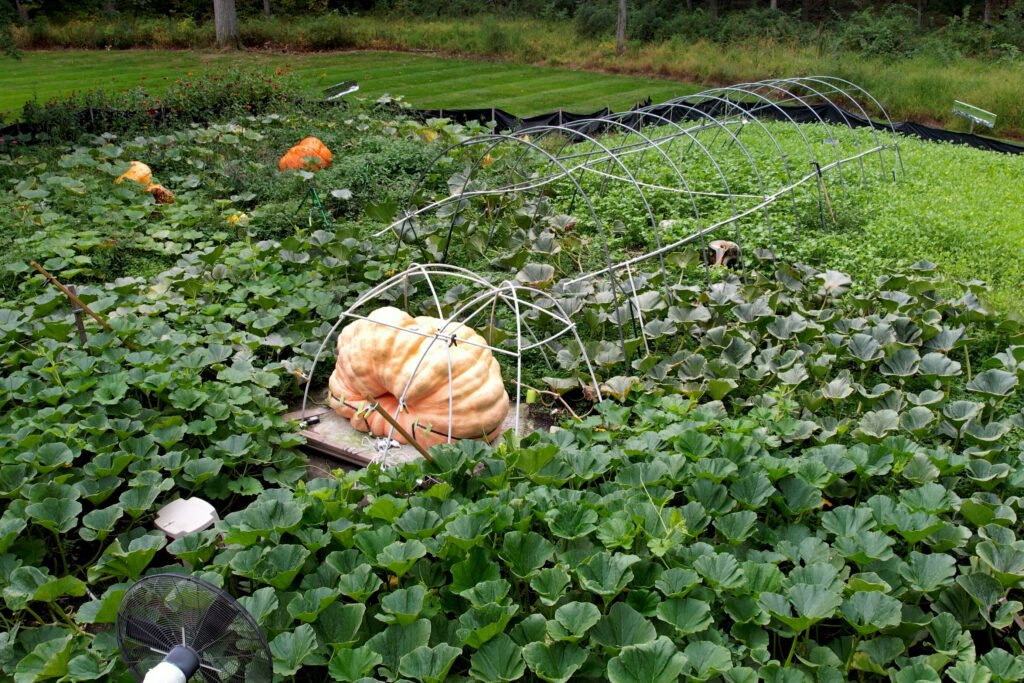
- Limit the number of fruits per plant (ideally one per vine) to focus all energy on one giant pumpkin.
- Train vines along a straight path to prevent tangling.
- Pinch side shoots to encourage nutrient allocation to the main vine.
- Remove damaged or diseased leaves promptly.
Pruning allows the plant to focus its energy and resources, helping the pumpkin reach record-breaking sizes.
🌸 Step 8: Flower Pollination
Pollination determines fruit development.
Tips for Effective Pollination:
- Encourage bees or hand-pollinate flowers with a brush.
- Identify male and female flowers:
- Male: Long stem, clustered flowers
- Female: Swollen base (future fruit), short stem
- Early pollination ensures a stronger fruit set.
🎃 Step 9: Supporting the Growing Pumpkin
As the fruit grows, it becomes heavy and vulnerable.
Support Tips:
- Place a soft bed of straw or sand under the pumpkin to prevent rot and bruising.
- Avoid moving the pumpkin too much—large fruits can crack.
- Shade the fruit if temperatures are very high to prevent sunburn.
🌿 Step 10: Harvesting Your Giant Pumpkin
Giant pumpkins are typically ready for harvest in 90–120 days after transplanting.
Harvest Signs:
- Skin color is fully developed.
- Stem begins to harden and dry.
- Fruit sounds hollow when tapped lightly.
Harvest Technique:
- Use a sharp knife or saw to cut the stem.
- Lift carefully with assistance or use a dolly if extremely large.
- Avoid dropping—these pumpkins are delicate despite their size.
🌱 Common Problems & Solutions
1. Powdery Mildew
Solution: Use fungicidal sprays or neem oil. Keep leaves dry.
2. Aphids & Pests
Solution: Introduce ladybugs or apply mild insecticidal soap.
3. Blossom-End Rot
Solution: Ensure consistent watering and adequate calcium in the soil.
4. Cracking Fruit
Solution: Limit rapid watering spikes; maintain steady moisture.
🌞 Expert Tips for Record-Breaking Pumpkins
- Focus on one fruit per plant for maximum size.
- Use compost-rich, deeply dug soil for strong roots.
- Monitor and adjust water and fertilizer regularly.
- Protect from pests and harsh sun.
- Be patient—giant pumpkins are a marathon, not a sprint.
🌿 Final Thoughts
Growing giant pumpkins is a perfect blend of gardening skill, scientific understanding, and patience. Every step—from seed selection to soil preparation, watering, pruning, and fruit care—contributes to the final result: a giant, awe-inspiring pumpkin that can break records and amaze friends and family.
Whether you’re an ambitious gardener aiming for a state fair prize or just want a show-stopping autumn centerpiece, following these scientific methods can help you grow pumpkins of remarkable size and health. With dedication, care, and attention to detail, the next giant pumpkin could be yours!