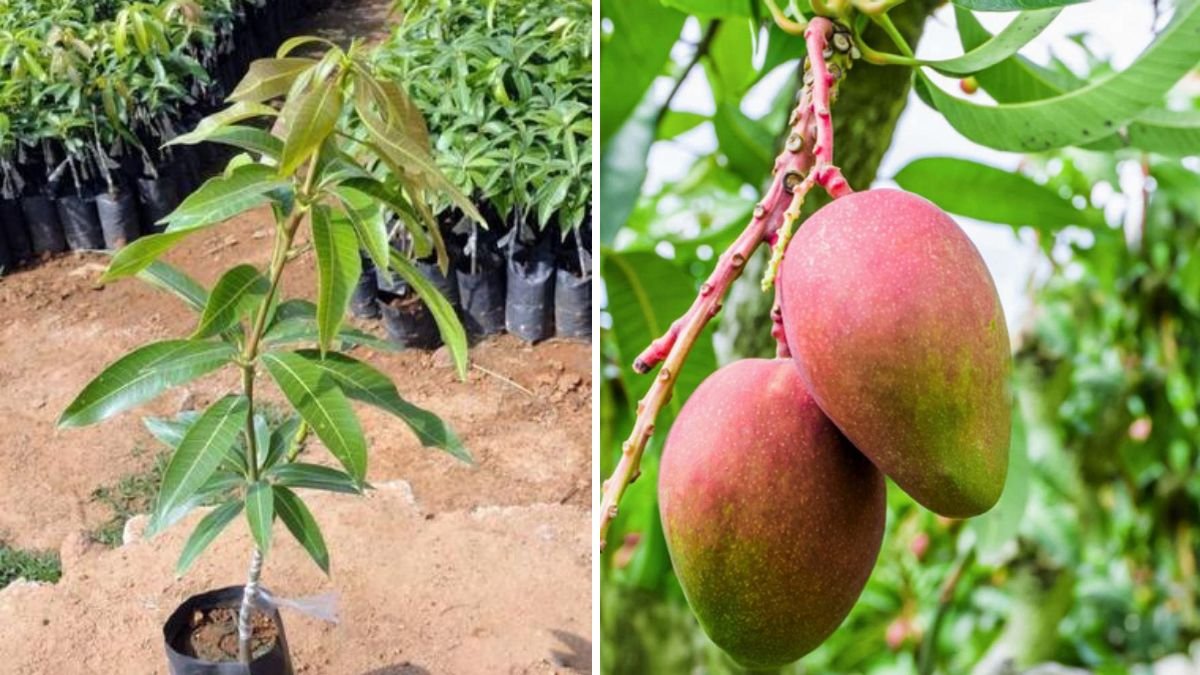
The mango—known as the “King of Fruits”—is one of the most beloved fruit trees in tropical and subtropical regions. But growing mangoes from seeds can take 5–10 years before fruiting, and even then, the fruit quality may not match the parent tree.
That’s where grafting comes in.
Grafting lets you combine the strong root system of one mango plant with the superior fruiting ability of another. The result?
✔ A stronger tree
✔ Faster maturity
✔ Earlier fruiting
✔ Consistent, high-quality mangoes
In this comprehensive guide, you’ll learn the best mango grafting techniques, when to graft, how to graft, and secrets that professionals use to increase success rates.
🌱 Why Grafting Mango Trees Is Better Than Growing from Seeds

Before we dive into techniques, it’s important to understand why grafting is the preferred method.
1. Faster Fruiting
Seed-grown mango trees may take many years to mature.
A grafted mango tree can start flowering in 2–3 years.
2. Guaranteed Variety
Seeds don’t always grow true to type.
Grafting ensures you get the exact fruit variety you want, such as:
- Alphonso
- Kesar
- Banganapalli
- Himsagar
- Langra
- Totapuri
3. Stronger Roots
Using a hardy rootstock improves:
- Disease resistance
- Drought tolerance
- Growth speed
4. Smaller, More Manageable Trees
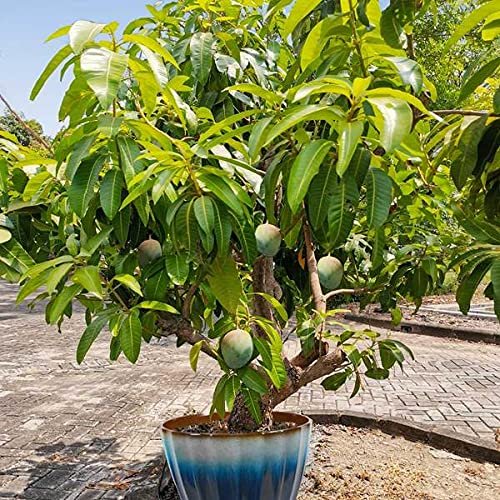
Grafted trees stay compact and are ideal for home gardens or pots.
📅 Best Time to Graft Mango Trees
Timing is crucial.
Ideal Season:
Late winter to early summer
(When the tree is actively growing)
This period ensures:
✔ Good sap flow
✔ Faster healing
✔ Higher success rates
Avoid grafting during:
❌ Heavy rains
❌ Winter dormancy
❌ Extreme heat
🔧 Tools & Materials You Need

To graft mango trees successfully, prepare the following:
- Sharp grafting knife
- Sterilized pruning shears
- Grafting tape or budding tape
- Rubber strips
- Poly bag or plastic sheet
- Healthy rootstock (8–12 months old)
- Mature scion wood (from the desired variety)
Clean tools reduce the risk of infection and increase success.
🍃 Choosing the Right Rootstock
The rootstock is the base plant on which you graft.
Choose a rootstock that is:
✔ 1–1.5 cm thick
✔ Free of pests or disease
✔ 1 year old
✔ Well-watered and actively growing
Varieties like desi mango or wild mango make excellent rootstocks due to strong adaptability.
🌿 Choosing the Best Scion Wood

The scion is a branch from the mango variety you want to grow.
Make sure your scion is:
✔ 1-year-old wood
✔ Pencil-thick
✔ Has 2–3 healthy buds
✔ Is disease-free
✔ Taken from a fruiting tree
✔ Fresh and moist (don’t dry it in the sun)
Cut the scion early morning and graft the same day.
🌟 Top 4 Best Mango Grafting Techniques
Here are the most successful mango grafting methods used by professionals and nurseries.
1️⃣ Cleft Grafting (Best for Beginners)
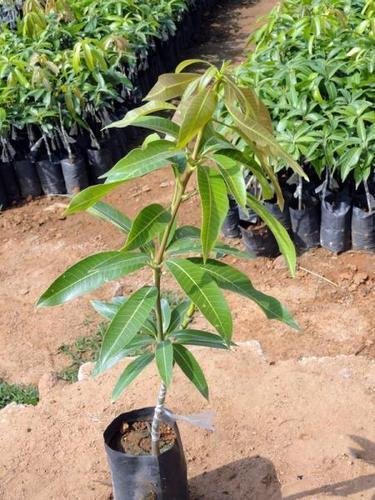
This is the simplest and most widely used mango grafting method.
How to Do Cleft Grafting:
- Cut the top of the rootstock straight across.
- Make a vertical split (3–4 cm deep) in the center.
- Prepare a wedge-shaped scion (like a “V”).
- Insert the scion into the cleft so the cambium layers align.
- Wrap tightly with grafting tape.
- Cover with a plastic bag to maintain humidity.
Success Rate: ⭐⭐⭐⭐
Very high—perfect for home gardeners.
2️⃣ Veneer Grafting (Most Professional Method)
Nurseries prefer this technique because it has an excellent success rate.
Steps for Veneer Grafting:
- Select a smooth area on the rootstock.
- Make a downward slanted cut (4 cm long).
- Make a small notch at the bottom of the first cut.
- Shape the scion with a matching slanted cut.
- Fit the scion onto the rootstock surface.
- Wrap tightly with budding tape.
Success Rate: ⭐⭐⭐⭐⭐
Excellent for producing high-quality grafted trees.
3️⃣ Approach Grafting (Perfect for Beginners with Living Scion)
Also known as inarch grafting.
This method is great when you want to graft young seedlings directly to an existing tree or when the scion cannot be cut off immediately.
Steps:
- Place a potted seedling (rootstock) close to the mother tree.
- Make matching slanted cuts on both rootstock and scion branch.
- Join the cut surfaces together.
- Tie firmly with tape or rope.
- After 6–8 weeks, when the graft is successful, cut the top of the rootstock and bottom of the scion.
Success Rate: ⭐⭐⭐⭐
Very stable and easy.
4️⃣ Softwood Grafting (Fastest Growing Result)
Many professionals use this during early summer.
Steps:
- Cut the growing tip of the rootstock.
- Insert a scion with 1–2 buds into a slit at the top.
- Wrap the graft tightly.
- Cover with a polybag.
Success Rate: ⭐⭐⭐⭐
Works best when sap flow is strong.
🛠 Important Tips to Increase Grafting Success
✔ 1. Align the Cambium Perfectly
The cambium (green layer under bark) must touch on at least one side.
✔ 2. Use Fresh Scions
Dry scions fail easily.
✔ 3. Keep the Graft Moist
Cover with a plastic bag for 2–4 weeks.
✔ 4. Shade the Plant
Direct sunlight can dry the graft.
✔ 5. Remove New Shoots
Cut off unwanted shoots below the graft union.
✔ 6. Avoid Overwatering
Keep soil moist, not soggy.
✔ 7. Check the Graft After 2 Weeks
Successful grafts show fresh buds swelling.
🌳 Aftercare: Helping Your Grafted Mango Grow Stronger
Once the graft is healed, follow these steps:
Fertilizing
Use a balanced fertilizer once every 30 days:
- Compost
- Cow dung
- NPK 10-26-26
- Seaweed extract
Pruning
Shape the young tree to encourage branching and stronger growth.
Mulching
Add dry leaves or wood chips to keep soil moist.
Pest Control
Watch out for:
- Mealybugs
- Scale insects
- Aphids
Use organic neem oil spray every 15 days.
🍈 When Will a Grafted Mango Tree Start Fruiting?
Grafted mango trees fruit much faster than seed-grown ones.
Fruiting Timeline:
- 2–3 years: Flowering begins
- 3–4 years: First harvest
- 5+ years: Heavy fruit production
Proper care and nutrition accelerate fruiting.
🌟 Final Thoughts: Grafting Is the Secret to Better Mangoes
If you want a mango tree that produces reliably, grows quickly, and gives you your favorite variety, grafting is the best method. By using the techniques above—cleft, veneer, approach, or softwood grafting—you can grow a strong, healthy mango tree that produces delicious fruit year after year.
Whether you’re a beginner or an experienced gardener, grafting mangoes is a skill worth mastering. With a few tools, some patience, and the right technique, you’ll soon have your own thriving mango orchard at home.