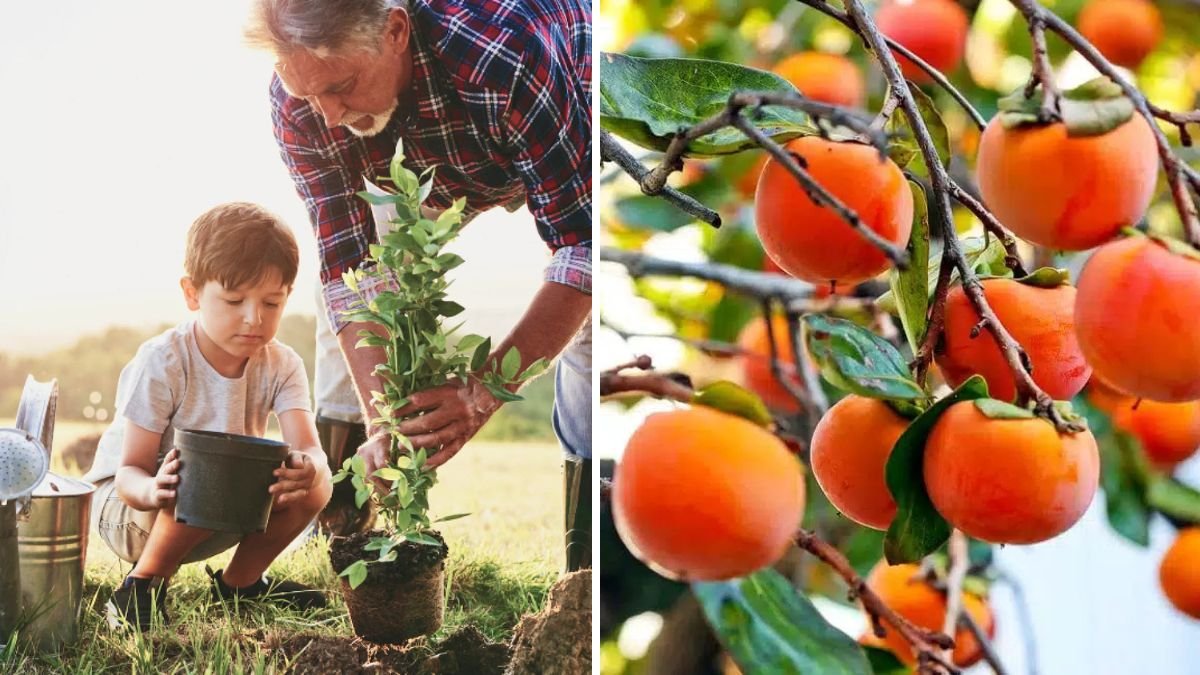
Growing your own fruit trees is one of the most rewarding experiences for any gardener. Imagine stepping into your yard, balcony, or rooftop and picking fresh mangoes, guavas, apples, bananas, or citrus fruits straight from the tree. With the right propagation techniques, you can start new fruit trees for free—from cuttings, seeds, grafting, layering, or suckers—and grow a thriving mini orchard right at home.
In this complete 1200-word guide, you’ll learn how to grow your own fruit trees from scratch, how to choose the best propagation method, how to care for them, and how to ensure they grow fast, strong, and fruitful.
🍎 Introduction: Why You Should Grow Your Own Fruit Trees
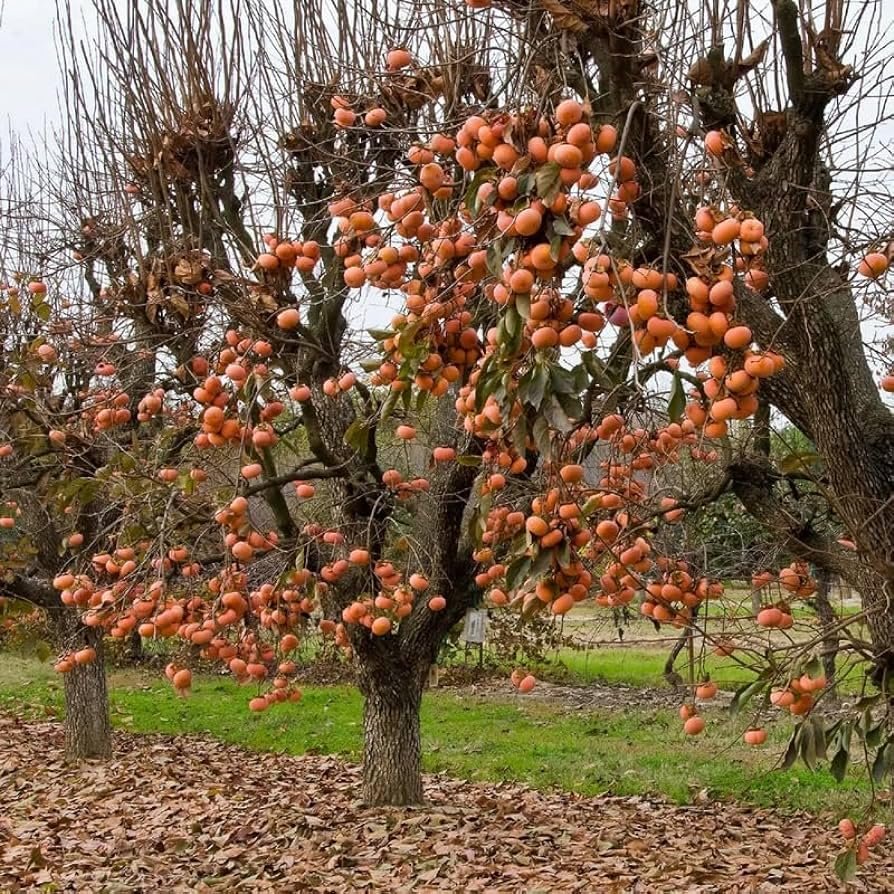
Fruit trees offer a lifetime of benefits—delicious harvests, shade, greenery, wildlife support, and even improved air quality. But many gardeners believe that fruit trees are difficult to grow or require large space. The truth is: anyone can grow fruit trees, even in pots. With proper propagation techniques, you can start multiple healthy fruit plants without spending much money.
Growing your own fruit trees also guarantees:
- Organic, chemical-free fruits
- Long-term harvests for years
- A beautiful and productive garden
- Sustainability and self-sufficiency
And propagation makes the entire process easy, fun, and cost-effective.
🌱 Understanding Fruit Tree Propagation
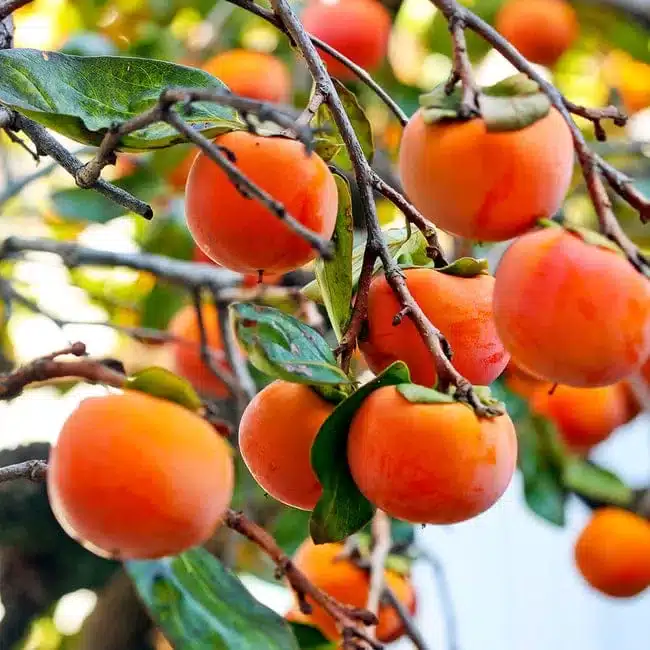
Propagation means creating new plants from existing ones. There are several methods, and each has its advantages.
The Most Common Ways to Propagate Fruit Trees
- Seeds (Easy but slower fruiting)
- Cuttings (Fast-growing for many fruit types)
- Grafting (Best for quality and fast fruiting)
- Air layering (Great for guava, mango, litchi, etc.)
- Root suckers (For banana, pomegranate, mulberry)
Choosing the right method depends on the fruit tree you’re growing.
🥭 1. Growing Fruit Trees from Seeds
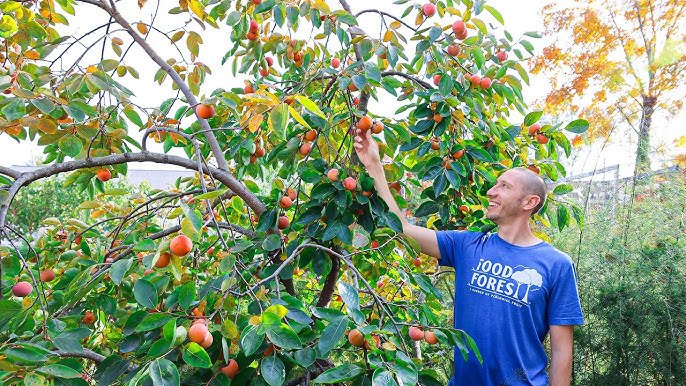
Seeds are the most natural method—but not always the most reliable. Seed-grown trees often take longer to fruit, and the quality may vary.
Best Fruits to Grow from Seeds
- Papaya
- Lemon
- Avocado
- Apple (but may not come true to type)
- Guava
- Pomegranate
- Custard apple
How to Grow Fruit Trees from Seeds
- Clean the seeds properly
- Soak hard seeds (like lemon or mango) in water
- Prepare a pot with well-draining soil
- Plant seeds 1–2 cm deep
- Keep moist but not waterlogged
- Place in bright but indirect sunlight
Seeds usually sprout within 7–30 days depending on the fruit.
Advantages
- Free
- Simple
- Good for beginners
Disadvantages
- Long waiting time
- Unpredictable fruit quality
🌿 2. Growing Fruit Trees from Cuttings
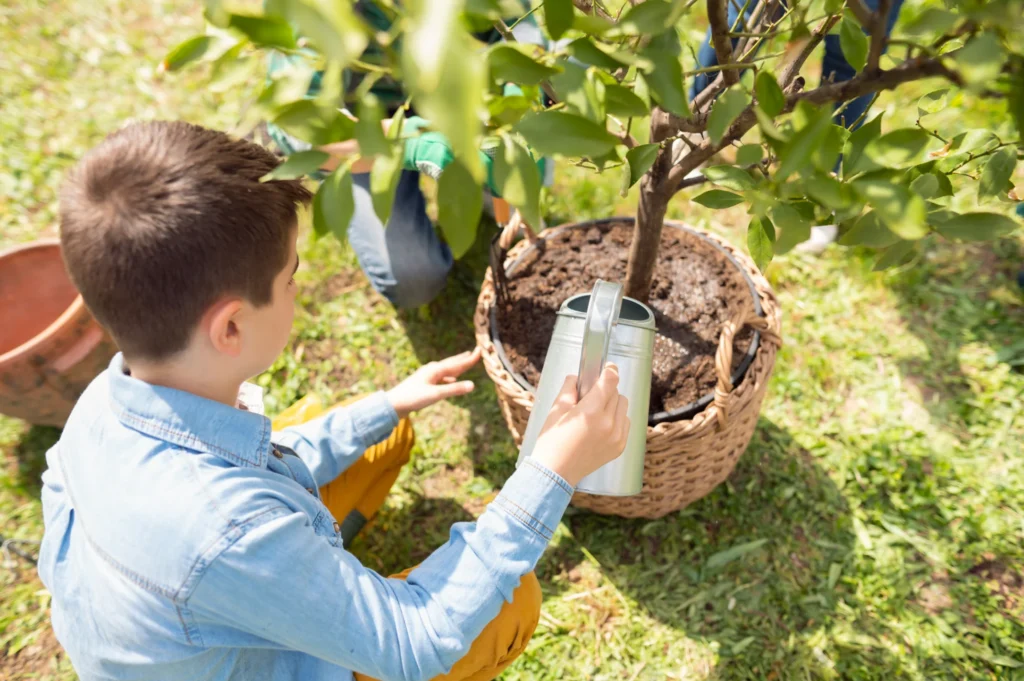
Cuttings are one of the fastest ways to grow new fruit trees. They give genetically identical plants, ensuring fruit quality remains the same.
Best Fruit Trees for Cuttings
- Fig
- Pomegranate
- Mulberry
- Grapes
- Lemon
- Hibiscus (edible roselle)
How to Propagate Using Cuttings
- Select a healthy branch (6–8 inches long)
- Remove lower leaves
- Dip the cut end in rooting hormone
- Plant it in moist, well-drained soil
- Keep in partial shade
- Water lightly until new leaves appear
Cuttings usually root within 2–6 weeks.
Advantages
- Faster fruiting
- Same fruit quality
- Simple and reliable
🌳 3. Propagating Fruit Trees by Grafting

Grafting is the most powerful method for propagating fruit trees. It involves joining a scion (fruiting branch) with a strong rootstock.
Best Fruits for Grafting
- Mango
- Guava
- Citrus (orange, lemon, sweet lime)
- Apple
- Pear
- Plum
- Cherry
Why Grafting Is So Effective
- Strong root systems
- Faster fruiting (2–3 years)
- Better disease resistance
- High-quality fruit production
- Ability to grow multiple varieties on one tree
Basic Steps for Cleft Grafting
- Choose a healthy rootstock
- Cut the top flat and make a vertical slit
- Shape the scion into a wedge
- Insert the scion into the slit
- Wrap tightly with grafting tape
- Keep the graft protected from sunlight and rain
In 2–4 weeks, the graft begins to fuse.
🌱 4. Air Layering: One of the Easiest Propagation Techniques
Air layering involves rooting a branch while it’s still attached to the parent tree.
Best Fruits for Air Layering
- Guava
- Mango
- Litchi
- Lemon
- Pomegranate
- Sapota (chikoo)
Steps for Air Layering
- Select a healthy branch
- Remove 1-inch bark ring (girdling)
- Apply rooting hormone
- Wrap with moist cocopeat or moss
- Cover with plastic
- Keep moist for 3–6 weeks
Once roots develop, cut the branch and plant it.
Advantages
- High success rate
- Faster fruiting than seeds
- Ideal for trees that don’t grow well from cuttings
🍌 5. Propagating Fruit Trees Through Suckers
Some trees naturally produce new shoots from their roots.
Trees That Grow Well from Suckers
- Banana
- Pomegranate
- Mulberry
- Fig
- Some citrus varieties
To use suckers:
- Separate them gently from the mother plant
- Plant them in fresh soil
- Water and provide shade
Suckers are one of the quickest ways to expand your orchard.
🌤️ 6. Ideal Growing Conditions for Fruit Trees
Regardless of how you propagate them, fruit trees need proper conditions to thrive.
Sunlight
6–8 hours of direct sunlight per day
Fruit trees LOVE the sun. No sunlight = no fruit.
Soil
Well-draining soil rich in organic matter.
Mix:
- 40% garden soil
- 30% compost
- 30% sand/cocopeat
Watering
- Water deeply but occasionally
- Do not overwater—fruit trees hate soggy roots
- Mulch to retain moisture
Temperature
Most fruit trees prefer 18–32°C.
Protect from extreme cold or heat.
🍃 7. Feeding and Fertilizing Your Fruit Trees
Fruit trees are heavy feeders.
Best Organic Fertilizers
- Cow dung compost
- Vermicompost
- Mustard cake fertilizer
- Bone meal
- Banana peel fertilizer
- Epsom salt (for magnesium)
Fruiting Fertilizer Schedule
- Early spring: Nitrogen + compost
- Before flowering: Phosphorus
- Fruit-setting stage: Potassium
- Monsoon: Vermicompost
- Winter: Minimal feeding
✂️ 8. Pruning for Strength and Faster Growth
Pruning helps fruit trees focus energy on producing fruit.
Prune:
- Dry branches
- Weak shoots
- Dense interior branches
- Diseased or crossing branches
Prune during late winter for best results.
🐛 9. Pest and Disease Protection
Fruit trees commonly face pests like:
- Aphids
- Mealybugs
- Leaf miners
- Scales
- Fruit flies
Organic Solutions
- Neem oil spray
- Soap water spray
- Sticky traps
- Garlic-chili spray
Healthy trees resist pests naturally—proper care prevents most issues.
🪴 10. Growing Fruit Trees in Pots
Yes! Many fruit trees grow beautifully in containers.
Best Fruits for Pots
- Lemon
- Guava
- Pomegranate
- Fig
- Banana (dwarf)
- Papaya
- Sapota
Pot Size
Start with 12–14 inches
Transfer to 18–24 inches as the plant grows.
🍎 Conclusion: Build Your Own Mini Fruit Orchard
Propagating and growing your own fruit trees is one of the most satisfying gardening adventures. From seeds to grafting, from cuttings to layering—each method allows you to multiply your garden and create a long-lasting supply of fresh, organic fruits.
Whether you have a big backyard or a tiny balcony, you can grow fruit trees successfully. With sunlight, good soil, proper watering, and the right propagation method, your fruit trees will reward you with delicious harvests year after year.