
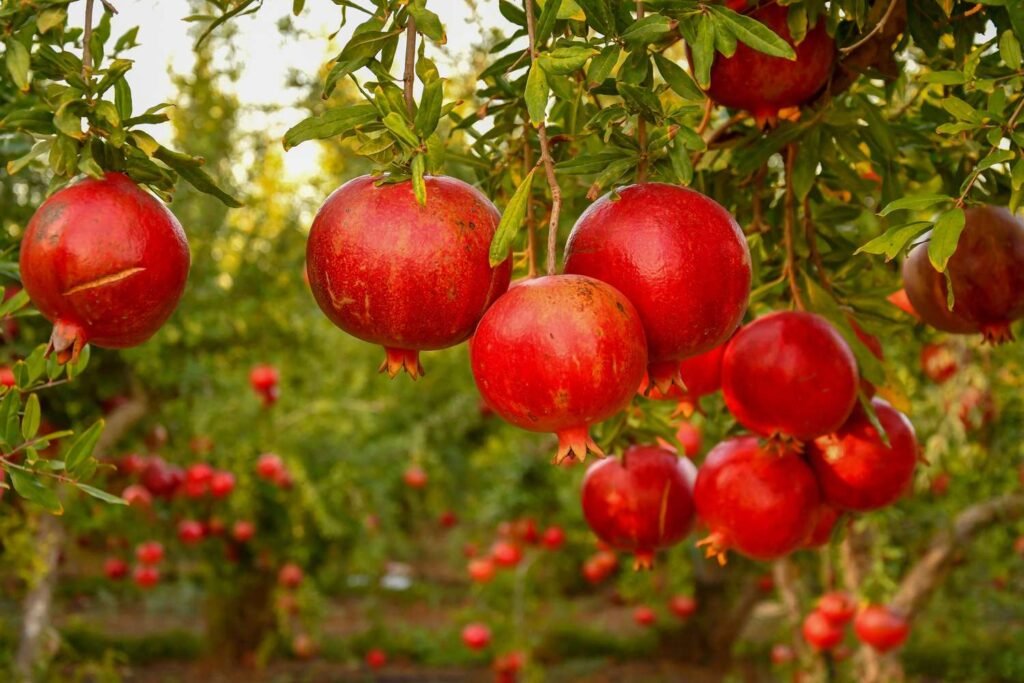
Growing a pomegranate tree is one of the most rewarding experiences a home gardener can enjoy. From its glossy leaves to its vibrant red flowers and jewel-like fruits, the pomegranate tree stands as a symbol of abundance, health, and beauty. Whether you have a big backyard or a small terrace, this hardy and drought-tolerant plant grows amazingly well with minimal effort.
In this complete 1200-word guide, we’ll explore why the pomegranate tree is the most satisfying fruit tree to grow—and how you can successfully cultivate one right at home.
🍎 Why Pomegranate Trees Are So Satisfying to Grow
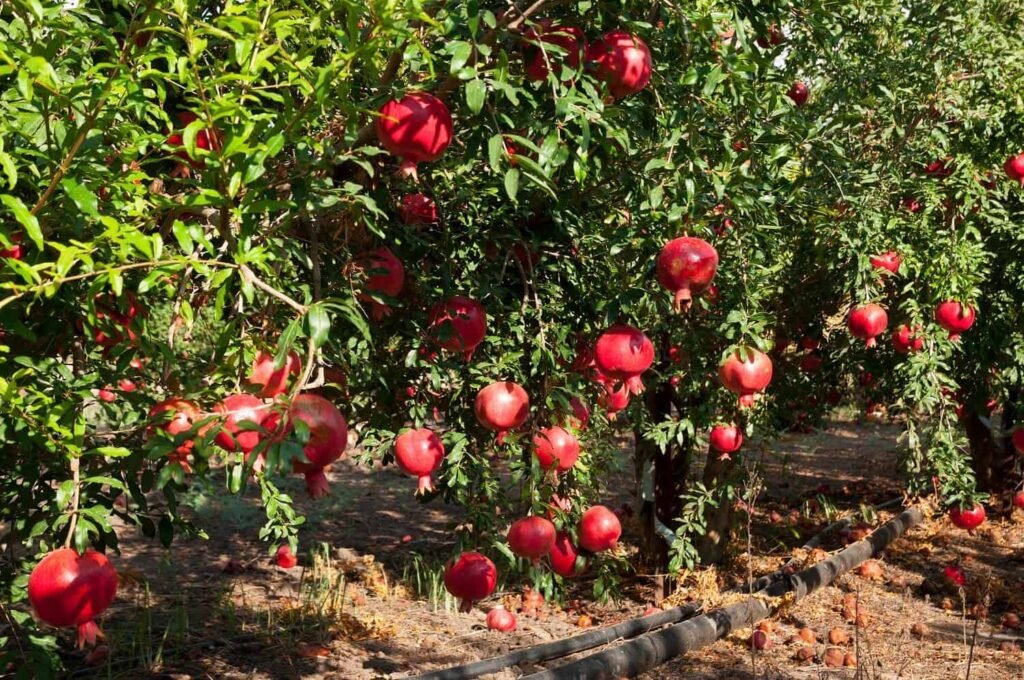
There are many reasons gardeners fall in love with pomegranate trees:
✔ They grow fast and fruit early
Unlike many fruit trees that make you wait years, pomegranates begin flowering and fruiting within 2–3 years, especially grafted varieties.
✔ They thrive in pots or ground
Even a 16–18-inch pot is enough to grow a healthy, fruit-bearing pomegranate plant.
✔ They tolerate heat, drought, and poor soil
This is one of the strongest fruit trees for Indian and tropical climates.
✔ They produce dozens of nutrient-rich fruits
Rich in antioxidants, vitamins, and minerals, pomegranates are known as a “superfood.”
✔ They look stunning
Bright orange-red flowers bloom several times a year, making the tree ornamental as well as productive.
No wonder gardeners call it “the easiest fruit tree for beginners.”
🌱 Step 1: Choosing the Best Pomegranate Plant
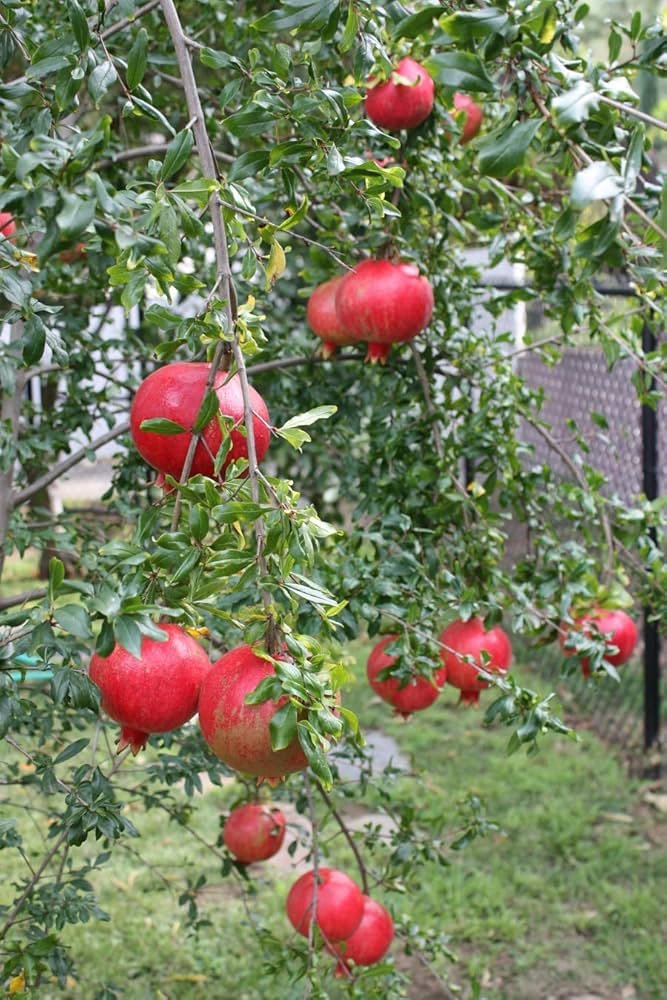
You can start your pomegranate plant in two ways:
Option A: Grow From Seeds (but slow)
- Easy but takes longer (4–5 years to fruit)
- Fruits from seed-grown plants may not match the parent variety
How to grow from seeds:
- Choose fresh seeds from a ripe fruit.
- Rinse away the pulp.
- Dry slightly for 1–2 hours.
- Sow in small pots filled with light soil.
- Keep moist until germination (takes 10–20 days).
Option B: Buy a Grafted Plant (best choice)
This is the recommended method because:
✔ Fruits come in 1–2 years
✔ Better quality fruits
✔ More disease resistance
When selecting a grafted plant:
- Check for a healthy, clean graft joint
- Ensure leaves are bright green
- Avoid plants with black spots or curled leaves
🪴 Step 2: Choosing the Right Pot & Soil Mix
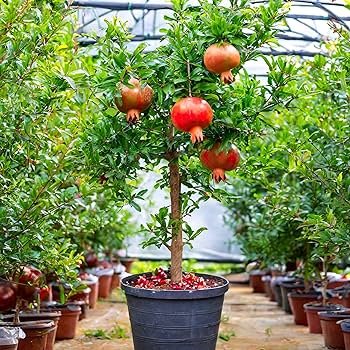
Ideal Pot Size:
- Start with 10–12 inches
- Shift to 16–20 inches once the plant grows
- Ensure multiple drainage holes
Perfect Soil Mix:
Pomegranate trees love well-draining soil. Use:
- 40% garden soil
- 30% compost or cow dung manure
- 20% river sand
- 10% coco peat
Mix in:
- A handful of neem cake
- A handful of bone meal (optional)
This soil mixture encourages faster growth and better fruiting.
🌞 Step 3: Sunlight Requirements
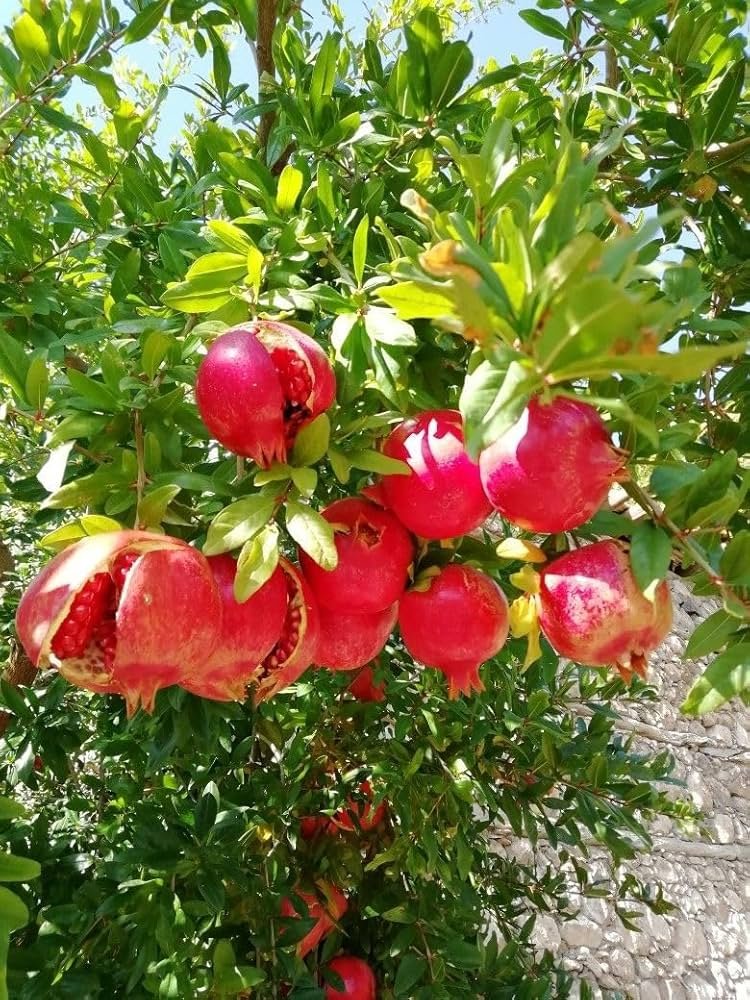
If you want big, sweet, juicy pomegranates, sunlight is the key.
Sunlight Needs:
- 6–8 hours of direct sunlight daily
- More sunlight = more flowers = more fruits
Common mistake:
❌ Keeping the plant in partial shade prevents flowering and fruit development.
If you’re in an apartment, place it on a terrace, balcony, or near a sunny wall.
💧 Step 4: Watering Schedule
Pomegranate trees do not like standing water. They prefer slightly dry conditions.
Watering Guide:
- Summer: Water every 2–3 days
- Winter: Water once a week
- Monsoon: Only water when soil dries
Always check the topsoil—if it feels dry, water; if moist, skip.
Avoid overwatering, or:
- Leaves turn yellow
- Fruit cracking increases
- Roots may rot
🌸 Step 5: Encouraging Flowering and Fruiting
Pomegranate trees bloom several times a year, typically during:
- Spring (March–April)
- Monsoon (July–August)
To support maximum flowering:
Do this:
✔ Provide full sunlight
✔ Reduce watering slightly before flowering
✔ Apply potash-rich fertilizer
✔ Ensure the plant is stress-free
Avoid this:
❌ Moving the pot during flowering
❌ Excess nitrogen (causes leaf growth, not fruits)
❌ Overwatering
🍃 Step 6: Fertilizing for Healthy Growth
Feeding your pomegranate plant correctly is essential for high fruit yield.
Monthly Fertilizer Routine:
Every 30 days:
- Add 2–3 handfuls of vermicompost OR
- 200g dried cow dung manure
Every 45 days:
- 2 tablespoons mustard cake fertilizer (soak in water overnight before use)
Every 60 days:
- Add 1 teaspoon potash OR banana peel powder
Bonus:
Spray seaweed extract or Epsom salt once a month for deeper green leaves and better flowering.
✂️ Step 7: Pruning for Maximum Yield
Pomegranates fruit on new growth, which makes pruning very important.
When to Prune:
- Late winter (January–February)
- After harvesting fruits
How to Prune:
- Remove dry, weak, or broken branches
- Trim the top 20–30% of the plant to encourage side shoots
- Remove suckers growing from the base
Good pruning leads to:
✔ A healthier tree
✔ More flowers
✔ Bigger fruits
🌼 Step 8: Preventing Fruit Drop and Cracking
Fruit drop is common in pomegranates but easily preventable.
Causes of fruit drop:
- Overwatering
- Low sunlight
- Sudden temperature changes
- Lack of nutrients
- Pest attack
Prevent fruit cracking by:
- Regular watering (no long gaps)
- Applying potash
- Mulching the soil
- Avoiding extreme heat exposure
Place a mulch layer (dry leaves, grass, coco peat) to keep roots cool.
🐛 Step 9: Common Pests & Natural Solutions
Pomegranate plants attract some pests, but they can be controlled easily.
Common Pests:
- Aphids
- Mealybugs
- Fruit borers
- Whiteflies
Organic Pest Control:
Neem Oil Spray:
- 5 ml neem oil
- 1 liter water
- Few drops of liquid soap
Spray once every 7–10 days.
Garlic + Chili Spray:
Repels borers and leaf insects.
Sticky Yellow Traps:
Perfect for whiteflies.
🍎 Step 10: Harvesting Your Homegrown Pomegranates
A pomegranate fruit is ready to harvest when:
✔ The skin turns deep red or pink
✔ The fruit becomes heavy
✔ The outer skin becomes slightly hard
✔ A metallic sound is produced when tapped
Use a clean cutter or pruning shears to prevent stem damage.
Never pull fruits by hand—they may tear the branch.
🌿 Extra Tips for Guaranteed Success
- Rotate the pot every 10–15 days for even sunlight
- Repot the plant every 2–3 years
- Keep soil loose by gently digging the top layer
- Protect young plants from strong winds
- Use organic mulch to reduce heat stress
Pomegranates are extremely forgiving—perfect for beginners!
🍎 Final Thoughts: Why This Tree Is Truly the Most Satisfying
Pomegranate trees are strong, beautiful, and incredibly productive. They demand very little but reward you with tons of blooms, exotic fruits, and vibrant colors. Whether you’re dreaming of a lush terrace garden or a simple home orchard, this is one fruit tree you MUST grow.
The satisfaction of picking your own homegrown pomegranates—crisp, sweet, and full of ruby-red seeds—is unmatched. With just sunlight, good soil, occasional feeding, and some pruning, anyone can grow a thriving pomegranate tree.