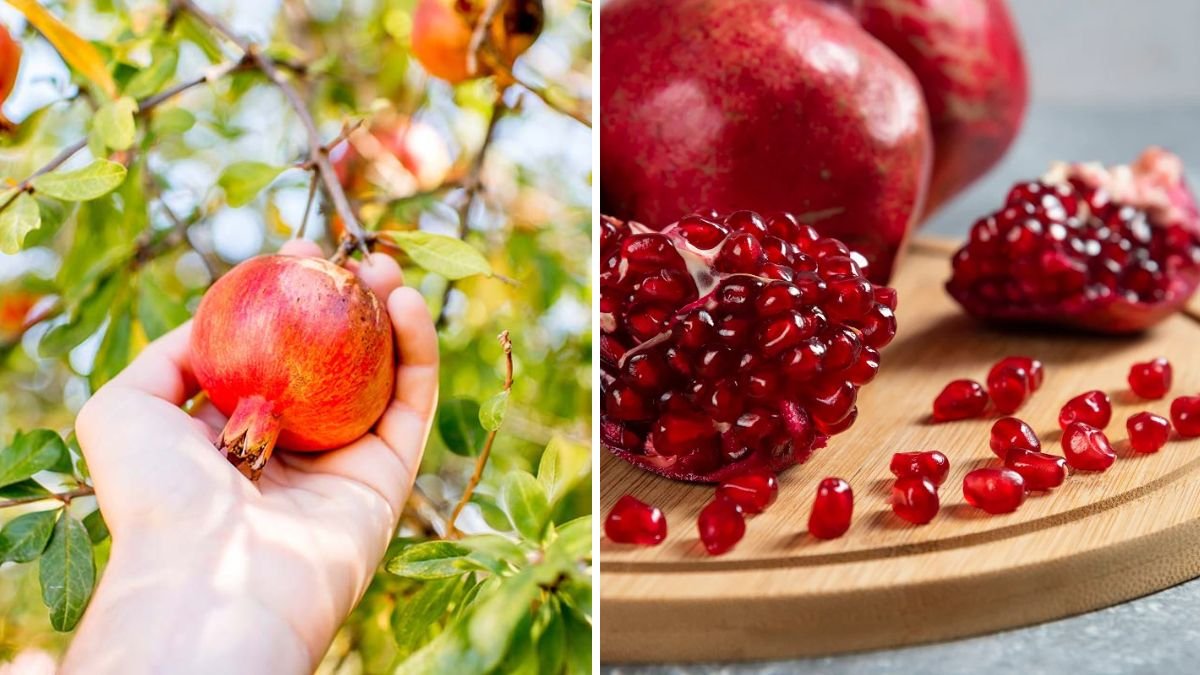
Pomegranates are among the most beautiful and rewarding fruit trees you can grow. Their vibrant red flowers, glossy leaves, and jewel-like fruits make them a favorite in home gardens. But as stunning as they are, pomegranates face many threats—pests, fruit cracking, fungal diseases, leaf drop, sunburn, and even birds.
If you want healthy plants and perfect fruits, you must understand how to protect your pomegranates from common problems. Whether you’re growing them in pots or in the ground, this complete 1200-word guide will help you safeguard your plants and enjoy a heavy harvest every year.
🍎 Introduction: Why Pomegranates Need Special Protection
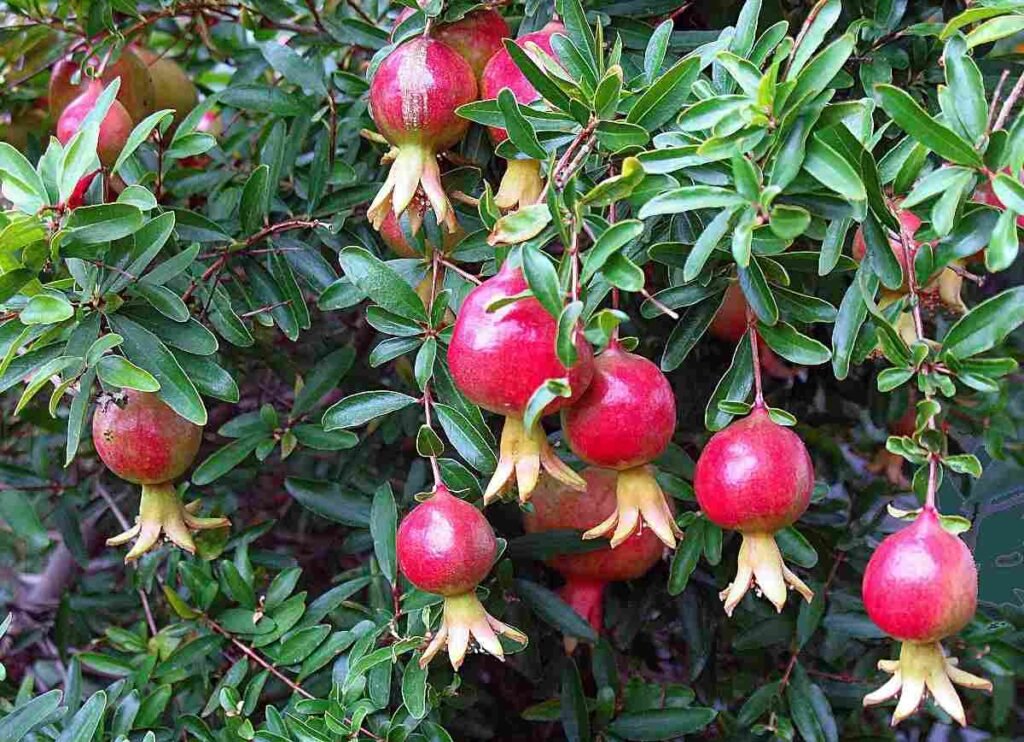
Pomegranates (Punica granatum) are hardy, drought-tolerant, and relatively low-maintenance. But they’re highly vulnerable during:
- Flowering
- Fruit setting
- Fruit ripening
At these stages, pests, diseases, and weather stress can cause:
❌ Fruit cracking
❌ Fruit rot
❌ Yellow leaves
❌ Flower drop
❌ Worm infestation
❌ Poor fruit quality
The good news? With the right care and protection methods, you can prevent 90% of these issues naturally.
🐛 1. Protecting Your Pomegranates from Pests
Pests are the biggest enemies of pomegranate plants. Let’s look at the most common ones and how to control them effectively.
🪲 A. Fruit Borer (Anar Dana Borer)
This is the most dangerous pest for pomegranates. The larvae enter the fruit through tiny holes and feed on the seeds inside.
Signs
- Small holes on fruit outer skin
- Black droppings near the hole
- Rotted seeds inside the fruit
How to Control
Organic Prevention:
✔ Use neem oil spray weekly (5 ml/liter + few drops soap)
✔ Install pheromone traps to catch moths
✔ Remove and destroy infected fruits immediately
Advanced Organic Spray:
- 2 tsp neem oil
- 1 tsp karanj oil
- 1 liter water
Spray every 7 days during flowering and fruit formation.
🐜 B. Aphids & Whiteflies
They suck sap from leaves and stunt plant growth.
Signs
- Sticky leaves
- Curling leaves
- Black sooty mold
How to Control
✔ Spray soap water (1 tsp liquid soap in 1 liter water)
✔ Neem oil spray twice a week
✔ Use yellow sticky traps
🐛 C. Mealybugs
White cotton-like pests that appear on leaves and branches.
Signs
- White clusters
- Stunted growth
- Mold formation
Control Method
✔ Wipe with cotton dipped in alcohol
✔ Spray neem oil with soap solution
✔ Release ladybugs (natural predators)
🍃 2. Protect Your Pomegranates from Diseases
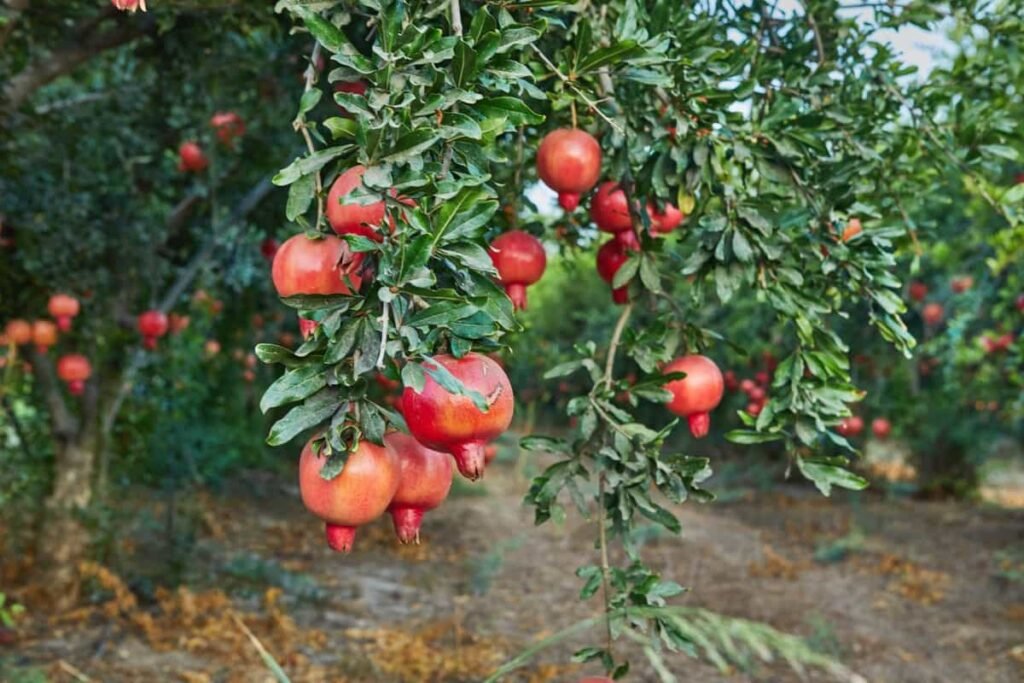
Pomegranates are mostly hardy, but they’re still vulnerable to fungal infections—especially during humid or rainy seasons.
🌧 A. Fruit Rot / Fungal Black Spot
This occurs if fruits remain wet for long.
Signs
- Black or brown round spots
- Soft rotten patches
- Fruit cracking
Prevention
✔ Keep the plant well-ventilated
✔ Avoid overhead watering
✔ Apply fungicide (organic or chemical) after heavy rain
Organic Fungicide Spray:
- 1 tsp baking soda
- 1 liter water
- 1 tsp vegetable oil
Spray every 10–15 days.
🍂 B. Leaf Spot Disease
Common in humid seasons.
Prevention
✔ Use copper fungicide once a month
✔ Maintain proper spacing
✔ Prune crowded branches
🌞 3. Protecting Pomegranates from Fruit Cracking
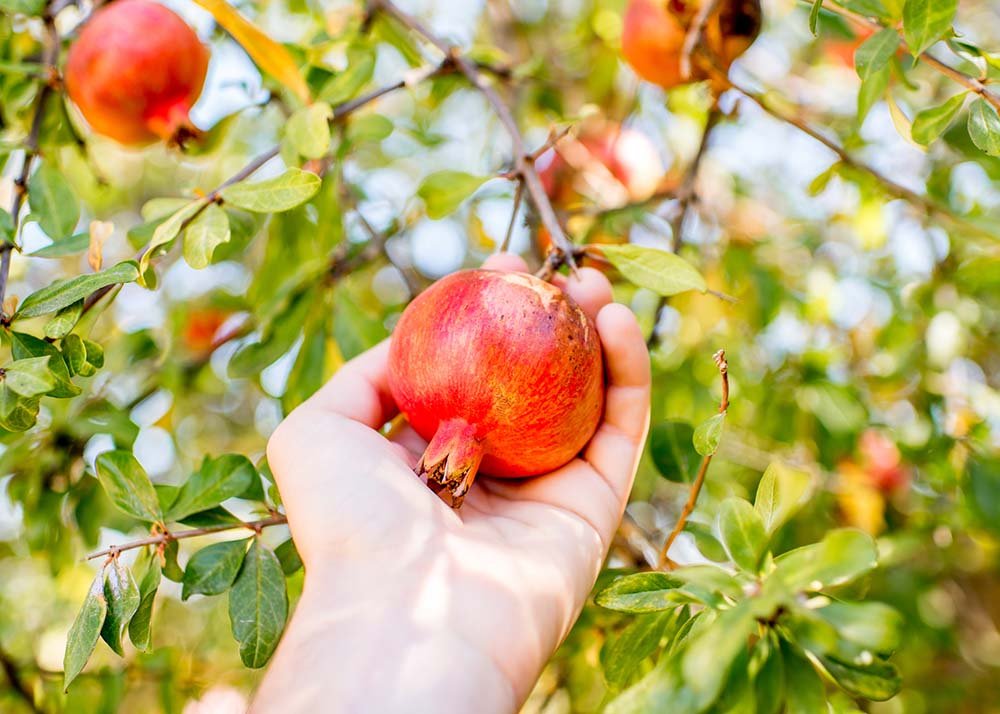
Fruit cracking is the most common problem for pomegranate growers. It happens when the fruit swells faster than the skin can handle.
Main Causes of Fruit Cracking
- Irregular watering
- Excessive sunlight and heat
- Calcium deficiency
- High humidity after dry periods
- Overripening on the tree
How to Prevent Fruit Cracking
✔ A. Maintain Consistent Watering
Do not let the soil dry completely.
Do not flood the soil suddenly.
Water deeply 2–3 times a week.
✔ B. Use Mulch
Add leaf mulch or straw at the base.
This reduces moisture loss and heat stress.
✔ C. Feed the Plant Seasonally
Use calcium-rich fertilizers during fruiting:
- Crushed eggshell powder
- Lime (1 tsp/liter monthly)
- Bone meal
✔ D. Provide Partial Shade
During extreme summer (40°C+), provide:
- Shade net
- Afternoon sun protection
✔ E. Do Not Overwater During Ripening
Slow down watering once fruits turn pinkish-red.
🐦 4. Protecting Pomegranates from Birds & Animals
Birds love pomegranates when they start turning red. So do squirrels, parrots, and even bats.
How to Protect Fruits
✔ Wrap fruits in paper bags or fine mesh bags
✔ Use reflective tapes
✔ Hang shiny CDs to scare birds
✔ Use netting over the plant for full protection
✂️ 5. Pruning for Health, Protection & Fruit Quality
Proper pruning is essential for preventing pest buildup and improving fruit quality.
When to Prune
✔ Late winter
✔ After fruiting
How to Prune
- Remove crossed branches
- Remove weak shoots
- Cut out dead wood
- Maintain 3–4 strong main branches (open shape)
This boosts:
✔ Airflow
✔ Sunlight penetration
✔ Fruit size
✔ Pest prevention
🧪 6. Fertilization for Strong, Disease-Resistant Plants
A well-fed plant resists disease better.
Best Organic Fertilizers for Pomegranates
✔ Cow dung manure
✔ Vermicompost
✔ Mustard cake fertilizer
✔ Banana peel fertilizer
✔ Bone meal
✔ Epsom salt
Seasonal Feeding Schedule
February–March (Growth Season)
- Add 2–3 kg compost
- Add 1 tbsp Epsom salt
June–July (Flowering Season)
- Add banana peel fertilizer
- Add 2 handfuls bone meal
September–October (Fruit Setting)
- Add potash-rich fertilizer
- Reduce nitrogen
December (Maintenance Feeding)
- Add light compost
This ensures:
✔ Healthy leaves
✔ Strong flowers
✔ Better fruit size
✔ Disease resistance
🪴 7. Protecting Pomegranates in Pots
Pomegranate trees grow extremely well in containers, but they need extra care.
Common Pot Problems
- Soil dries quickly
- Roots overheat
- Nutrients deplete faster
Protection Tips
✔ Use a 16–24 inch pot
✔ Use well-draining soil mix
✔ Mulch heavily
✔ Provide afternoon shade
✔ Feed every 30–40 days
✔ Keep pot elevated for airflow
Potted plants require double the attention, especially in summer.
🌱 8. Weather Protection: Heat, Rain & Cold
During Heatwaves (40°C+)
- Use shade net
- Mulch thickly
- Water deeply in the morning
During Heavy Rain
- Avoid overwatering
- Use fungicide spray
- Improve soil drainage
During Winter
- Protect young plants with cloth
- Avoid watering late evening
🍎 Conclusion: Healthy Protection = Healthy Harvest
Protecting your pomegranates doesn’t have to be complicated. When you understand the plant’s needs and its vulnerabilities, you can prevent most problems before they even begin.
By following this complete protection guide, your pomegranate plants will have:
✔ Strong leaves
✔ Disease-free growth
✔ Healthy flowers
✔ Big, crack-free fruits
✔ Heavy harvest every year
A protected pomegranate tree is a productive pomegranate tree!