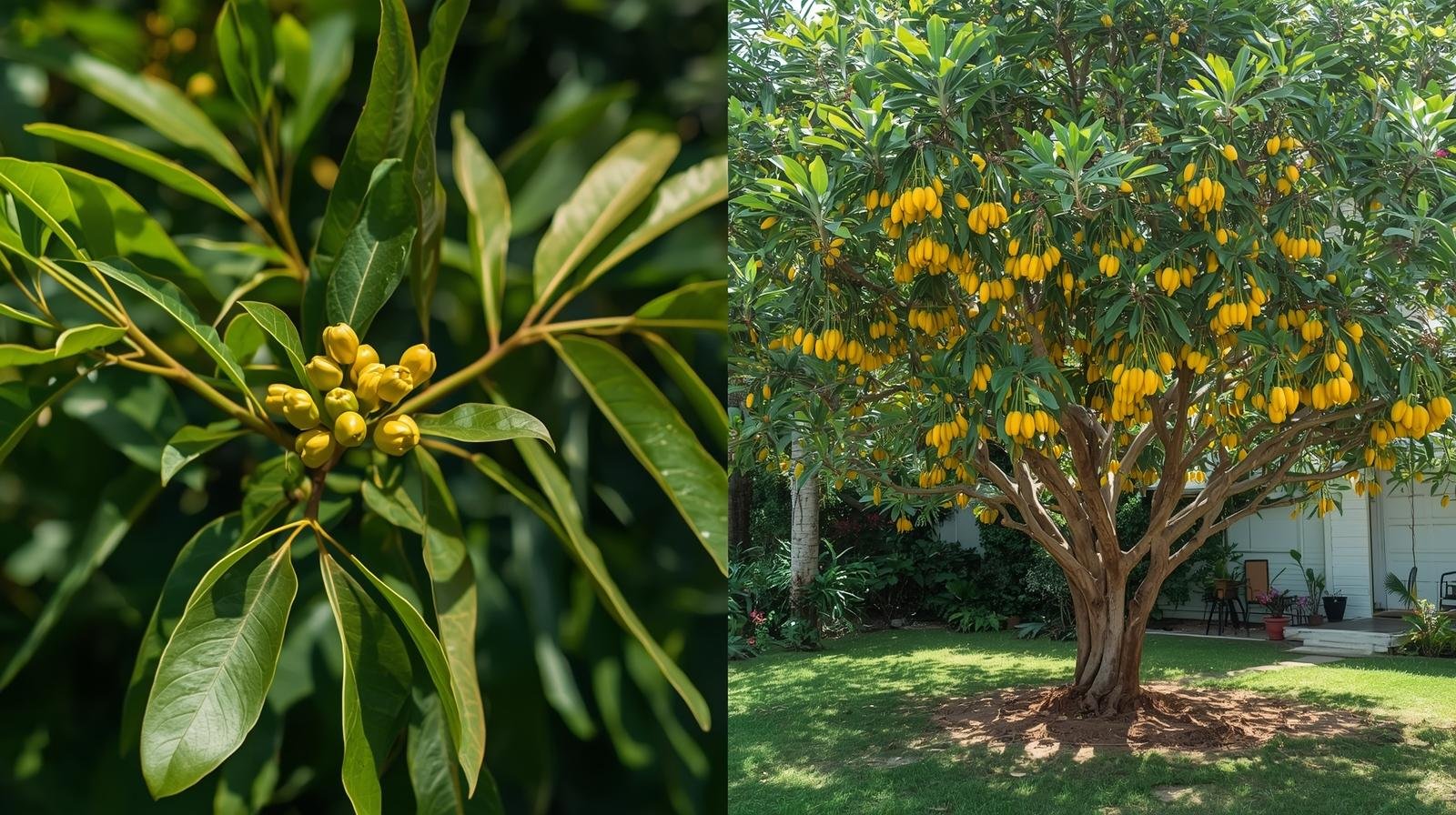
Introduction: The Joy of Growing Ackee Trees
Growing an ackee tree requires patience and dedication. The tree takes years to mature before producing flowers and fruit. Witnessing its first blossoms is a triumph for gardeners. Each bloom signals potential for a future harvest. Ackee trees are tropical natives, thriving in warm climates. Proper care over the years ensures healthy growth. Pruning, watering, and fertilization are essential. The journey from seedling to fruiting tree is rewarding. Long-term attention builds resilience and vitality.
Understanding the Growth Cycle of Ackee Trees
Ackee trees begin as small saplings and grow steadily over several years. They develop a strong root system first. The trunk and branches gradually expand in diameter. Leaves emerge in clusters, absorbing sunlight efficiently. Flower buds form typically around the fifth year. Warm temperatures accelerate flowering. Patience is required during the vegetative stage. Observing growth milestones keeps gardeners motivated. Each stage lays the foundation for fruiting success.
Optimal Soil and Site Conditions for Ackee Trees
Ackee trees thrive in well-drained, slightly acidic soils. Sandy loam enriched with organic matter is ideal. Full sun exposure promotes flowering and fruit development. Avoid low-lying areas prone to waterlogging. Mulching preserves soil moisture. Proper site selection prevents root rot. Soil testing ensures nutrient balance. Fertilization enhances leaf and flower growth. Site preparation influences long-term tree health.
Watering and Irrigation Techniques
Consistent watering supports ackee tree growth. Deep watering encourages strong root development. Avoid frequent shallow watering. During flowering, moderate irrigation prevents stress. Waterlogged soil inhibits fruit formation. Drip irrigation or soaker hoses are effective. Seasonal rainfall may reduce watering needs. Proper hydration balances growth and flowering. Water management is a critical long-term investment.
Fertilization Strategies Over the Years
Balanced fertilization promotes healthy growth. Nitrogen supports leaf development. Phosphorus encourages root and flower formation. Potassium improves fruit quality. Organic compost and slow-release fertilizers work well. Apply nutrients during active growth phases. Avoid over-fertilization, which may hinder flowering. Fertilization supports sustained tree health. Annual monitoring ensures nutrient sufficiency.
Pruning for Health and Flowering
Pruning shapes the tree and encourages better airflow. Remove dead, diseased, or crowded branches. Open the canopy to allow sunlight penetration. Pruning stimulates new growth and flower production. Avoid heavy pruning during the flowering stage. Maintenance pruning preserves structural integrity. Proper technique reduces pest infestations. Consistency ensures long-term vigor. Pruned trees often produce more fruit.
Recognizing the First Flower Buds
Flower buds signal the tree’s readiness to produce fruit. Typically, buds emerge in the fifth year. They appear at branch tips and leaf axils. Buds start small and gradually enlarge. Healthy buds indicate proper nutrition and care. Monitor for pests or fungal infection. Flower development requires consistent moisture and light. Patience during bud formation is essential. The first buds mark a significant milestone.
Pollination and Flower Health
Ackee flowers rely on insect pollination. Bees and other pollinators are vital. Encourage pollinator-friendly plants nearby. Avoid insecticides during flowering. Monitor flowers for signs of wilting or pests. Proper pollination increases fruit set. Flower health reflects overall tree vitality. Ensure adequate spacing for airflow. Healthy flowers lead to successful fruiting.
Environmental Factors Affecting Flowering
Temperature, humidity, and sunlight influence bloom success. Extreme cold can delay flowering. Excessive heat may cause bud drop. Strong winds can damage delicate blooms. Proper shading may be necessary in hot regions. Monitoring environmental conditions supports flower development. Adjust watering and mulching accordingly. Healthy environmental management maximizes fruit potential.
Pest and Disease Management During Flowering
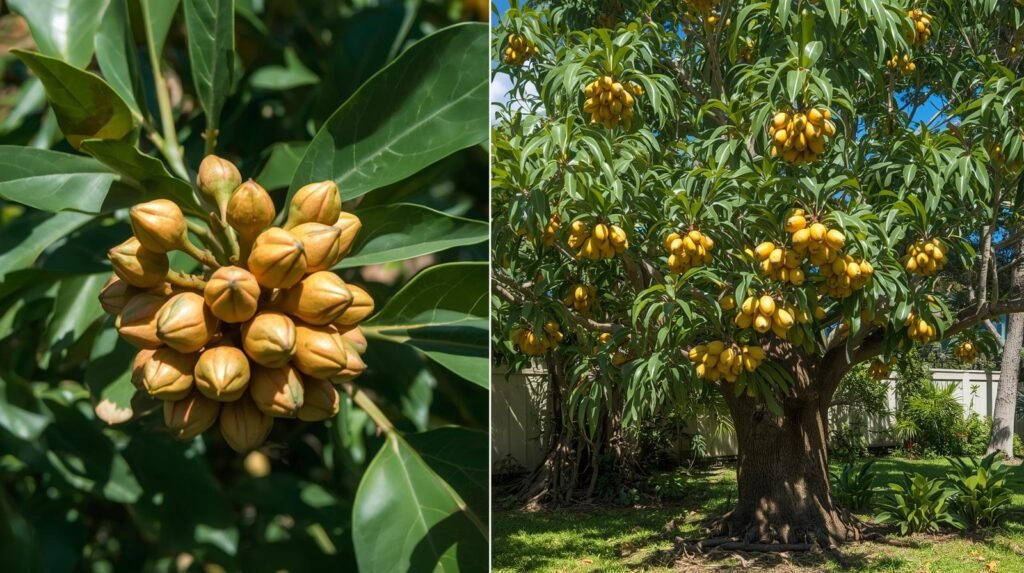
Pests such as aphids and caterpillars may attack flowers. Fungal infections can cause bud drop. Regular monitoring prevents infestations. Natural predators and organic sprays maintain health. Avoid harsh chemicals during flowering. Early intervention preserves blooms. Maintain good sanitation around the tree. A healthy tree produces more robust flowers.
Fruit Set and Early Development
After successful pollination, flowers develop into young fruits. Small green pods form gradually. Fruits enlarge over weeks as nutrients accumulate. Proper irrigation supports growth. Fertilization during early fruiting is beneficial. Monitor for pests such as fruit flies. Consistent care prevents premature fruit drop. Patience is key, as fruits mature slowly. Observing the first fruits is highly rewarding.
Supporting Young Fruit
Young fruits may require physical support. Tie branches if load is heavy. Prevent branches from breaking under weight. Avoid damaging leaves or stems. Mulching beneath protects root zones. Regular inspection prevents pest or bird damage. Maintaining tree structure ensures long-term productivity. Support aids fruit maturation. Healthy fruits indicate effective care.
Timing of Harvest
Ackee fruits must be fully mature before harvest. Immature fruits are toxic due to hypoglycin content. Wait until pods naturally open, revealing yellow flesh. Harvesting too early is dangerous. Proper timing ensures safety and quality. Fruits continue to ripen gradually on the tree. Consistency in observation prevents losses. Safe harvest practices maximize yield.
Post-Harvest Care for the Tree
After fruiting, trees need recovery. Water adequately to replace lost moisture. Apply balanced fertilization for root and leaf recovery. Prune lightly to remove damaged fruit stems. Inspect for pests and disease. Mulch retains nutrients and moisture. Support healthy canopy regrowth. Long-term care ensures future flowering cycles. Regular maintenance sustains productivity.
Long-Term Benefits of Patience in Ackee Cultivation
Five years of care culminate in fruiting success. Trees become more resilient with age. Productivity increases annually. Harvest provides both food and economic value. Gardening satisfaction grows. Patience improves skills and knowledge. Long-term observation builds expertise. Rewarding results inspire continued cultivation. Commitment pays off significantly.
Common Mistakes to Avoid
Overwatering or underwatering can stress trees. Neglecting pruning reduces airflow. Ignoring soil nutrition slows flowering. Using pesticides during flowering harms pollinators. Harvesting too early is unsafe. Failing to support branches damages fruits. Monitoring and patience prevent mistakes. Avoiding these errors ensures success.
Expert Tips for Fruit Maximization
Plant additional pollinator-attracting flowers nearby. Ensure consistent sunlight exposure. Use organic fertilizers appropriately. Maintain tree health year-round. Monitor environmental changes. Train branches for optimal fruiting. Regular observation maximizes harvest. Expert strategies enhance yield and quality.
Table: Key Steps to Successful Ackee Fruiting
Step
Ensure proper soil and sunlight conditions
Step
Provide consistent watering and fertilization
Step
Prune tree to encourage healthy growth
Step
Monitor for pests and diseases regularly
Step
Support young fruit and harvest at maturity