Introduction: The Excitement of Starting Ackee Seedlings
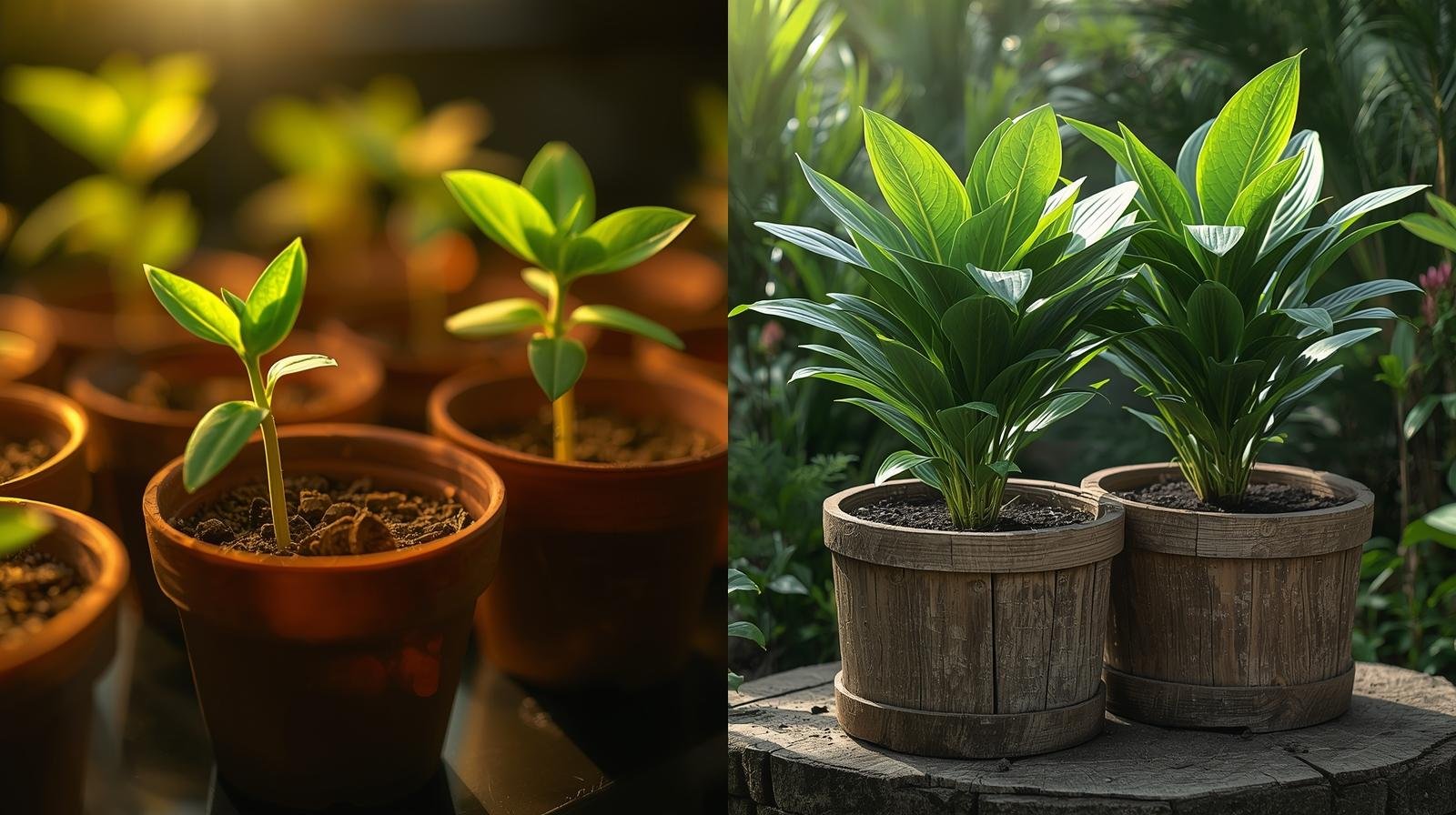
Growing ackee trees from seedlings is an exciting journey. Seedlings allow gardeners to monitor early development. Proper care during the seedling stage ensures strong future trees. Healthy seedlings adapt better to transplanting. The first leaves indicate vigor and genetic potential. Soil, light, and water management are critical. Seedling growth sets the foundation for long-term productivity. Patience during this stage is essential. Early observation builds gardening expertise.
Selecting Quality Ackee Seeds
Choose fully matured ackee seeds for higher germination rates. Avoid damaged or underdeveloped seeds. Fresh seeds increase success likelihood. Soak seeds in water before planting to soften shells. Inspect seeds for disease or discoloration. Healthy seeds produce vigorous seedlings. Seed selection impacts long-term growth. Proper selection saves time and effort.
Preparing the Seedling Soil
Use a well-draining potting mix. Combine sand, compost, and organic matter. Avoid compacted garden soil. Mix thoroughly to ensure uniform texture. Sterilize soil if possible to reduce pathogens. Nutrient-rich soil supports root development. Moisture retention is important but should not cause waterlogging. Proper soil preparation maximizes seedling health.
Germination Techniques for Ackee Seeds
Plant seeds about one inch deep. Maintain consistent moisture. Warmth accelerates germination, ideally above seventy-five degrees Fahrenheit. Cover pots to retain humidity if needed. Monitor daily for soil dryness. Germination typically occurs within two to four weeks. Rotate containers for even light exposure. Successful germination begins healthy growth.
Providing Adequate Light
Seedlings require bright, indirect sunlight. Avoid harsh direct sun that may scorch leaves. Supplemental grow lights can help in low light conditions. Maintain twelve to sixteen hours of light per day. Gradually acclimate seedlings to outdoor sun before transplanting. Proper light prevents leggy growth. Balanced lighting supports leaf and stem development.
Watering Young Seedlings
Keep soil consistently moist but not soggy. Avoid overwatering, which causes root rot. Use a gentle watering method to prevent soil displacement. Water early in the day to allow drying before night. Monitor humidity levels carefully. Seedling roots are fragile. Proper watering ensures strong root development. Water management is critical during early growth.
Fertilizing Seedlings Carefully
Use diluted balanced fertilizers. High concentration damages roots. Apply after the first true leaves emerge. Organic liquid fertilizers work well. Monitor for signs of nutrient deficiency. Avoid over-fertilization. Fertilization supports leaf and root growth. Careful feeding sets the stage for future fruiting.
Transplanting Seedlings Safely
Transplant when seedlings have multiple true leaves. Handle roots gently to prevent damage. Choose slightly larger containers or outdoor sites with prepared soil. Water seedlings before transplanting. Avoid transplant shock by acclimating gradually. Ensure soil and site are ready. Proper timing ensures survival. Transplanting is a critical stage.
Protecting Seedlings from Pests
Young seedlings are vulnerable to aphids, snails, and mites. Use natural deterrents where possible. Avoid harsh chemical sprays. Inspect daily for early signs of pest activity. Remove affected leaves carefully. Maintain cleanliness in pots and trays. Protection preserves healthy growth. Early intervention prevents widespread damage.
Maintaining Temperature and Humidity
Seedlings thrive in warm, humid conditions. Avoid cold drafts and temperature fluctuations. Use a humidity dome if necessary. Keep air circulating gently to prevent fungal growth. Monitor daily for extreme conditions. Stable conditions support strong growth. Gradual exposure prepares seedlings for outdoor conditions.
Pruning Early for Shape and Strength
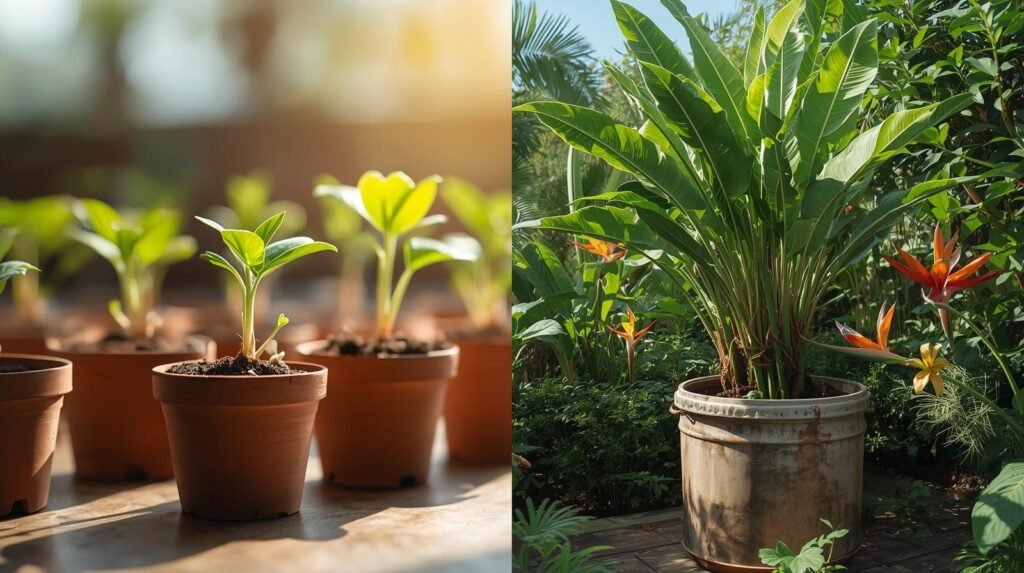
Remove damaged or weak leaves. Encourage strong, central stem growth. Avoid over-pruning, which stresses seedlings. Maintain balance between leaf and root development. Gentle pruning supports future flowering. Strong seedlings develop better structure. Early shaping reduces corrective pruning later. Healthy structure enhances resilience.
Monitoring Growth Progress
Track leaf number, height, and stem thickness. Note unusual color changes or stunted growth. Record observations weekly. Early detection of issues prevents problems. Adjust care as needed. Growth monitoring builds gardening experience. Careful attention ensures healthy seedlings. Observation aids long-term success.
Preparing for Outdoor Planting
Harden off seedlings gradually. Introduce them to outdoor sunlight in small increments. Monitor soil and air temperatures. Protect from strong winds and pests. Ensure consistent watering. Hardened seedlings adapt better to environmental stress. Gradual acclimation prevents shock. Preparation is essential for survival.
Companion Planting with Seedlings
Plant with compatible species for shared protection. Avoid competitive root systems. Companion plants deter pests naturally. Enhance soil fertility with nitrogen fixers. Maintain spacing to allow sunlight access. Companion planting supports early growth. Reduces risk of pest and disease pressure. Strategic design improves survival.
Common Seedling Mistakes to Avoid
Overwatering or underwatering can kill seedlings. Excess fertilizer burns roots. Insufficient light causes leggy growth. Planting too early outdoors exposes seedlings to shock. Crowding reduces airflow. Mistakes hinder long-term growth. Awareness prevents loss. Proper care ensures strong young plants.
Long-Term Benefits of Healthy Seedling Care
Seedlings grow into strong, productive trees. Early care reduces future maintenance. Healthy roots enhance fruit production. Proper care saves time and resources. Strong seedlings resist pests and diseases. Gardeners gain experience and confidence. Long-term rewards are substantial. Patience and attention pay off.
Expert Tips for Successful Ackee Seedlings
Maintain consistent care routines. Track growth and environmental factors. Use organic fertilizers and pest control. Monitor watering and light carefully. Provide support as needed. Avoid sudden environmental changes. Follow a step-by-step approach. Expert strategies maximize survival and growth.
Table: Ackee Seedling Care Checklist
Step
Select healthy mature seeds for planting
Step
Prepare well-draining nutrient-rich soil
Step
Maintain consistent watering and humidity
Step
Provide bright, indirect sunlight or grow lights
Step
Fertilize carefully after true leaves appear
Step
Monitor for pests and environmental stress