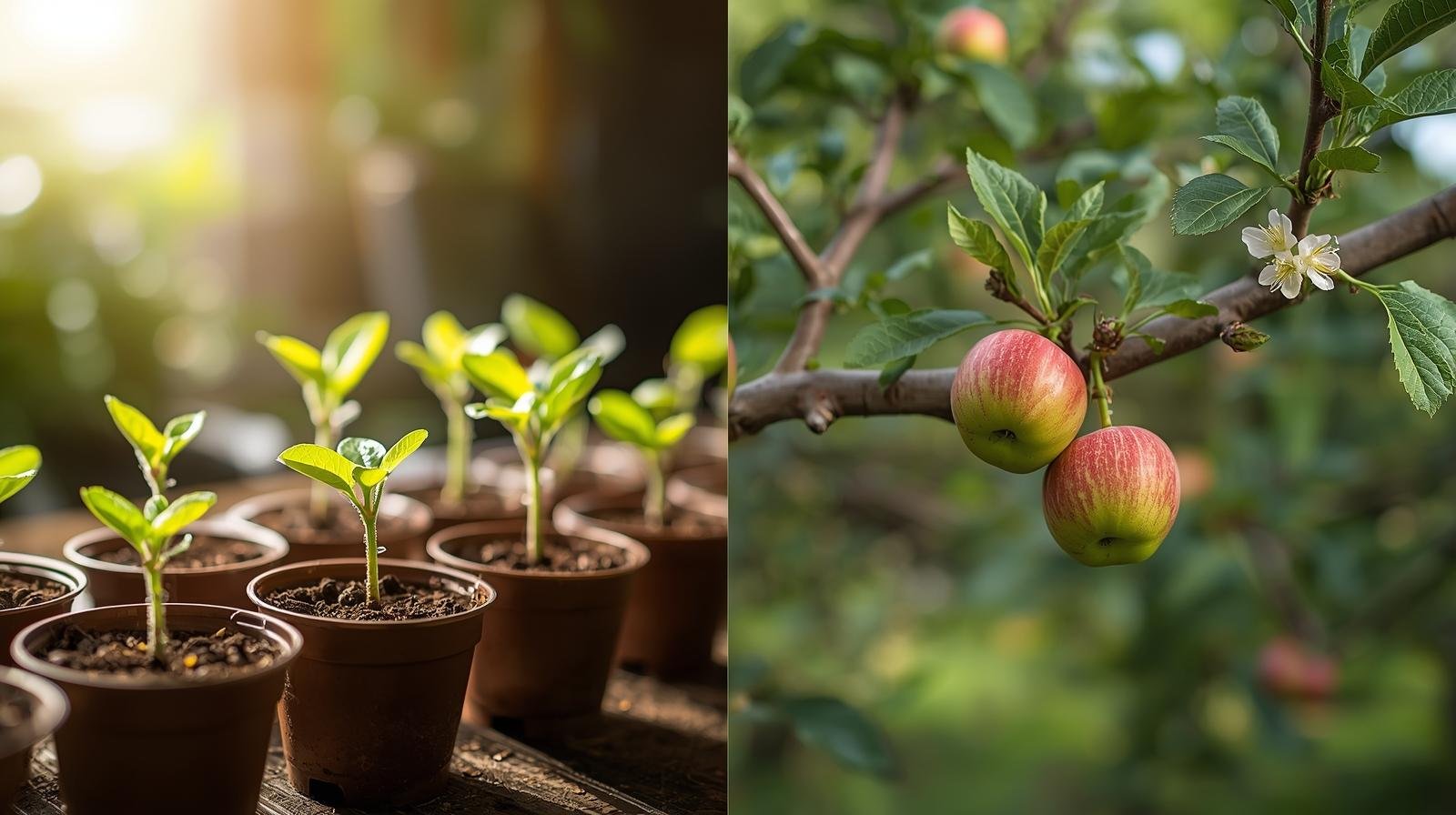
Introduction: The Joy of Growing Apples from Seed
Growing an apple tree from seed at home is a rewarding experience. From a tiny seed, a full tree with blossoms and fruit emerges. Patience and proper care are essential for success. The process teaches organic farming principles. Each growth stage provides insight into plant biology. Apple trees thrive in well-draining soil and adequate sunlight. Organic practices ensure chemical-free fruits. Growing from seed develops strong, resilient trees. This journey is ideal for home gardeners.
Selecting Quality Apple Seeds
Choose seeds from fully ripened organic apples. Avoid bruised or rotten fruits. Extract seeds carefully and rinse under water. Soak seeds overnight to improve germination. Healthy seeds yield stronger seedlings. Selection impacts long-term tree health. Consider the apple variety desired. Organic seeds reduce exposure to chemical residues. Quality seeds are the foundation for success.
Stratification: Preparing Seeds for Germination
Apple seeds require cold stratification. Wrap seeds in moist paper towels. Place in a plastic bag in the refrigerator. Keep for six to eight weeks at low temperatures. Stratification mimics winter dormancy. Remove seeds after stratification before planting. This process enhances germination rates. Proper preparation ensures healthy seedlings. Patience during stratification is key.
Choosing the Right Container for Seedlings
Start seeds in small pots with drainage holes. Use well-draining potting mix. Avoid overly large containers initially. Containers should allow easy root growth. Maintain moisture without waterlogging. Label each container with variety information. Proper container selection prevents root damage. Use organic soil mixtures for better growth. Containers are temporary homes for young seedlings.
Planting Apple Seeds Correctly
Plant seeds one inch deep in prepared soil. Cover lightly and water gently. Maintain consistent moisture during germination. Avoid heavy watering that may wash seeds out. Place containers in bright, indirect sunlight. Seeds typically germinate within two to four weeks. Monitor for mold or fungal growth. Planting depth and care influence sprouting success. Proper technique ensures strong seedlings.
Watering and Moisture Management
Seedlings need consistent hydration. Soil should be damp, not soggy. Overwatering leads to root rot. Use a gentle watering method to avoid disturbing soil. Monitor moisture daily. Increase water gradually as seedlings grow. Proper watering supports healthy leaves and stems. Moisture management is vital for root development. Consistent care establishes strong plants.
Providing Adequate Light
Seedlings require twelve to sixteen hours of indirect light daily. Grow lights supplement natural sunlight in low-light areas. Rotate pots regularly to ensure uniform growth. Avoid direct harsh sunlight that may scorch leaves. Balanced lighting prevents leggy seedlings. Light promotes photosynthesis and strong stem development. Proper lighting sets the foundation for mature trees. Consistency enhances growth outcomes.
Fertilizing Young Seedlings
After true leaves develop, apply diluted organic fertilizer. Nitrogen promotes leaf growth. Phosphorus supports root and flower formation. Potassium strengthens overall plant resilience. Avoid over-fertilization that burns roots. Liquid organic fertilizers are ideal for young seedlings. Fertilization enhances early growth and future fruit production. Monitor plant response carefully. Balanced feeding ensures healthy seedlings.
Transplanting Seedlings to Larger Pots
Transplant when seedlings have two to four true leaves. Choose a slightly larger container with good drainage. Water seedlings before transplanting to reduce shock. Loosen roots gently during transfer. Ensure soil composition is nutrient-rich. Gradually acclimate seedlings to outdoor conditions. Proper transplanting prevents stress. Healthy seedlings adapt well to new environments. Transplanting supports long-term growth.
Pruning Young Trees
Prune weak or damaged branches early. Encourage strong central leader growth. Avoid heavy pruning that stresses young plants. Pruning shapes the tree for future fruiting. Maintain balance between root and canopy growth. Remove crossing branches to improve airflow. Early pruning strengthens structure and supports healthy development. Consistent care maximizes future yield. Pruning sets the foundation for a productive tree.
Pest and Disease Management
Monitor seedlings for aphids, mites, and fungal infections. Use organic sprays or natural predators for control. Avoid harsh chemicals that harm beneficial insects. Maintain cleanliness around containers and soil surface. Inspect leaves and stems regularly. Early detection prevents widespread damage. Healthy seedlings reduce future pest problems. Prevention is easier than treatment. Safe management supports organic growth.
Understanding Apple Tree Growth Timeline
Apple trees grown from seed take several years to mature. Flowering may occur around five to eight years. Full fruiting typically begins after seven to ten years. Environmental conditions influence development speed. Regular care accelerates growth. Understanding timelines prepares gardeners for long-term commitment. Early nurturing affects future yield. Patience is essential for success. Knowledge helps plan maintenance and harvests.
Encouraging Flowering and Fruiting
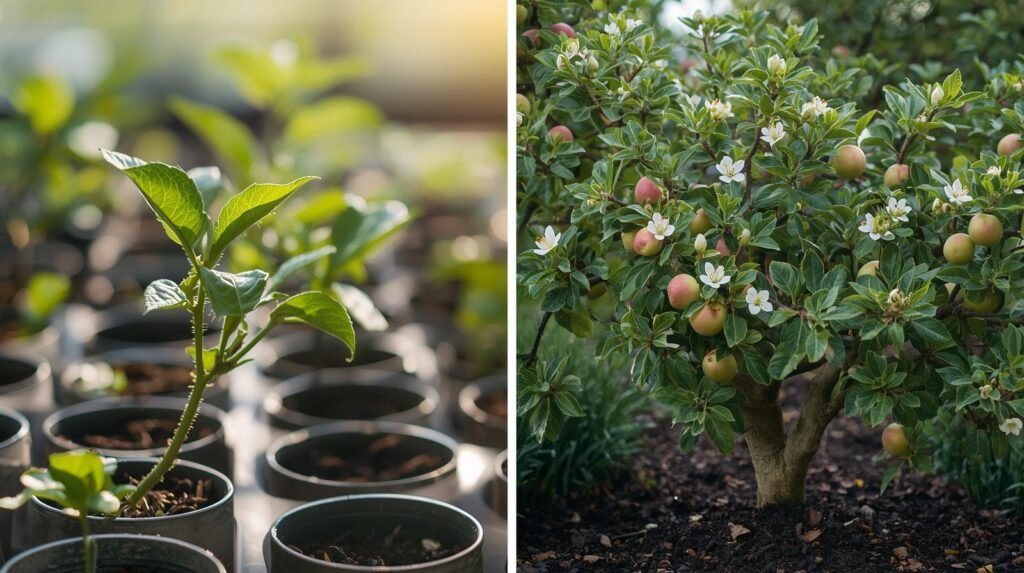
Proper fertilization and pruning enhance flower development. Adequate sunlight and watering are essential. Bees and pollinators are crucial for fruit set. Avoid pesticides during flowering. Balanced soil nutrition supports fruit formation. Flower buds appear gradually. Healthy flowers lead to higher fruit yield. Observation and care maximize productivity. Flower management ensures future harvests.
Harvesting Mature Apples
Wait for fruits to fully ripen on the tree. Check color, firmness, and aroma. Avoid picking immature apples. Harvest carefully to prevent damage. Use proper storage methods to prolong freshness. Timing impacts taste and quality. Observing maturation ensures safe and delicious fruit. Proper harvesting protects tree health. Enjoy the rewards of patient cultivation.
Long-Term Care for Apple Trees
Maintain soil fertility through annual organic amendments. Prune regularly to improve airflow and sunlight penetration. Monitor for pests and diseases continuously. Provide consistent watering, especially during dry seasons. Mulch helps retain moisture and suppress weeds. Healthy trees live longer and produce better fruits. Regular care reduces future maintenance. Sustainable practices promote resilience. Long-term attention ensures continued productivity.
Troubleshooting Common Issues
Yellow leaves may indicate nutrient deficiency. Wilting suggests water imbalance. Fungal infections can harm flowers or fruit. Pests may attack leaves or stems. Observing growth trends helps identify problems. Adjust care routines as needed. Early intervention prevents major damage. Troubleshooting improves gardening skills. Proper attention mitigates risks.
Benefits of Growing Apple Trees at Home
Homegrown apples are chemical-free and fresh. Gardening provides physical and mental health benefits. Learning patience and observation skills is rewarding. Home apple trees improve property aesthetics. They encourage sustainable organic farming. Trees support local pollinators. Harvests reduce grocery costs. Educational opportunities arise for family members. Growing apples promotes ecological awareness.
Table: Apple Seedling Care Checklist
Step
Select quality apple seeds
Step
Stratify seeds for germination
Step
Plant seeds in well-draining soil
Step
Maintain consistent moisture and light
Step
Fertilize young seedlings carefully
Step
Transplant when true leaves develop
Step
Monitor pests and diseases
Step
Prune for strong growth