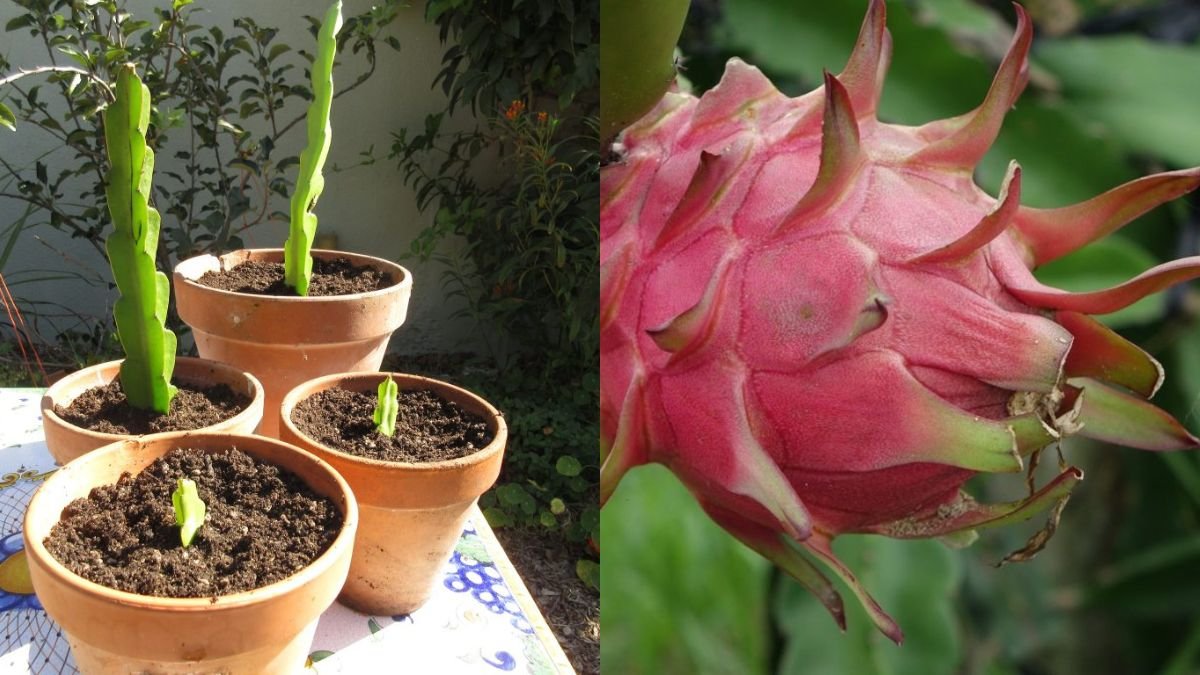
1. Introduction to Dragon Fruit Flowering
Many gardeners struggle to get dragon fruit plants to flower. Vegetative growth alone does not guarantee fruit. Flowering depends on specific conditions. Dragon fruit flowers are large and beautiful. They bloom at night and last briefly. Proper care encourages regular flowering. Understanding plant behavior is essential. Flower induction requires balance and patience.
2. Understanding Dragon Fruit Growth Stages
Dragon fruit has vegetative and reproductive stages. Vegetative growth focuses on stems and branches. Flowering occurs only when plants mature. Excessive vegetative growth delays flowering. Stress signals can trigger blooms. Knowing growth stages helps management. Timing matters greatly. Growth balance leads to flowering.
3. Plant Age and Maturity Requirement
Young plants do not flower easily. Most plants flower after eighteen months. Mature stems are more likely to bloom. Thin or weak branches rarely flower. Healthy thickness indicates readiness. Age plays a major role. Impatience delays success. Allow plants to mature fully.
4. Importance of Sunlight for Flower Induction
Sunlight is critical for flowering. Dragon fruit needs full sun exposure. Insufficient light delays blooms. At least six to eight hours is ideal. Shaded plants grow leaves but not flowers. Sunlight affects bud formation. Move plants if needed. Light is a flowering trigger.
5. Nutrient Balance for Flowering
Excess nitrogen promotes leaf growth. Phosphorus and potassium encourage flowering. Balanced fertilization is essential. Reduce nitrogen before flowering season. Organic compost supports nutrients slowly. Micronutrients also matter. Proper feeding triggers blooms. Nutrient balance controls plant behavior.
6. Water Stress as a Flowering Trigger
Slight water stress can induce flowering. Overwatering prevents blooms. Allow soil to dry slightly between watering. Controlled stress signals reproduction. Do not stress excessively. Balance is important. Proper watering timing improves flowering. Stress must be gentle and temporary.
7. Role of Pruning in Flower Induction
Pruning redirects plant energy. Remove excess vegetative growth. Focus on mature branches. Pruning improves airflow and light. Flower buds form on mature segments. Strategic pruning promotes blooming. Avoid heavy pruning before flowering. Timing matters.
8. Supporting Structure and Flowering
Strong support encourages upright growth. Vertical growth improves light exposure. Flower buds form near edges of mature stems. Proper training positions branches correctly. Unsupported plants flower poorly. Structure influences productivity. Support design matters.
9. Temperature Influence on Flowering
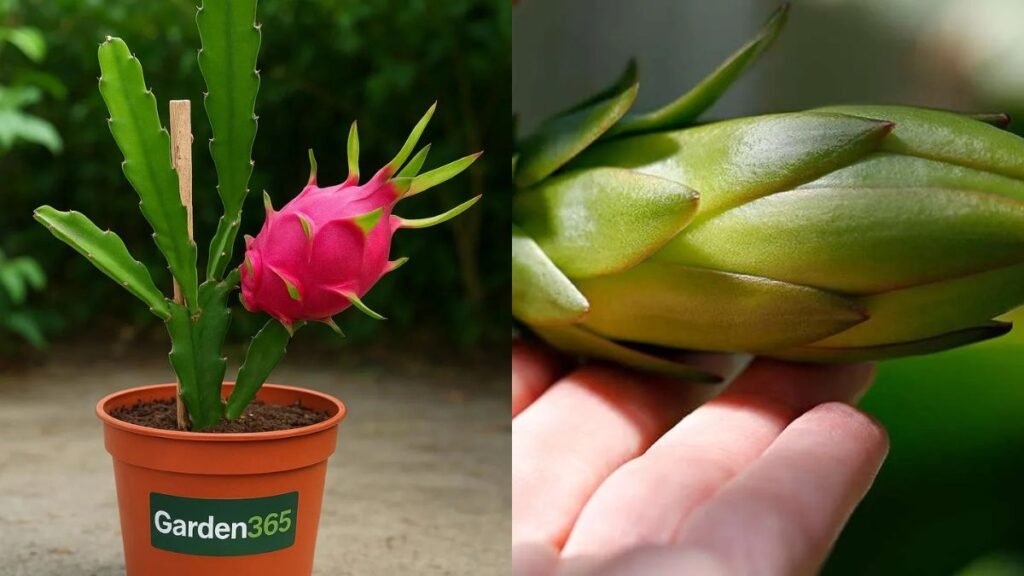
Warm temperatures favor flowering. Extreme cold delays blooms. Dragon fruit prefers tropical warmth. Night temperatures affect bud formation. Stable climate improves success. Protect plants from cold stress. Temperature consistency matters.
10. Seasonal Flowering Pattern
Dragon fruit flowers seasonally. Flowering occurs in warm months. Blooms appear in cycles. Understanding flowering season helps care. Feeding and watering adjustments matter. Seasonal awareness improves results. Flower cycles repeat multiple times.
11. Hand Pollination for Better Fruit Set
Some varieties require pollination assistance. Night flowering limits natural pollination. Hand pollination improves fruit set. Use soft brush or cotton. Pollinate at night or early morning. Successful pollination increases yield. Pollination completes flowering process.
12. Flower Bud Development Signs
Small buds appear along stem edges. Buds grow gradually. Healthy buds are firm. Weak buds fall early. Bud development indicates success. Proper care maintains buds. Observation helps timely intervention.
13. Common Reasons for No Flowering
Excess nitrogen delays blooms. Insufficient sunlight prevents flowering. Overwatering causes vegetative growth. Immature plants cannot flower. Poor pruning affects bud formation. Identifying causes helps correction. Flowering issues are solvable.
14. Organic Flower Boosting Techniques
Compost tea supports flowering. Banana peel extract provides potassium. Bone meal improves phosphorus levels. Organic methods are safe. Avoid harsh chemicals. Natural inputs work gradually. Organic care improves long-term flowering.
15. Role of Stress in Flower Induction
Controlled stress signals reproduction. Stress must be temporary. Water reduction is common method. Avoid nutrient stress. Proper stress timing triggers blooms. Excess stress damages plants. Balance is critical.
16. Night Blooming Nature of Dragon Fruit
Flowers open at night. Bloom lasts one night only. Pollination timing is critical. Night blooming attracts specific pollinators. Gardeners must observe at night. Missed blooms reduce fruit. Awareness improves success.
17. Post-Flower Care for Fruit Development
After flowering, water carefully. Avoid stress during fruit development. Nutrition supports fruit growth. Protect developing fruits. Consistent care prevents drop. Post-flower care determines yield.
18. Increasing Number of Flowering Cycles
Healthy plants flower multiple times per season. Proper care encourages repeat blooming. Remove harvested fruits promptly. Maintain nutrient balance. Consistent care extends flowering season. More cycles mean more fruits.
19. Expected Yield After Successful Flowering
Yield increases yearly. Each flower produces one fruit. Mature plants produce many flowers. Proper induction improves consistency. Fruit size improves with care. Yield potential is high. Flowering success determines harvest.
20. Conclusion – Unlocking Dragon Fruit Flowering Success
Inducing dragon fruit flowering requires understanding and balance. Light, nutrition, water, and pruning all matter. Mature plants respond best. Small adjustments bring big results. Flowering is achievable with patience. Proper care unlocks productivity. Night blooms reward effort. Consistent care ensures success.
📊 Table: Key Factors Affecting Dragon Fruit Flowering
| Factor | Correct Practice | Effect |
|---|---|---|
| Sunlight | Full exposure | Bud formation |
| Nutrition | Balanced feeding | Flower induction |
| Watering | Controlled stress | Bloom trigger |
| Pruning | Mature branch focus | Increased flowering |