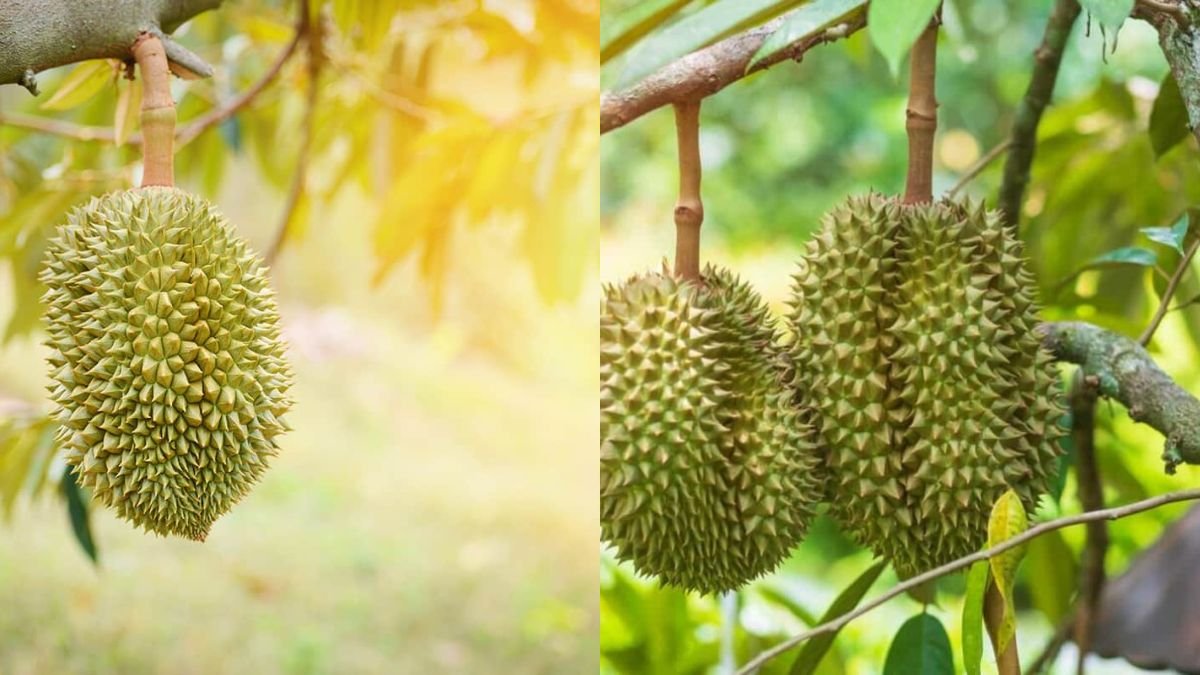
Introduction to Growing Durian from Seeds
Durian is known as the king of fruits and is loved for its rich flavor and strong aroma. Many gardeners believe growing durian is difficult, but planting durian seeds at home is possible with patience. This tropical fruit tree grows best in warm and humid climates. Understanding the planting process helps avoid common failures. Growing from seed is the most natural method. Home gardeners enjoy watching the slow transformation. This guide explains everything step by step. Even beginners can follow this method confidently.
Understanding the Durian Tree
The durian tree is a large evergreen tropical tree that can live for decades. It grows tall and develops a strong trunk over time. The leaves are glossy and dark green, indicating healthy growth. Durian trees require space and deep soil for roots. They are sensitive during early stages. Strong root development is essential. Knowing the tree’s nature helps provide proper care. Early understanding prevents future problems.
Choosing the Right Durian Seeds
Fresh seeds are the most important factor in successful durian planting. Durian seeds lose viability quickly after removal from the fruit. Always select seeds from fully ripe durian. Clean the seeds gently without damaging them. Avoid dried or old seeds completely. Healthy seeds appear plump and firm. Seed quality directly affects germination success. Starting right saves months of effort.
Cleaning and Preparing Durian Seeds
After removing seeds from the fruit, wash them thoroughly with clean water. Remove all fruit flesh to prevent fungal growth. Do not let seeds dry completely. Planting should be done within one or two days. Some gardeners soak seeds for a few hours to improve sprouting. Preparation helps seeds adjust faster to soil. Clean seeds reduce disease risk. This step should never be skipped.
Best Soil for Planting Durian Seeds
Durian requires loose, fertile, and well-draining soil. A mixture of garden soil, compost, and sand works well. Soil must retain moisture without waterlogging. Heavy clay soil should be avoided. Organic matter improves root development. Good soil allows oxygen flow to roots. Healthy soil supports early growth. Strong soil preparation ensures long-term success.
How to Plant Durian Seeds Correctly
Plant the durian seed horizontally in soil. Cover it lightly with soil, not deeper than one inch. Water gently after planting. Do not press the soil too tightly. Ensure proper drainage in the container. Seeds need warmth and moisture to sprout. Avoid frequent disturbance. Germination begins within two to four weeks.
Ideal Temperature and Climate Conditions
Durian seeds require warm temperatures to germinate successfully. Tropical or subtropical climates are ideal. Temperature should remain consistently warm. Cold environments slow or stop growth. Humidity plays a major role in seedling health. Protect seedlings from strong winds. Indoor planting requires warmth. Climate control increases success rate.
Sunlight Requirements for Durian Seedlings
Young durian plants prefer bright but indirect sunlight. Direct harsh sunlight may burn young leaves. Gradually introduce more sunlight as the plant grows. Outdoor seedlings need partial shade initially. Sunlight supports photosynthesis. Balanced light improves leaf strength. Indoor plants may need grow lights. Light management is essential.
Watering Schedule for Young Durian Plants
Durian seedlings need consistent moisture. Water the soil when the top layer feels slightly dry. Overwatering causes root rot. Underwatering slows growth. Use room-temperature water. Ensure excess water drains out. Proper watering strengthens roots. Consistency matters more than quantity.
Fertilizing Durian Plants at Home
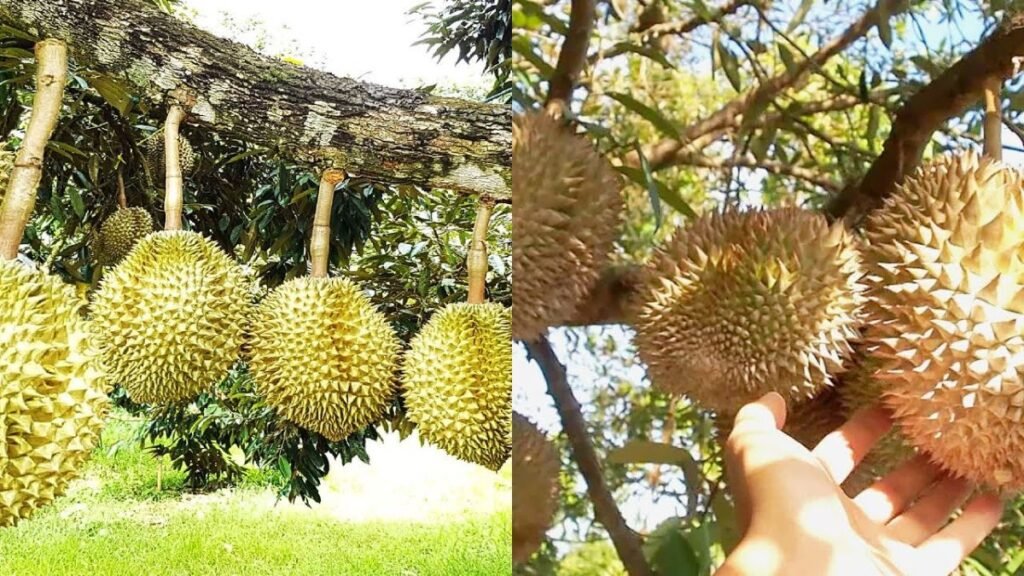
Durian seedlings benefit from organic fertilizers. Compost or vermicompost works well. Start fertilizing after two months. Apply fertilizer once every four weeks. Avoid chemical fertilizers early. Nutrients support leaf and stem growth. Healthy feeding improves resistance. Balanced nutrition ensures steady development.
Transplanting Durian Seedlings
As seedlings grow, transplant them into larger containers. Choose deep pots for strong roots. Handle roots carefully to avoid damage. Use fresh soil during transplanting. Water immediately after transplant. Allow recovery time. Transplanting prevents root congestion. This step supports long-term growth.
Common Problems During Early Growth
Yellowing leaves often indicate overwatering. Slow growth may be due to low sunlight. Fungal infections occur in poor drainage. Pests are rare but possible. Neem oil helps control insects. Early detection prevents damage. Regular observation helps. Healthy care avoids most issues.
Growth Timeline of Durian Tree
Durian trees grow slowly in early years. Seedlings focus on root development first. Leaves increase gradually. Visible height growth takes months. Fruit production takes many years. Understanding timeline prevents frustration. Long-term commitment is required. Patience brings rewards.
Indoor vs Outdoor Durian Growing
Indoor growing allows controlled conditions. Outdoor growing supports faster growth in warm climates. Indoor plants need large space later. Outdoor trees need protection from cold. Choose based on location. Both methods can succeed. Adapt care accordingly. Planning ahead is important.
Can Durian Trees Bear Fruit at Home
Yes, durian trees can bear fruit at home with ideal conditions. However, fruiting takes seven to ten years. Cross-pollination improves fruit set. Many home growers focus on tree growth. Fruit production is a long-term goal. Proper care increases chances. Patience is essential. Rewards are significant.
Table: Durian Seed Planting Requirements
| Aspect | Requirement |
|---|---|
| Seed Freshness | Very fresh seeds |
| Soil Type | Loose and fertile |
| Sunlight | Partial to full |
| Watering | Regular but moderate |
| Climate | Warm and humid |
Seasonal Care Tips
During summer, water more frequently. In rainy seasons, ensure drainage. Protect plants from extreme weather. Reduce watering in cooler periods. Seasonal care prevents stress. Adjusting care improves survival. Plants respond better to changes. Observation is key.
Benefits of Growing Durian from Seed
Growing durian builds gardening skills. It connects people with tropical farming. Homegrown trees improve environment. Even without fruit, the tree is beautiful. Gardening reduces stress. Growing trees supports sustainability. Durian trees are long-term investments. Small efforts matter.
Long-Term Maintenance of Durian Trees
Prune dead branches carefully. Maintain soil fertility. Monitor pests regularly. Provide enough space. Mulch soil to retain moisture. Support young trunks if needed. Long-term care ensures healthy trees. Consistency brings success.
Conclusion
Planting durian seeds at home is challenging but rewarding. With proper preparation and care, success is possible. Focus on fresh seeds, good soil, and warm conditions. Avoid common mistakes. Be patient and observant. Durian trees grow slowly but strongly. Start your journey today. Nature rewards dedication.