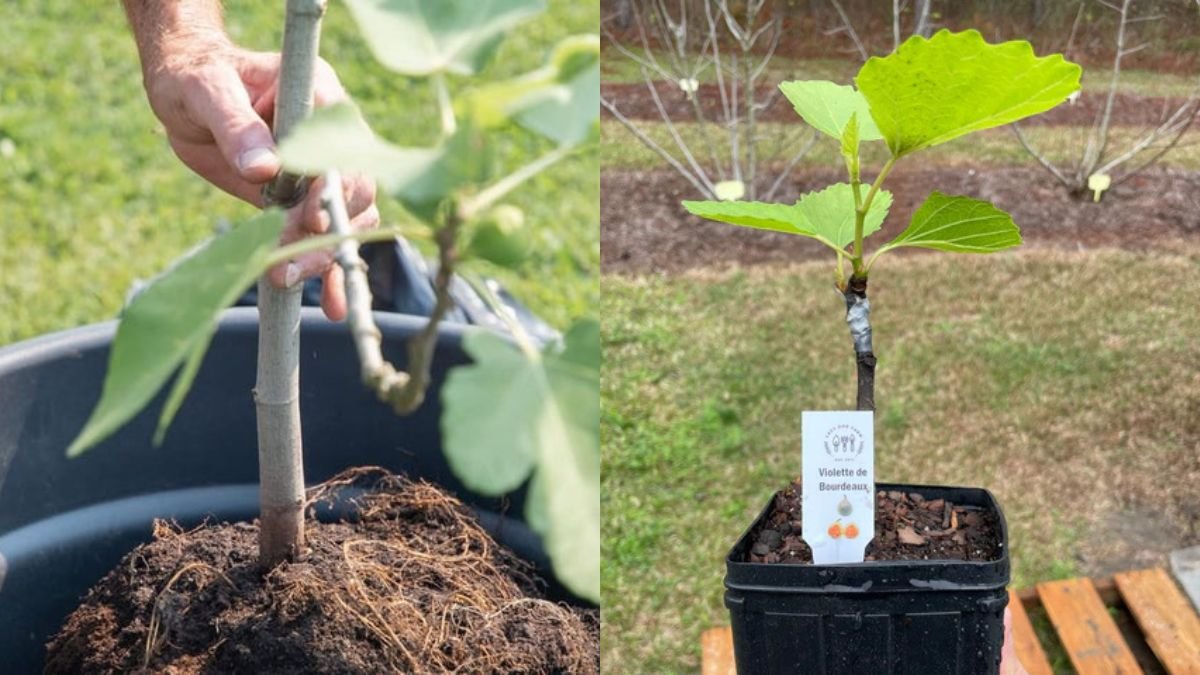
1. Introduction to Growing Fig Trees from Cuttings
Growing fig trees from cuttings is one of the easiest ways to start a productive tree at home. Unlike seeds, cuttings produce faster results and maintain the same fruit quality as the parent tree. Fig cuttings can root successfully with minimal effort if prepared correctly. Home gardeners prefer this method for its high success rate. Fig trees grown from cuttings adapt quickly to the soil and local climate. They establish roots faster than seed-grown plants. With simple tools, anyone can propagate fig trees at home. This method also reduces waiting time for the first harvest.
2. Why Fig Cuttings Are Preferred Over Seeds
Seed-grown fig trees take years to produce fruit and may vary in quality. Cuttings, however, maintain the characteristics of the parent plant. They grow faster, require less care initially, and produce fruit sooner. Gardeners save time and effort with cuttings. Cuttings are also easier to manage in pots or small gardens. They adapt quickly to new environments. Predictable fruit quality is an added advantage. This makes cuttings ideal for both beginners and experienced gardeners.
3. Selecting the Right Fig Variety
Fig trees come in multiple varieties, including Black Mission, Brown Turkey, and Kadota. Each variety has different fruiting seasons and flavor profiles. Black Mission is sweet and dark, while Brown Turkey is hardy and high-yielding. Kadota produces light green figs and adapts to warmer climates. Choose a variety suitable for your region. Consider taste preference and growth habit. Disease resistance is also important. The right variety ensures successful propagation.
4. Choosing Healthy Cuttings
Healthy cuttings are essential for a successful start. Select young, vigorous, and disease-free branches. The cutting should be semi-hardwood, about six to twelve inches long. Avoid soft or damaged stems. Cuttings should have several nodes for root initiation. Mature segments root faster than very young shoots. Remove any dried leaves. Healthy cuttings increase the chances of survival.
5. Preparing Cuttings for Planting
Trim the cutting just below a node. Remove all small leaves except a few at the tip. Allow cut ends to dry for a day or two. This process reduces fungal infections. Some gardeners dip cut ends in rooting hormone for faster rooting. Avoid planting freshly cut branches immediately. Proper preparation is critical for successful establishment. Healthy cuttings ensure strong root development.
6. Choosing the Best Planting Season
Late winter or early spring is ideal for fig cutting propagation. The plant is still dormant and less prone to stress. Avoid planting in extreme heat or heavy rains. Correct timing improves rooting success. Seasonal awareness enhances early growth. Planting during the dormant phase ensures rapid establishment. Timing is crucial for a strong start. Proper planting season reduces losses.
7. Selecting the Right Soil
Fig trees grow best in well-draining soil. Sandy loam or a mix of garden soil and compost works well. Avoid heavy clay that retains water. Well-aerated soil supports root development. A slightly acidic to neutral pH is ideal. Organic matter boosts nutrients. Proper soil ensures strong growth. Good soil prevents rotting during rooting.
8. Planting Fig Cuttings Step by Step
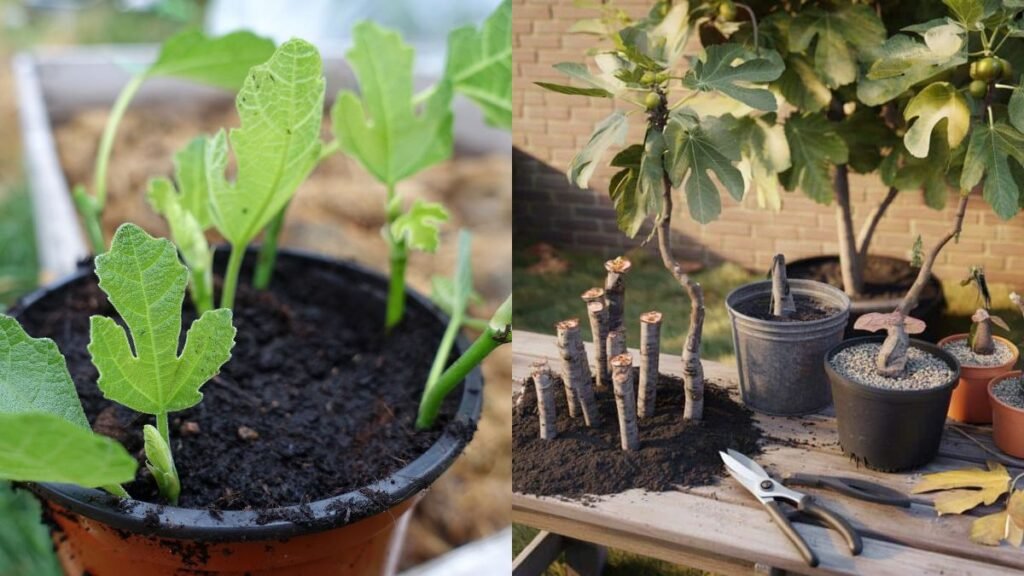
Make a hole in prepared soil about four to six inches deep. Insert the cutting upright. Firm the soil gently around the base. Ensure the top few nodes remain above soil. Water lightly after planting. Avoid deep burial that may rot the cutting. Position cuttings in a shaded area initially. Correct planting ensures faster rooting.
9. Container vs. Ground Planting
Cuttings can grow in containers or directly in the garden. Containers are ideal for terraces or limited spaces. Ensure proper drainage in pots. Ground planting allows roots to spread freely. Both methods require support during growth. Containers help monitor watering and nutrition easily. Choice depends on space availability. Both methods yield excellent results.
10. Watering Schedule
Water the cutting lightly but regularly. Keep soil moist but not soggy. Overwatering causes rot while underwatering slows root growth. Morning watering is recommended. Gradually increase water as roots establish. Mulching helps retain moisture. Balance is key to fast growth. Proper watering ensures healthy cuttings.
11. Sunlight Requirements
Initially, provide partial shade to prevent stress. After roots establish, shift to full sun for optimal growth. Fig trees require six to eight hours of sunlight. Proper light exposure promotes stronger stems. Avoid excessive heat in the early stage. Sunlight enhances leaf development and fruiting potential. Gradual acclimatization ensures healthy growth.
12. Fertilization Tips
Do not fertilize immediately after planting. Wait until new growth appears. Use light organic compost or balanced fertilizers. Nitrogen supports leaf growth, phosphorus aids root development, potassium enhances overall health. Avoid overfeeding young cuttings. Proper nutrition accelerates establishment. Balanced feeding ensures strong roots and leaves.
13. Rooting Timeline
Cuttings generally take three to six weeks to form roots. Root development varies with climate, soil, and care. Check gently for resistance before moving the plant. Once rooted, new shoots appear rapidly. Early care affects rooting speed. Healthy roots determine future fruiting. Proper attention ensures quick establishment. Rooting success increases survival rate.
14. Pruning for Strong Growth
Once shoots appear, prune lightly to encourage branching. Remove weak or damaged stems. Pruning directs energy to strong growth. Proper shaping improves airflow and sunlight exposure. Branching later supports flowering and fruiting. Avoid excessive pruning in early stages. Gentle care develops structure. Pruning improves productivity long-term.
15. Pest and Disease Prevention
Young fig cuttings are vulnerable to fungal infections. Use fungicide sprays if needed. Keep surrounding area clean. Avoid overwatering and stagnant soil. Inspect regularly for pests like aphids or mealybugs. Early detection prevents severe damage. Healthy cuttings resist disease better. Preventive care ensures survival.
16. Transplanting to Permanent Location
Once rooted and strong, transplant to a larger pot or garden. Dig a hole twice the size of the root ball. Backfill with nutrient-rich soil. Water immediately after transplanting. Protect from harsh sunlight initially. Gradual acclimatization reduces stress. Strong transplanting supports growth. Proper relocation ensures higher survival.
17. Expected Growth and Fruit Yield
Cutting-grown fig trees grow faster than seed-grown plants. Fruit production may begin in two to three years. Healthy care accelerates flowering. Yield improves yearly. Mature trees produce abundant figs. Quality remains true to the parent plant. Regular pruning and fertilization increase fruit size. Patience and care reward gardeners.
18. Benefits of Growing Fig Trees from Cuttings
Cuttings save time and effort. Fruit quality is predictable. Growth is faster and easier to manage. Suitable for home gardens and small spaces. Beginners achieve results quickly. Trees adapt well to local climates. Cost-effective propagation method. Overall, cuttings maximize efficiency and yield.
19. Tips for Beginners
Select healthy cuttings. Cure cut ends before planting. Provide shade initially. Maintain balanced water and nutrition. Monitor pests regularly. Use containers if space is limited. Prune gently after rooting. Follow these tips for successful propagation.
20. Conclusion
Growing fig trees from cuttings is simple, fast, and rewarding. Proper selection, planting, and care ensure strong growth. Cuttings root quickly and produce fruit earlier than seeds. Home gardeners can achieve success with minimal effort. Attention to water, light, and soil guarantees survival. Patience produces healthy trees. Fruit quality is consistent with parent plant. Fig cuttings are the easiest path to a productive fig tree.
📊 Table: Fig Cutting Growth Overview
| Stage | Requirement | Approximate Time |
|---|---|---|
| Curing | Air drying | One to two days |
| Rooting | Moist, well-drained soil | Three to six weeks |
| Vegetative Growth | Sunlight and support | First six months |
| Fruiting | Mature plant | Two to three years |