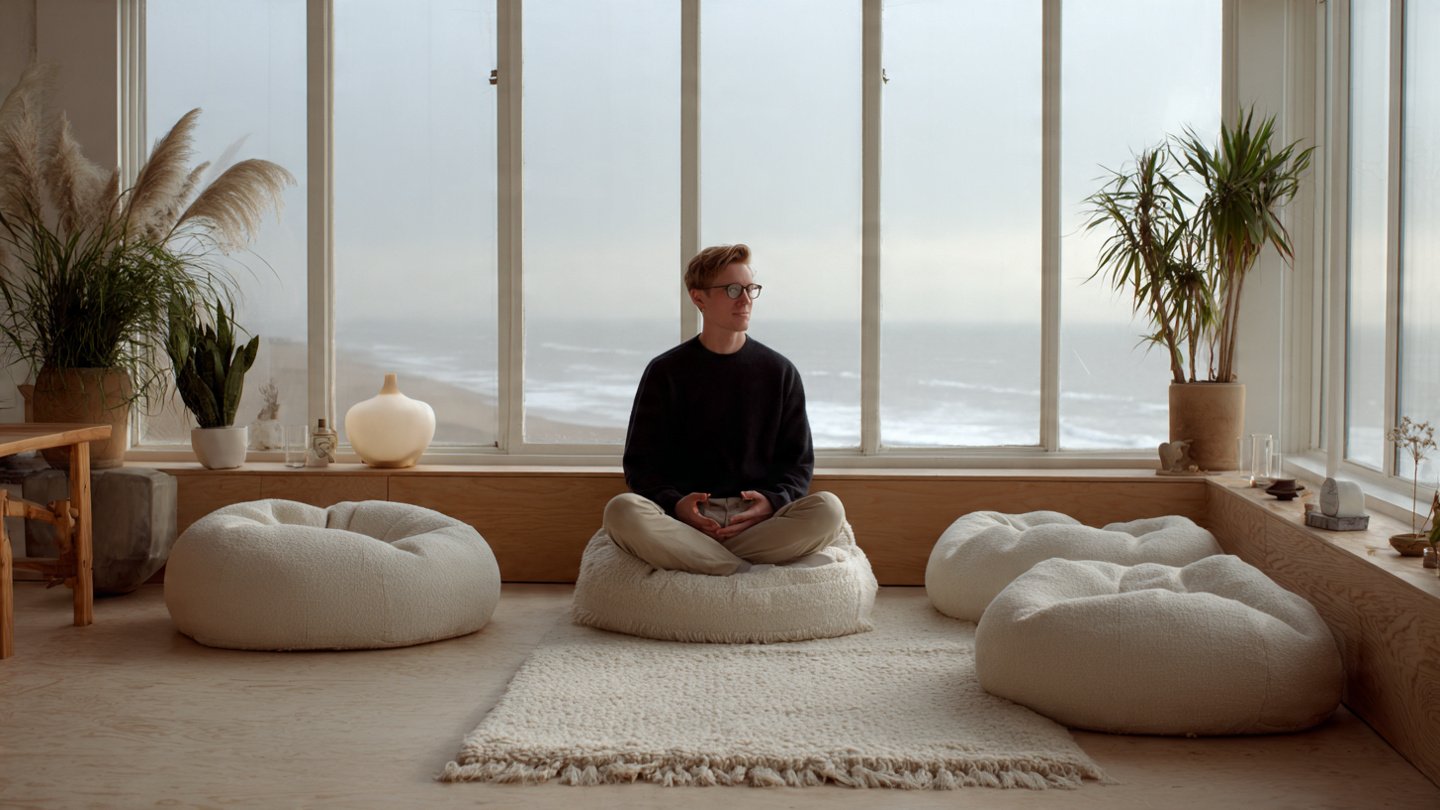
In today’s fast-paced world, where chaos and stress seem to be the norm, creating a serene and relaxing environment is paramount for mental well-being. This serene environment is often greatly influenced by the order and organization of physical spaces. Order does not merely imply cleanliness; it encompasses the arrangement, purpose, and visual appeal of items within a space. This article explores the multifaceted relationship between order and relaxation, examining how a well-structured environment can cultivate calm spaces conducive to peace and tranquility.
The Psychology of Order
To understand the role of order in creating calm spaces, we must first delve into the psychology of order. Research indicates that our surroundings significantly impact our mood and mental health. A disorganized space can lead to heightened stress and anxiety levels, while an orderly environment can foster feelings of calmness and control.
When we have a clutter-free space, our minds are less distracted. This can enhance our focus and productivity, allowing us to relax more effectively. An orderly environment promotes a sense of responsibility, structure, and predictability, all of which are crucial for mental clarity.
Creating Order in Physical Spaces
Creating an ordered space involves intentional organization and decluttering. Here are key steps to create calm spaces through effective ordering:
1. Minimize Clutter
Begin by reducing the number of items in your space. Clutter can be overwhelming and distracting. Evaluate each item you own and ask yourself whether it contributes positively to your life. If it doesn’t, consider donating or discarding it.
2. Organize with Purpose
Once you’ve decluttered, think about how you use your space. Organize items in a way that makes sense for your daily activities. For example, if your living room is a space for relaxation, ensure that everything supports that purpose—comfortable seating, soothing colors, and calming decor.
3. Create Zones
Different activities require different atmospheres. For instance, designate areas for reading, meditating, or practicing yoga. By clearly defining these zones, you create a more structured environment that naturally encourages relaxation.
The Aesthetics of Order
Order is not merely functional; it is also an aesthetic choice. The arrangement of colors, textures, and furniture can significantly influence your emotional state. A harmonious aesthetic contributes to a calm atmosphere. Here’s how you can cultivate this:
1. Color Scheme
Colors have a psychological impact on mood. Soft, neutral colors like pale blues, greens, and grays can create a tranquil atmosphere. By using a cohesive color palette, you can enhance the sense of order in your space.
2. Natural Elements
Incorporating natural elements such as plants or water features can evoke feelings of peace and serenity. The presence of greenery not only beautifies a space but also improves air quality, further contributing to a relaxing environment.
3. Balanced Furnishings
Choose furniture that aligns with the overall aesthetic and function of the space. Items should not only be visually appealing but also practical. Invest in comfortable, ergonomic furniture that invites relaxation.
The Sensory Experience of Order
Creating a calm space also involves engaging the senses. Consider how you can appeal to touch, sight, sound, and smell to enhance your environment:
1. Textures
Incorporate a variety of textures to create a tactile experience. Soft cushions, plush rugs, and smooth surfaces can invite comfort and relaxation. Choose materials that contribute to a warm and welcoming environment.
2. Ambient Sound
Sound plays a crucial role in how we perceive our environment. Consider incorporating calming sounds, such as soft music, nature sounds, or white noise machines, to mask distracting noises and enhance tranquility.
3. Scent
Sensory elements like scent can significantly affect mood. Use essential oils, candles, or incense with calming scents like lavender, chamomile, or sandalwood to promote relaxation.
Maintaining Order for Consistent Calm
Creating and organizing a calm space is just the first step; maintaining that order is equally vital. Regularly assess your space and keep it tidy. Establish routines for cleaning and organizing to ensure your environment continues to support relaxation.
Consider adopting minimalist principles. The goal isn’t just to remove clutter but to keep only those items that enhance your life and provide joy. This practice cultivates mindful awareness and fosters a continuous sense of calm.
Conclusion
The cultivation of calm spaces through order is not merely an aesthetic endeavor; it is a vital element of overall well-being. An organized, serene environment has profound effects on mental health, enhancing focus, reducing stress, and promoting relaxation. By embracing the principles of order in our physical spaces, we can create personalized sanctuaries that nurture tranquility. The journey toward creating such environments may require effort and intention, but the rewards of peace and calm are well worth it.
FAQs
1. How often should I declutter my space?
It’s beneficial to declutter your space at least once every few months. However, regular, smaller decluttering sessions can help maintain order more effectively.
2. What are some easy ways to organize a small space?
Use multifunctional furniture, vertical storage options, and avoid overcrowding surfaces. Keeping items in baskets or bins can also help maintain order.
3. Can color impact my mood in a space?
Yes, colors can have a psychological effect. Softer, muted colors are generally more calming, while brighter colors can energize and stimulate.
4. How can I create a relaxing atmosphere without spending much?
Utilize items you already have, rearrange furniture for better flow, use natural elements like plants, and focus on decluttering to create a sense of order.
5. Are there specific scents that promote relaxation?
Yes, scents such as lavender, chamomile, and sandalwood are known for their calming effects and can contribute significantly to a relaxing atmosphere.