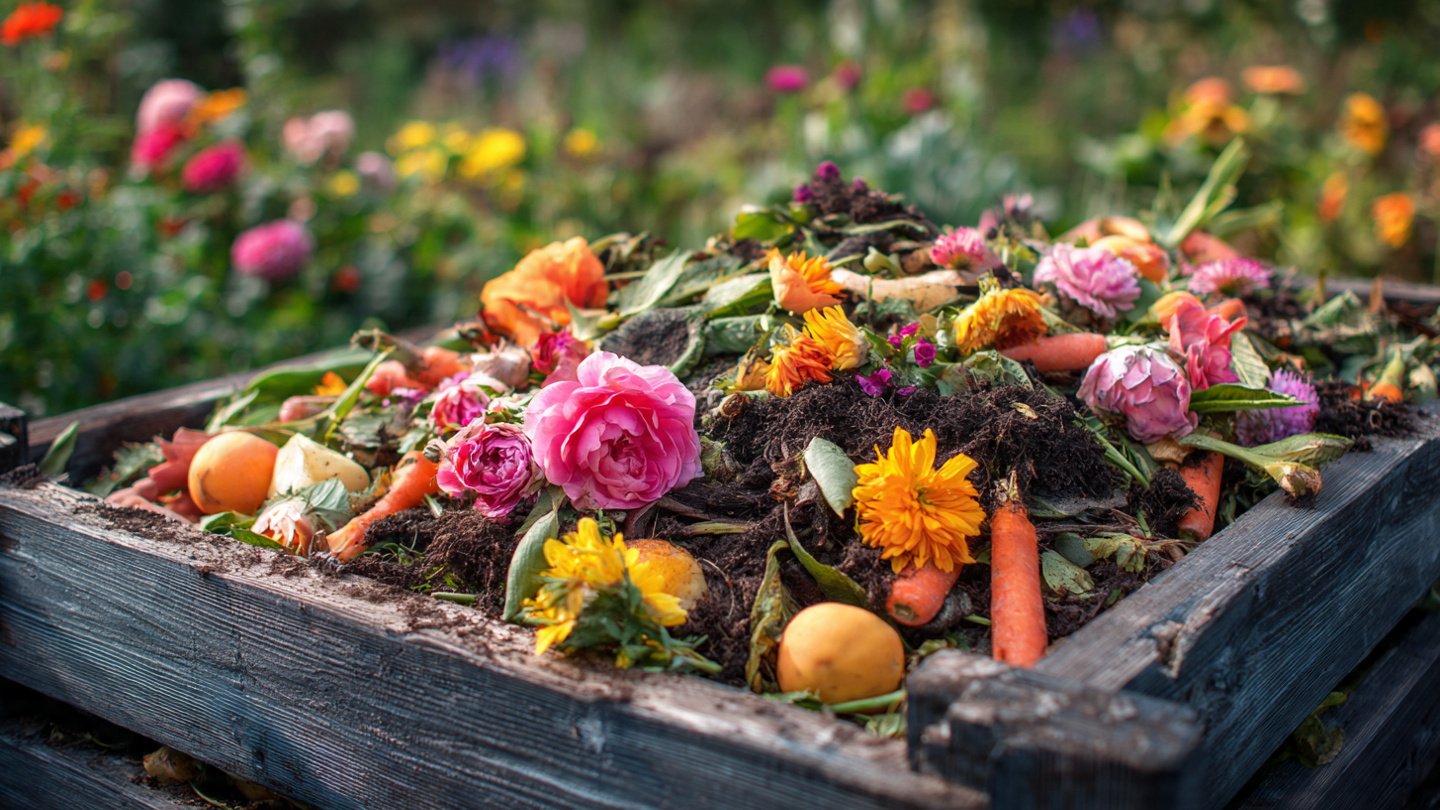
Composting is a cornerstone of sustainable gardening, turning organic waste into nutrient-rich soil amendments. However, managing the conditions within a compost bin is crucial to its effectiveness. Among various factors, temperature plays a significant role in the composting process. High temperatures can have both beneficial and detrimental consequences. This article explores the implications of elevated temperatures in compost bins, how to manage temperature effectively, and how these factors ultimately affect successful gardening.
The Science of Composting
Before diving deep into the implications of high temperatures, it’s important to understand the composting process. Composting relies on microbial activity to break down organic matter. As these microorganisms consume the material, they generate heat. The decomposition progresses through several stages:
- Mesophilic Stage (68°F to 113°F): This initial phase is characterized by the activity of mesophilic bacteria. They thrive at moderate temperatures, breaking down easily degradable organic matter.
- Thermophilic Stage (113°F to 160°F): As the temperature rises, thermophilic bacteria take over. They effectively decompose tougher materials like cellulose and lignin and can eradicate pathogens and weed seeds.
- Cooling and Maturation (below 113°F): After reaching peak temperatures, the compost begins to cool down as the easily degradable materials are exhausted. This stage allows for maturation, where remaining organic matter is further broken down.
Understanding this process sets the stage for exploring the consequences of high temperatures in compost bins.
Benefits of High Temperatures
While higher temperatures can pose challenges, they also provide significant benefits in the composting process.
1. Sterilization
High temperatures (between 130°F and 160°F) are effective in killing harmful pathogens and weed seeds. This natural sterilization ensures that the final compost is safe for soil application. For gardeners, this characteristic is compelling. Utilizing high-temperature compost can significantly reduce the risk of introducing diseases and pests into the garden.
2. Accelerated Decomposition
Thermophilic bacteria and fungi thrive in elevated temperatures, leading to faster decomposition. This rapid breakdown allows gardeners to produce compost more quickly, which can be especially advantageous for those needing a quick turnaround for planting.
3. Nutrient Enrichment
The accelerated microbial activity at high temperatures results in the release of nutrients, enhancing the compost’s overall quality. Increased nitrogen, potassium, phosphorus, and micronutrients make the compost a potent fertilizer for plants.
Negative Consequences of Excessive Heat
Despite its advantages, excessively high temperatures can adversely affect the composting process and, consequently, the gardening experience.
1. Loss of Nutrients
Temperatures that exceed 160°F can lead to volatile losses of nitrogen, particularly in the form of ammonia gas. While some nutrient loss is expected, significant depletion can reduce the compost’s efficacy as a fertilizer. If nitrogen is not adequately replenished, plants may not receive the essential nutrients they require for optimal growth.
2. Drying Out
High temperatures often lead to evaporation and drying out of composting materials. If moisture levels drop too low, microbial activity can slow significantly or even halt altogether. A dry compost heap can stifle decomposition processes, leading to an unsatisfactory product.
3. Odor Problems
While healthy compost should have an earthy smell, odors can become pronounced in high-heat conditions. Thermophilic decomposition can lead to the release of sulfur compounds and other volatile organic compounds (VOCs), resulting in unpleasant smells. If the compost bin remains odorous, it may deter gardeners from using the compost.
4. Compost Fire Hazard
In extreme situations, particularly with large compost piles, high temperatures can pose a fire hazard. This risk is especially pertinent in dry conditions or when the compost contains high-energy materials like straw or cardboard. While rare, the possibility of spontaneous combustion should not be overlooked by gardeners.
Managing Temperature in Compost Bins
To harness the benefits and mitigate the adverse effects of temperature fluctuations, effective temperature management is crucial.
1. Thermophilic Management
Regular monitoring of compost temperature is essential. An ideal compost temperature should range between 130°F and 160°F. Use a compost thermometer to measure heat levels. If temperatures spike above 160°F, consider turning the compost to aerate it, allowing cooler air to enter. Aeration also redistributes materials, facilitating even decomposition.
2. Balancing Carbon and Nitrogen
Maintaining the right balance between carbon-rich (brown) and nitrogen-rich (green) materials is key in controlling temperature. A carbon-to-nitrogen (C:N) ratio of about 30:1 is optimal for effective microbial activity. Incorporating more greens (like kitchen scraps) can raise temperature levels, while adding additional browns (like dry leaves) can help lower them.
3. Moisture Levels
Maintaining adequate moisture levels should also be a priority. The compost pile should feel like a wrung-out sponge—damp but not soggy. If the heat causes the compost to dry out, adding water or moist materials can help restore balanced moisture levels, promoting continued microbial activity.
4. Proper Aeration
Adequate aeration is crucial for maintaining temperature. Regularly turning the compost pile allows for oxygen influx and can help cool down excessive temperatures. Using a compost aerator tool can facilitate this process more efficiently compared to manual turning.
5. Site Selection and Bin Design
The compost bin’s location and design can impact temperature. Positioning the bin in a shaded area can prevent overheating during hot weather. Additionally, insulating the bin or using a larger bin can maintain consistent temperatures and moisture levels.
Implications for Successful Gardening
The consequences of high temperatures in compost bins cascade down to the garden itself. Understanding these impacts allows gardeners to make informed choices about compost management strategies, ultimately leading to more productive gardening.
1. Soil Health
Healthy soil is the foundation of successful gardening. Quality compost, enriched with essential nutrients and free of pathogens, fosters vibrant plant growth. Managing compost temperatures effectively can lead to the development of nutrient-rich compost that enhances soil fertility.
2. Plant Health
Balanced nutrient levels directly impact plant health. If compost is nutritionally deficient due to high temperatures, plants may exhibit stunted growth, yellowing leaves, or reduced yields. Conversely, quality compost produced under optimal temperatures supports robust plants.
3. Pest and Disease Management
Utilizing well-composted materials minimizes the risk of introducing pests and diseases to the garden. High temperatures in compost bins help eliminate potential threats, allowing gardeners to cultivate healthier plants with fewer chemical interventions.
4. Sustainability Practices
Effective composting practices not only benefit individual gardens but also contribute to a more sustainable approach to waste management. Engaging in responsible composting reduces landfill waste, lowers carbon footprints, and supports local ecosystems.
Conclusion
The relationship between high temperatures in compost bins and successful gardening is multifaceted. While elevated temperatures can accelerate decomposition and enhance nutrient profiles, they can also lead to significant drawbacks like nutrient loss, drying out, and unpleasant odors. Understanding and managing these variables is crucial for gardeners aiming to harness the potent benefits of compost.
Creating a balanced compost environment through careful attention to aeration, moisture, and material composition encourages optimal microbial activity, ensuring a high-quality final product. When approached thoughtfully, proper compost management can yield rich rewards in the garden—resulting in healthy soils, thriving plants, and sustainable practices that contribute positively to both the environment and our food systems. As the old adage goes, “you reap what you sow”; this holds true for compost as much as for any other aspect of gardening.