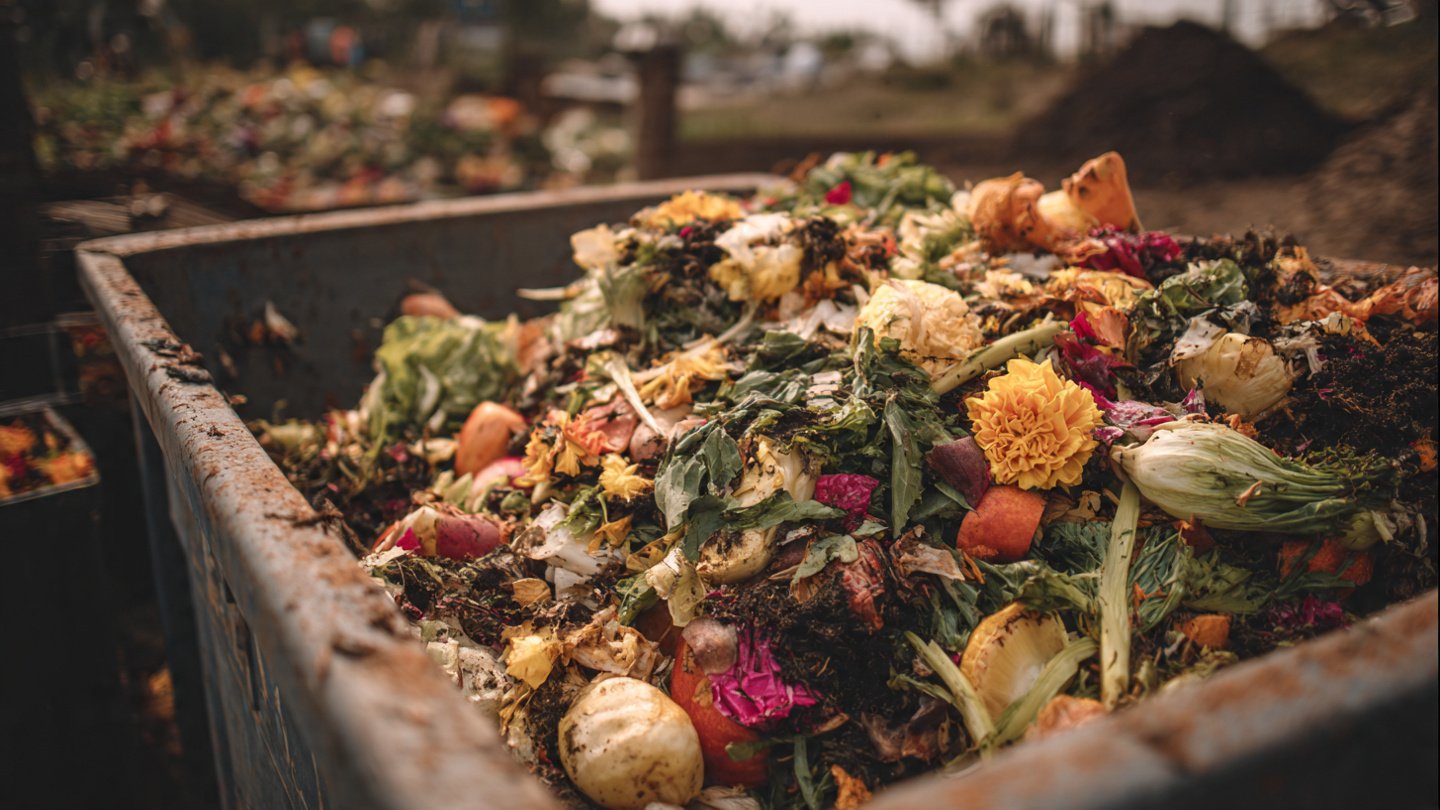
Composting is a sustainable practice that transforms organic waste into nutrient-rich soil. However, managing compost bins requires attention to several dynamic factors, one of which is temperature. An overheated compost bin can lead to a range of adverse outcomes, from reduced efficiency to environmental problems. Understanding the consequences of overheating is paramount for anyone engaged in composting, whether for personal gardening or larger-scale agricultural purposes.
The Basics of Composting
Before diving into the specifics of overheating, it’s essential to grasp how composting works. An effective compost pile relies on a balanced mix of carbon (browns), nitrogen (greens), water, and oxygen. Microorganisms break down this organic material, generating heat in the process. Ideal temperatures for composting typically range from 130°F to 160°F (54°C to 71°C). This range supports microbial activity while also inhibiting pathogens and weed seeds.
The Thermophilic Phase
The thermophilic phase signifies the peak of microbial activity, generating high temperatures. When the compost pile achieves this stage, it is often a sign of successful decomposition. Within this phase, temperatures that exceed the optimum range can indicate underlying issues that necessitate attention.
Consequences of Overheated Compost
1. Loss of Nutrients
When compost reaches excessively high temperatures, it can lead to nutrient volatilization. Essential elements like nitrogen, sulfur, and certain micronutrients can be lost in the steam and gases released during decomposition. This not only diminishes the quality of the compost but also results in lower efficacy when applied to gardens or crops.
2. Microbial Die-Off
While certain microorganisms thrive at higher temperatures, excessive heat can lead to the die-off of beneficial microbes. This reduction in microbial diversity impacts the compost’s ability to break down organic matter effectively. The surviving organisms may not be sufficient to maintain the composting process, potentially stalling or even reversing decomposition.
3. Poor Aeration
Overheating often correlates with poor aeration, a fundamental principle of aerobic composting. When compost becomes too dense or compacted, air pockets can form, leading to anaerobic conditions. These conditions favor the growth of harmful bacteria which produce methane, a potent greenhouse gas, rather than the beneficial microorganisms necessary for effective composting. The result can be an unpleasant odor and a compost product that is less beneficial for soil health.
4. Increased Pathogen Survival
Ironically, while the thermophilic phase is meant to kill pathogens, overheating can sometimes have the opposite effect. Some pathogens are thermotolerant and may survive in overly hot compost. This is particularly concerning if the compost is used in gardens or for growing food, where human health could be at risk.
5. Reduced Carbon Sequestration
The high temperatures associated with overheated compost can lead to accelerated decomposition and, consequently, faster carbon release back into the atmosphere rather than its intended long-term storage in the soil. This counteracts one of the primary benefits of composting — sequestering carbon to mitigate climate change.
6. Altered Carbon to Nitrogen Ratio
In an overheated compost situation, the carbon-to-nitrogen (C:N) ratio can be skewed. Ideally, this ratio should be around 30:1. If the compost pile burns through nitrogen rapidly due to high temperatures, the decomposition process may shift towards carbon-dominant materials. This imbalance can delay maturation, rendering the compost less usable for its intended purposes.
7. Loss of Aerobic Conditions
Overheating can lead to conditions where aerobic beneficial bacteria cannot survive, causing a shift to anaerobic decomposition. Anaerobic conditions are associated with the production of foul-smelling gases like hydrogen sulfide and ammonia, which can be detrimental to nearby plants and soil health. The end product may become toxic rather than beneficial.
8. Increased Energy Input for Management
A compost bin that consistently overheats incurs more labor for management. Composters may have to frequently turn the pile, add water, or incorporate more browns to stabilize temperatures. This additional labor can deter both novice and experienced composters, leading to ineffective compost management.
Strategies to Prevent Overheating
Understanding the consequences of overheating is vital, but implementing strategies for temperature management can further enhance the benefits of composting. Here are some actionable tips:
Monitor Temperature Regularly
Regularly checking the temperature of the compost bin will allow for proactive temperature management. Utilizing a compost thermometer provides an accurate reading of the compost’s internal temperature and can help identify overheating early.
Turn the Pile Frequently
Aerating the compost pile by turning it helps to maintain optimal temperatures. This practice introduces oxygen, encourages microbial activity, and can cool down the pile if temperatures begin to exceed the ideal range.
Adjust the Mix of Ingredients
Balancing carbon and nitrogen materials is critical for effective composting. Adding more browns (like dry leaves, straw, or cardboard) can help absorb some of the excessive moisture and nitrogen, thus cooling down the compost.
Ensure Sufficient Moisture
Water is a key ingredient in composting, balancing the heat generated by microbial activity. Maintaining appropriate moisture levels is crucial for preventing overheating. If the compost is too dry, add water slowly while mixing to distribute moisture evenly.
Choose BIN Design Wisely
The design of the compost bin can affect its temperature. Bins with good ventilation allow for better airflow, reducing the chances of overheating. Consider bins that promote vertical airflow or those with adjustable openings to manage heat efficiently.
Use a Larger Pile
A smaller compost pile may heat up too quickly due to its compact nature. A larger pile allows for better temperature regulation and energy dissipation. Aim for a pile that is at least 3 cubic feet (about 1 cubic meter) to maintain stability.
Conclusion
Overheated compost can have serious ramifications on both the composting process and the final product. From loss of nutrients to diminished microbial activity, the effects ripple throughout the composting ecosystem. Understanding the consequences allows composters to take proactive steps to manage temperature, ensuring a fertile, healthy compost that benefits both gardens and the environment.
By conducting regular checks, balancing materials, and utilizing effective management techniques, composters can create a thriving ecosystem that contributes positively to sustainable gardening practices. Mastery of composting, therefore, hinges on understanding and preventing overheating, allowing the art and science of composting to flourish.