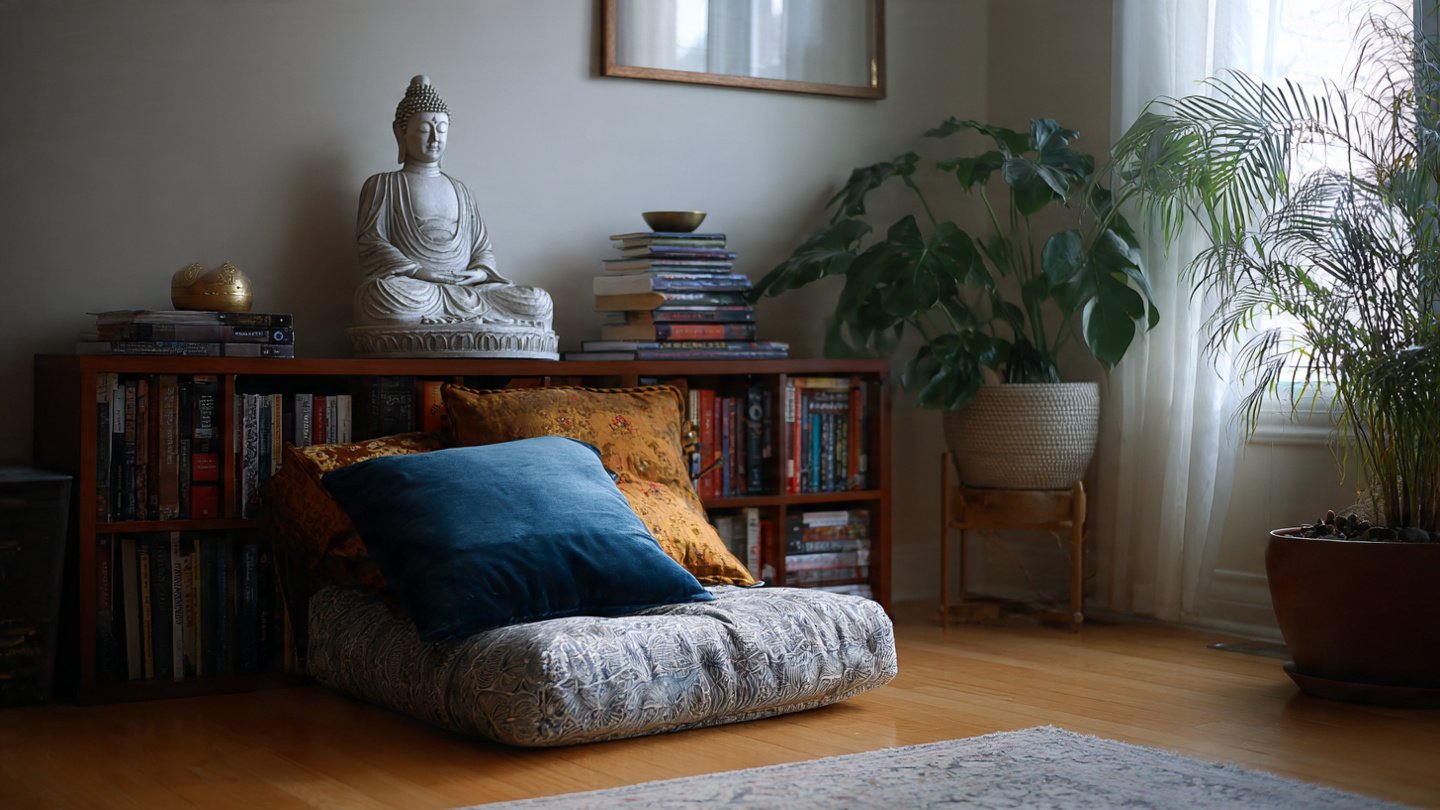
In our increasingly chaotic world, finding moments of calmness can feel elusive. One effective way to cultivate tranquility is through the organization of our spaces. The physical environment we inhabit has a profound impact on our mental state. When our surroundings are cluttered and disordered, our minds often mirror that chaos, leading to feelings of stress and anxiety. Conversely, organized spaces can foster peace and mindfulness, creating an atmosphere that is not only more conducive to focus but also enhances overall well-being.
Understanding Mindfulness
Mindfulness is the practice of being present and fully engaged in the moment, without judgment. It involves paying attention to our thoughts, feelings, and sensations, allowing us to become more aware of ourselves and our environment. By embracing mindfulness, we can cultivate a greater sense of peace and clarity. This state of mind is crucial in an era where distractions are ubiquitous, and stressors seem to be around every corner.
Why Organized Spaces Matter
The environment in which we live and work plays a crucial role in shaping our mental landscape. Research has shown that clutter can lead to feelings of stress, overwhelm, and anxiety. In contrast, organized spaces help facilitate focus and calm. Here are some reasons why organized spaces are essential for promoting mindfulness:
- Reduction of Stress: Clutter can overwhelm our senses, causing stress and distraction. A tidy space can alleviate that burden.
- Enhanced Focus: An organized environment allows for better concentration and productivity, as there are fewer distractions vying for our attention.
- Promotes Clarity: A neat space can promote mental clarity, enabling us to think more clearly and creatively.
- Encourages Positive Habits: A well-ordered environment promotes positive behavior, encouraging us to maintain organization and mindfulness in our daily lives.
How to Create an Organized Space for Mindfulness
Embracing calmness through organized spaces requires intentionality and effort. Here are practical strategies to help you create environments that nurture mindfulness:
1. Declutter Regularly
The first step in creating an organized space is decluttering. Take time to go through items in your home or workspace. Keep only what you need or what brings you joy. This process can be both liberating and grounding, allowing you to make space for what truly matters.
2. Designate Specific Areas
Assign specific areas for different activities. For example, have a dedicated workspace, a relaxation nook, and an area for creative projects. This segregation allows your brain to associate each space with a particular mindset, facilitating mindfulness.
3. Use Color and Light Wisely
Colors and lighting can significantly affect your mood. Soft, natural light and calming colors, like blues and greens, can create a serene environment. Consider using warm yellow hues for spaces meant for creativity and productivity.
4. Incorporate Natural Elements
Bringing nature indoors can enhance your sense of calmness. Consider incorporating plants, flowers, or even water features. Natural elements not only beautify spaces but also promote well-being and mindfulness.
5. Simplify Your Decor
Choose decor that resonates with you but keep it minimal. A clutter-free aesthetic can help maintain a peaceful atmosphere. Consider art pieces that inspire calmness and joy.
6. Create a Cleaning Routine
Establish a regular cleaning routine to maintain order. Dedicate a few minutes each day to tidying up spaces, ensuring they remain organized. Consistency is key to enjoying the benefits of a calm environment.
Mindfulness Practices to Pair with Organized Spaces
While organizing your space is essential, coupling it with mindfulness practices can enhance the overall impact on your mental well-being. Here are some practices to consider:
1. Meditation
Spend a few minutes daily in meditation, focusing on your breath and the sensations in your body. Choose a quiet, organized space that feels inviting to cultivate a deeper practice.
2. Journaling
Writing down your thoughts and feelings can be a powerful mindfulness practice. Create a dedicated spot where you can journal with ease, surrounded by tranquility.
3. Mindful Breathing
Take breaks during your day to practice mindful breathing. In a calm space, focus on inhaling deeply and exhaling slowly, allowing the stress to melt away.
4. Engage in Gentle Movement
Yoga or gentle stretching can foster a mindful connection to your body. Practice in a serene space, and consider using calming scents to enhance your experience.
The Long-Term Benefits of Organized Spaces for Mindfulness
The benefits of embracing calmness through organized spaces extend beyond immediate relief from chaos. Over time, creating and maintaining an organized environment can lead to:
- Improved Mental Health: A peaceful space contributes to lower anxiety levels and improved overall mental health.
- Stronger Focus and Creativity: With a clear mind, you may find enhanced creativity and improved focus in your daily tasks.
- Enhanced Productivity: An organized workspace allows for better time management and more efficient work processes.
- Greater Sense of Control: Organization instills a sense of control over your environment, leading to increased confidence and reduced stress.
Conclusion
In conclusion, embracing calmness through organized spaces can be a transformative journey toward mindfulness and well-being. By reducing clutter and creating purposefully arranged areas, you foster an environment that nurtures relaxation, creativity, and mental clarity. Coupling this practice with mindfulness techniques can amplify its benefits, making it easier to find peace amid the chaos of daily life. As you embark on this journey, remember that small changes can lead to significant improvements in your overall mental well-being. Start today, and enjoy the calming influence of organized spaces in your life!
Frequently Asked Questions (FAQs)
1. What are the first steps to decluttering my space?
Begin by selecting one area or room to tackle at a time. Sort through items, deciding what to keep, donate, or discard. Set a timeline and stick with it to avoid feeling overwhelmed.
2. How can I maintain an organized space once I achieve it?
Adopt a daily cleaning routine and establish designated places for all items. Periodically reassess your space to remove any new clutter that collects over time.
3. Can organized spaces enhance productivity?
Yes, an organized space minimizes distractions, allowing for better focus and efficiency in tasks, which can lead to increased productivity.
4. How can I include mindfulness practices in my daily routine?
Incorporate short moments of mindfulness into your day, such as deep breathing, meditation, or mindful walking. Create a schedule that allows for these activities to become a habitual part of your routine.