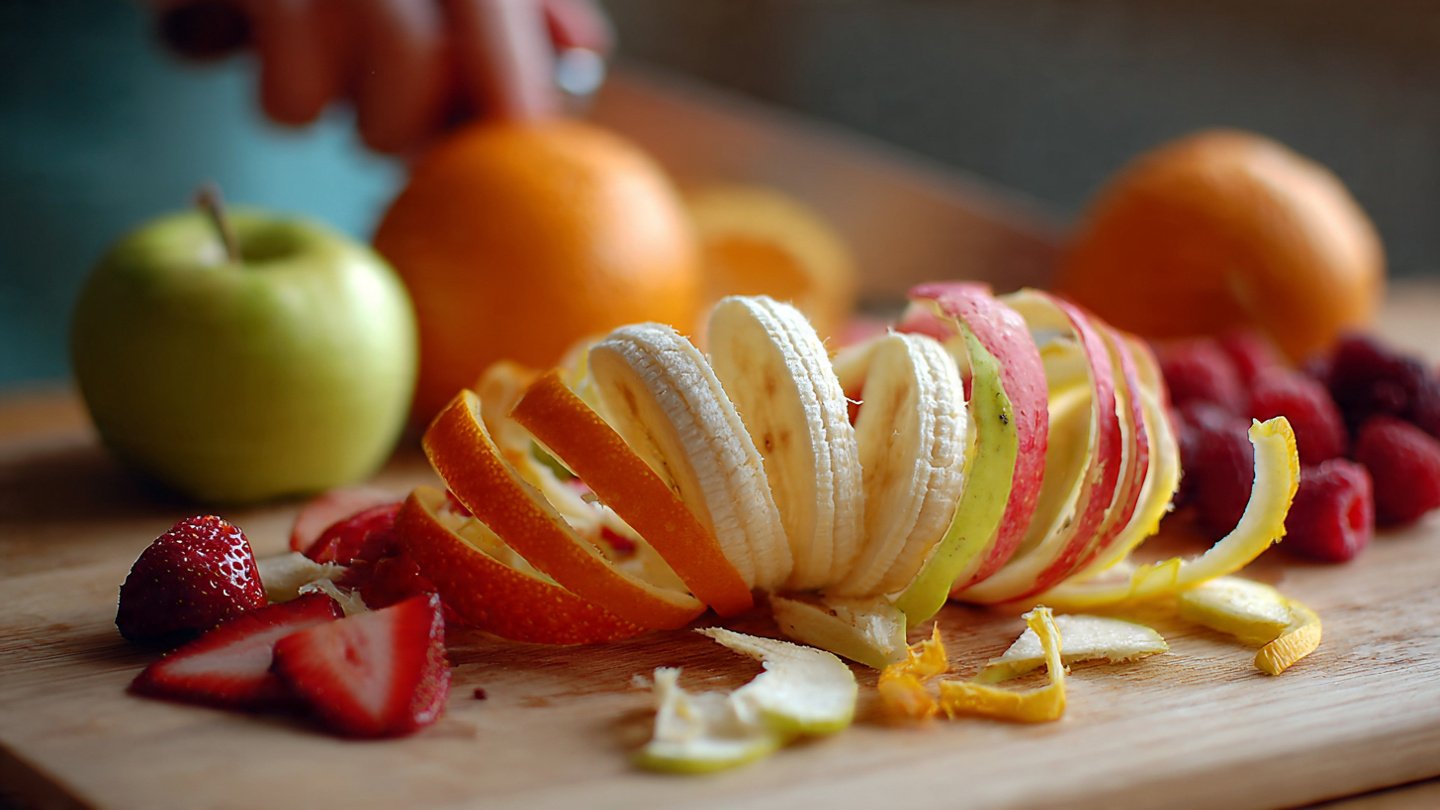
Fruits are celebrated for their vibrant colors, tantalizing flavors, and, most importantly, their nutritional value. Packed with vitamins, minerals, fiber, and antioxidants, they are among the healthiest choices one can make in a diet. However, many people unknowingly compromise the health benefits of fruit by peeling them. This article delves into the hidden dangers of peeling fruits, the nutrients commonly lost in the process, and some strategies to maximize the nutritional value of your favorite fruits.
The Nutritional Value of Fruit Peels
Fruit peels are often a treasure trove of nutrients. Many popular fruits have peels that contain significant amounts of fiber, vitamins, and antioxidants. For instance:
- Apples: The skin of an apple contains nearly half of the fruit’s total fiber content, along with quercetin, a powerful antioxidant known for its anti-inflammatory properties.
- Bananas: Banana peels are rich in potassium and magnesium. Rich in dietary fiber, they can help with digestive health.
- Citrus Fruits: The zest of lemons and oranges is rich in flavonoids and essential oils that have been shown to have anti-cancer properties.
- Potatoes: Though often deemed a vegetable, the skin of a potato is loaded with potassium, vitamin C, and dietary fiber.
This nutritional bounty suggests that peeling fruits could lead you to miss out on crucial health benefits.
The Risks of Nutritional Deficiencies
The modern diet often lacks sufficient fruit and vegetable intake. According to dietary guidelines, adults should consume at least 2 cups of fruit and 2.5 to 3 cups of vegetables daily. When individuals peel their fruits, they may inadvertently decrease their nutrient intake, contributing to deficiencies that can have both short- and long-term consequences.
-
Fiber Deficiency: Fiber is essential for digestion, weight management, and heart health. Removing the skin can significantly lower fiber consumption, leading to digestive issues such as constipation and promoting unhealthy blood sugar levels.
-
Antioxidant Deficiency: Antioxidants fight free radicals and help reduce oxidative stress, which is linked to chronic diseases. The peeling process often removes a substantial amount of these valuable compounds.
-
Vitamin Loss: Certain vitamins, particularly vitamin C and various B vitamins, are often concentrated in the skin or just beneath it. Peeling fruits can lead to a significant reduction in these vitamins, negatively impacting overall health.
Common Peeling Practices and Their Effects
Many people have a habit of peeling specific fruits due to texture preferences or concerns about pesticide residues. However, this practice might be doing more harm than good.
1. Apples
The apple peel contains antioxidants and fiber, both important for heart health. When people peel apples to make pies or for snacking, they discard approximately half of the beneficial compounds. Studies have shown that eating whole apples can lower the risk of stroke and heart disease more effectively than eating peeled apples.
2. Potatoes
While potato skins are often removed for aesthetics or texture when preparing mashed potatoes, this practice can strip away valuable nutrients. With potassium and vitamin C primarily located in the skin, consuming the entire potato maximizes health benefits. Unpeeled potatoes can provide a hearty source of nutrition, especially for individuals seeking to maintain healthy blood pressure.
3. Bananas
Banana peels are edible and rich in fiber, potassium, and other nutrients. Though often thrown away, these peels can be blended into smoothies or cooked in various dishes for added health benefits. Their texture may not appeal to everyone, but creatively incorporating them into meals can enhance fruit nutrient intake significantly.
4. Citrus Fruits
While most people enjoy the juicy segments of oranges and grapefruits, the peel is often discarded. The zest from citrus peels can enhance flavor in various dishes while providing significant health benefits, including improved digestion and enhanced absorption of nutrients.
Pesticides and Safety Concerns
One of the main reasons people opt to peel fruits is their concern about pesticide residue. According to the Environmental Working Group (EWG), some fruits and vegetables are more likely to harbor pesticide residues, leading many consumers to wash or peel them. However, it’s important to note that proper washing can effectively remove most pesticide residues without necessitating peeling.
Best Practices for Washing Fruits
- Rinse Thoroughly: Always wash fruits under running water. Use a soft brush for thicker-skinned fruits to remove dirt and contaminants.
- Soak in Water: For fruits like grapes or strawberries, soaking them in a bowl of water can help release residues. You can even add a little vinegar or baking soda to enhance cleaning.
- Buy Organic When Possible: If pesticides are a significant concern for you, consider purchasing organic fruits, which are less likely to be treated with harmful chemicals.
Strategies to Enjoy Whole Fruits
Fortunately, there are several ways to not only enjoy the health benefits of fruit peels but also incorporate them into a balanced diet:
1. Go for Whole Fruits
Choose whole fruits over pre-packaged versions. Whole fruits, with their skins intact, not only provide more nutrients but also help keep you feeling fuller longer due to their fiber content.
2. Use a Peeler Incorrectly
If you must peel a fruit, try to use a paring knife instead of a peeler. A knife can help you remove less of the skin while still achieving your goal of peeling. This allows for a greater nutrient retention compared to using a traditional peeler that may take off more of the fruit.
3. Incorporate Peels into Recipes
Consider blending or cooking the peels into your recipes. For example, use apple peels in smoothies or bake them with other fruits. This not only adds unique flavors to your dishes but also maximizes nutritional benefits.
4. Create Zests and Garnishes
Use citrus zest to add flavor to salads, dressings, or baked goods. This method maximizes the nutritional value without compromising the dish’s aesthetics.
5. Educate Yourself
Learn about the nutritional value of the fruits you consume daily. Understanding which fruits are best eaten unpeeled and the health benefits they offer can provide further motivation to alter your habits.
6. Meal Prep with Peels
Incorporate fruits with peels into your meal prep for easy accessibility. By keeping whole fruits in your fridge or on your counter, you’ll have grab-and-go options that maximize nutrients.
Conclusion
The practice of peeling fruits may seem innocuous; however, it often leads to a significant loss of key nutrients that can undermine your health efforts. Understanding the value of fruit peels and the risks associated with peeling can empower you to make more informed choices in your diet. By adopting strategies to enjoy whole fruits and incorporating peels into your recipes, you can harness the full potential of these nutritional powerhouses.
Next time you reach for a piece of fruit, consider the benefits of keeping the peel on. Your body—and your taste buds—may thank you for it!