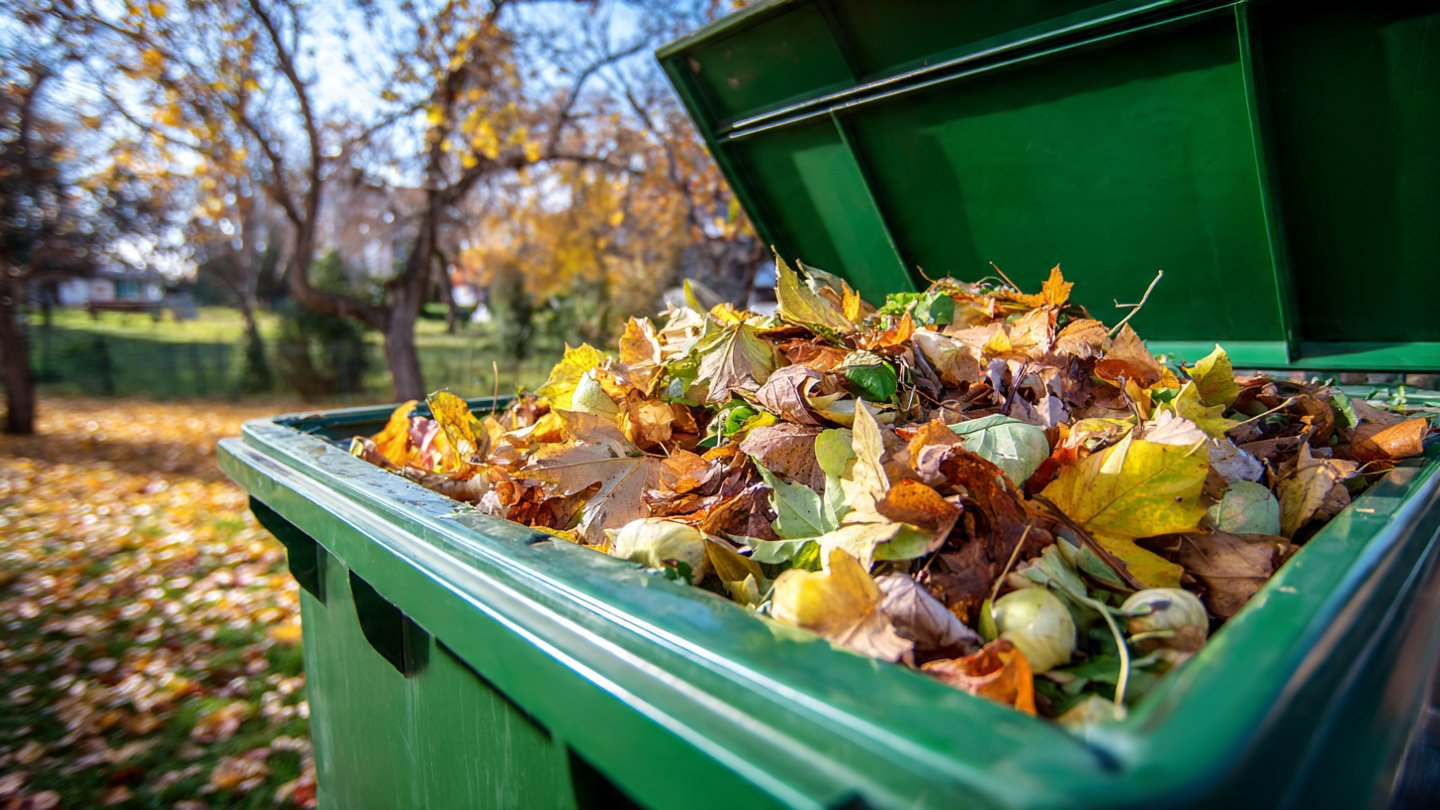
Composting is an excellent way to recycle organic waste, reduce landfill use, and create nutrient-rich soil amendments. However, while composting provides numerous benefits, it also carries risks, particularly when it comes to overheating, especially in closed bins. This article delves into the reasons compost can overheat, the associated risks, and strategies to mitigate these issues.
The Basics of Composting
Composting is a biological process where microorganisms decompose organic matter, transforming it into a stable, nutrient-rich product known as compost. This process requires a specific balance of carbon and nitrogen materials, air, moisture, and temperature. Typically, an ideal composting temperature ranges between 130°F to 160°F (54°C to 71°C), promoting efficient microbial activity. However, temperatures can exceed these thresholds in closed bins, leading to several risks.
Causes of Overheating
-
Insufficient Aeration: Proper aeration is vital for aerobic decomposition. Closed compost bins can trap heat and moisture, leading to anaerobic conditions where the breakdown process slows down, causing a rise in temperature.
-
High Carbon-to-Nitrogen Ratio: Compost piles that contain too many carbon-rich materials (like dried leaves or cardboard) relative to nitrogen-rich materials (like kitchen scraps or grass clippings) can also overheat. While a balanced ratio (approximately 30:1) is vital, excess carbon can cause slow breakdown and heat accumulation.
-
Excessive Moisture: While moisture is necessary to keep the compost process active, too much can saturate the compost and lead to anaerobic conditions, which may result in higher temperatures and a foul odor.
-
Large Batches: Large quantities of material in a closed bin can produce more heat due to mass and microbial activity concentrated in a limited space.
-
Environmental Factors: External temperatures and sunlight exposure can also influence the internal temperature of compost bins. During hot summer months, compost in closed bins can reach unsafe levels rapidly.
Risks of Overheating
-
Loss of Nutrient Value: Excessive heat can kill beneficial microorganisms that help break down organic matter and produce nutrients. This translates to lower nutrient value in the finished compost, negating many benefits that composting offers.
-
Risk of Fire: In extreme cases, overheating compost can spontaneously combust. While rare, it is a risk, particularly in large compost piles or bins where materials are packed tightly, promoting heat retention.
-
Off-Gassing and Odors: Overheated compost can produce unpleasant odors and release gases such as ammonia and hydrogen sulfide. These odors can attract pests and indicate underlying problems within the composting system.
-
Soil Microorganism Damage: High compost temperatures can adversely affect soil organisms once the compost is applied to gardens or landscapes. Beneficial microbes present in the compost may be less effective, resulting in poor soil health.
-
Structural Damage to Compost Bins: Prolonged heat can affect the integrity of the compost bin materials, especially if they are plastic or thin metal. Warping, melting, or rusting can compromise the bin’s functionality.
Recognizing Overheating in Compost Bins
Identifying overheating in compost bins involves regular monitoring. A few signs that compost might be overheating include:
- High Temperature: If you can take the internal temperature and it exceeds 160°F (71°C), there’s a problem.
- Foul Odors: Bad smells or ammonia-like scents are indicative of anaerobic conditions and possible overheating.
- Visible Smoke: In extreme cases, you may even see smoke or steam.
- Dry Material: Excessively dry, crumbly outer layers of compost material can indicate overheating.
How to Prevent Overheating
-
Maintain Proper Aeration: Regularly turning or mixing the compost helps introduce oxygen and dissipate heat. If using a closed system, ensure that it has adequate ventilation holes to allow air circulation.
-
Achieve a Balanced Carbon-Nitrogen Ratio: Strive to maintain a 30:1 ratio of carbon to nitrogen in the compost. This balance supports efficient microbial activity without excess heat.
-
Control Moisture Levels: Keep compost moist but not soggy. You may need to adjust based on the season, ensuring it does not retain too much water, which can lead to anaerobic conditions.
-
Space Management: Avoid packing too much material into the bin at once. Smaller batches can help regulate temperatures better and allow for proper aeration.
-
Temperature Monitoring: Regularly check the internal temperature of the compost bin with a compost thermometer. If temperatures consistently exceed safe limits, take action.
-
Adding Water: If the compost is showing signs of overheating, adding water can help cool down the mixture. This should be done cautiously to avoid oversaturation.
-
Use Insulating Materials Cautiously: While insulating materials can help regulate temperature in cold weather, in hot conditions, they might contribute to overheating. Consider the external environment when using these materials.
-
Consider Turning Frequency: During periods of very high temperatures, try to turn the compost more frequently to prevent heat build-up.
Additional Strategies
-
Choose the Right Bin: Some bins have better airflow than others. Opt for designs that allow for better ventilation or consider using open piles in cooler climates.
-
Layering: Layering materials can promote air circulation and heat distribution within the bin.
-
Diversifying Material Types: Incorporating a diverse range of organic materials can help maintain balance and minimize overheating. Combining dry leaves, grass clippings, kitchen scraps, and woody materials can create a richer compost mix.
-
Regular Monitoring: Keeping a close eye on the composting process—monitoring temperature, moisture, and odor—will help you catch issues before they escalate.
-
Seasonal Adjustments: In hot months, consider more frequent turns, adding more browns to absorb excess moisture, or even temporarily relocating compost bins to shaded areas.
Conclusion
Understanding the risks associated with overheating compost in closed bins is essential for anyone interested in effective composting practices. By recognizing the causes of overheating, identifying signs of temperature issues, and implementing strategies for prevention, you can optimize the composting process and produce high-quality, nutrient-rich compost. Careful monitoring and management can ensure that your composting endeavors are successful and sustainable, contributing positively to gardening and environmental health. Embracing these principles not only benefits your own gardening efforts but also plays a role in fostering healthier ecosystems around you.