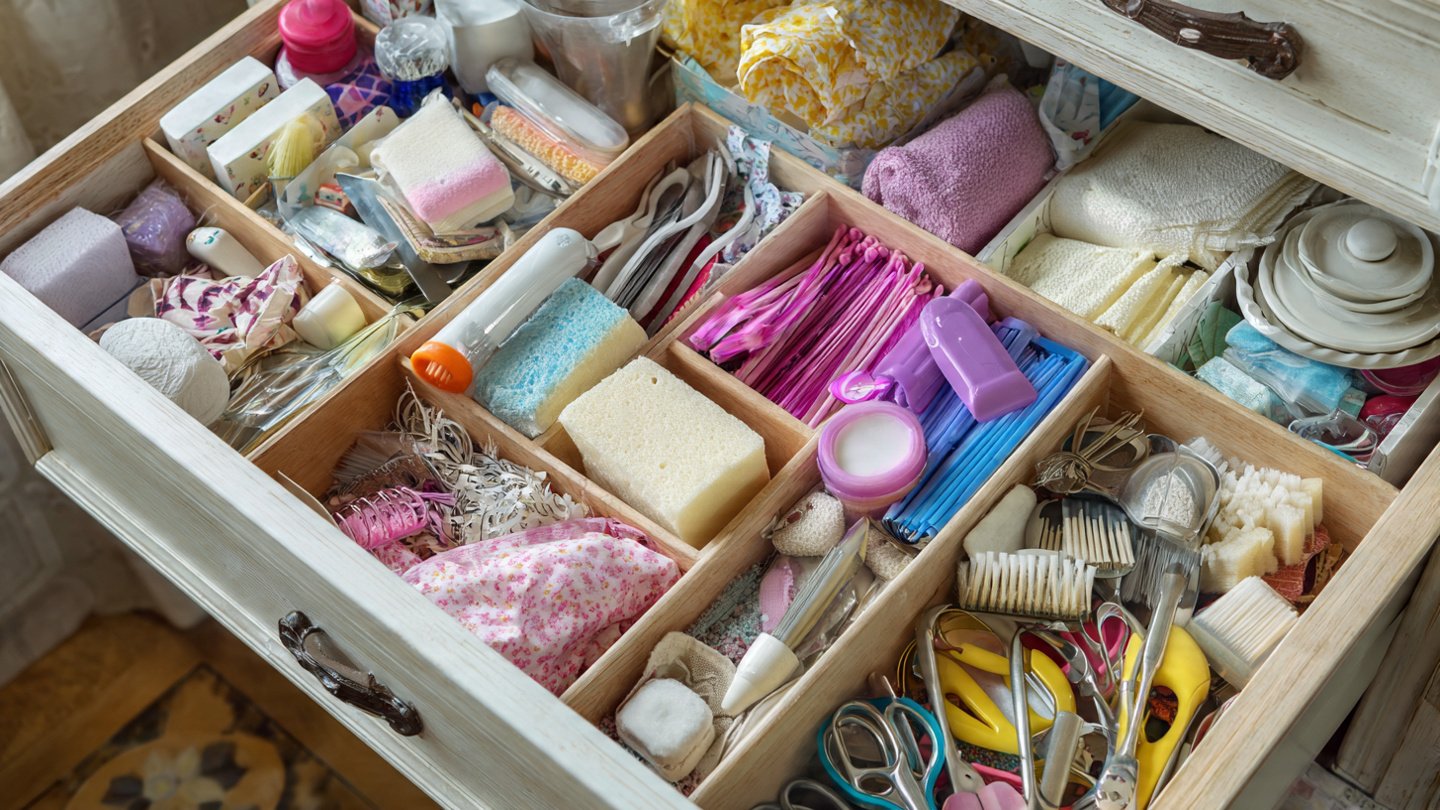
When we think of cleanliness, our minds often drift to visible areas that require regular tidying—kitchens, bathrooms, and living spaces. However, one of the most neglected areas in our homes can be our drawers. While we often consider the surfaces around our homes, rarely do we contemplate the hygienic conditions hidden within our cluttered drawers. This article explores unseen hygiene problems lurk in these confined spaces. From forgotten food remnants to lurking dust bunnies, let’s dive into the hidden hazards lying within your drawer clutter.
1. The Hidden Food Crumbs
One of the most common issues with kitchen and utility drawers is the accumulation of food crumbs. Whether from snacks hastily tossed inside or a few rogue particles from meal prep, these morsels can not only create a mess but also attract unwanted pests. Ants, cockroaches, and rodents are all drawn to the remnants of food, which can quickly turn your clutter into a pest problem.
How to Prevent It
- Regularly empty and clean your drawers. Use a vacuum or a damp cloth to remove crumbs.
- Store food items in sealed containers to prevent spills and crumbs.
- Refuel your utensils or tools, utilizing drawer organizers to keep food-related items separate from other clutter.
2. Dust and Allergens
Dust accumulation can lead to a range of health issues, particularly for those with allergies or respiratory conditions. Behind closed drawer doors, dust can gather unnoticed. When drawers are opened, this dust is disturbed and released into the air, potentially causing respiratory problems and allergic reactions.
How to Combat Dust
- Regularly clean drawers by wiping them down with a microfiber cloth.
- Use air purifiers in your home to reduce airborne allergens.
- Consider keeping frequently used drawers empty or minimally cluttered to facilitate regular cleaning.
3. Expired Products
Many of us keep various items in our drawers, including medications, beauty products, and food items, which can easily go unnoticed until they reach their expiration date. Using expired products can pose health risks, from ineffective medications to potential irritations from spoiled creams or cosmetics.
Managing Expired Products
- Conduct regular audits of your drawers and dispose of expired items responsibly.
- Organize items based on their expiration dates, using labels to ensure you see the oldest products first.
- Establish a digital reminder or a regular schedule to check drawer contents periodically.
4. Bacteria and Germs
Pens, scissors, and electronic devices stored in drawers are often used daily but seldom cleaned. These items can harbor harmful bacteria and germs, especially if multiple household members use them frequently. Bacteria can thrive on these surfaces, transferring to your hands and, subsequently, to your face or food.
Minimizing Germ Exposure
- Regularly disinfect frequently-used items, using antibacterial wipes or sprays.
- Encourage family members to wash their hands after using shared tools found in drawers.
- Limit the items stored in drawers to essential tools and devices that can be easily cleaned.
5. Moisture and Mold
In humid environments, moisture can seep into drawers, creating the perfect breeding ground for mold and mildew. This can have serious health implications, especially for respiratory health. Items like damp cloths or improperly sealed food containers can exacerbate this problem further.
Preventing Moisture Damage
- Ensure drawers are properly ventilated, especially in bathrooms or kitchens.
- Regularly check for leaks and dampness. Consider using moisture-absorbing products if humidity is a constant issue.
- Avoid storing damp items within drawers; always dry items thoroughly before placing them inside.
6. The Clutter Factor
One of the most fundamental hygiene problems associated with drawer clutter is simply the clutter itself. A disorganized drawer can lead to frustration and hasty decision-making, resulting in spills and messes. You may put items back in a hurry without cleaning them first, leading to overall unhygienic conditions.
Organizing for Hygiene
- Adopt a ‘one in, one out’ policy for items you add to your drawers. This minimizes future clutter.
- Label drawer contents to know exactly where items belong. This will facilitate easier organization and cleaning.
- Use organizers, bins, or dividers to keep items categorized and contained.
7. Color-Coded Risks
Items like repurposed containers, old packaging, or questionable materials can also be lurking within your drawers. Some plastic materials can leach chemicals into food, while other packaging materials may harbor allergens, leading to unwanted health consequences. By overlooking these items, you’re unknowingly putting your health at risk.
Ensuring Safe Storage
- Opt for food-safe storage solutions made from safe materials, and avoid storing items in repurposed toxic packaging.
- Regularly revisit where you keep items and evaluate whether your storage method is safe and sanitary.
Conclusion
It may seem easy to overlook the hidden hygiene problems lurking within drawer clutter, but neglecting these spaces can lead to health risks and discomfort. By understanding the potential issues and taking proactive steps to maintain cleanliness and organization, you can effectively reduce hazards and create a more hygienic environment in your home. A commitment to routinely checking and cleaning your drawers will not only promote better health but also enhance your overall home organization.
FAQs
1. How often should I clean my drawers?
It’s recommended to clean kitchen and utility drawers monthly and personal drawers every few months, depending on usage.
2. What can I use to disinfect my drawer items?
Antibacterial wipes or sprays are effective; however, ensure they are safe for the specific materials in your drawers.
3. How can I prevent pests from getting into my drawers?
Keep food items sealed, clean regularly, and consider using drawer liners or pest deterrents if necessary.
4. What should I do with expired medications?
Discontinue use immediately and return expired medications to a pharmacy for safe disposal.
5. Can clutter affect my mental health?
Yes, clutter can contribute to stress and anxiety. Organizing your spaces can help improve mental well-being.