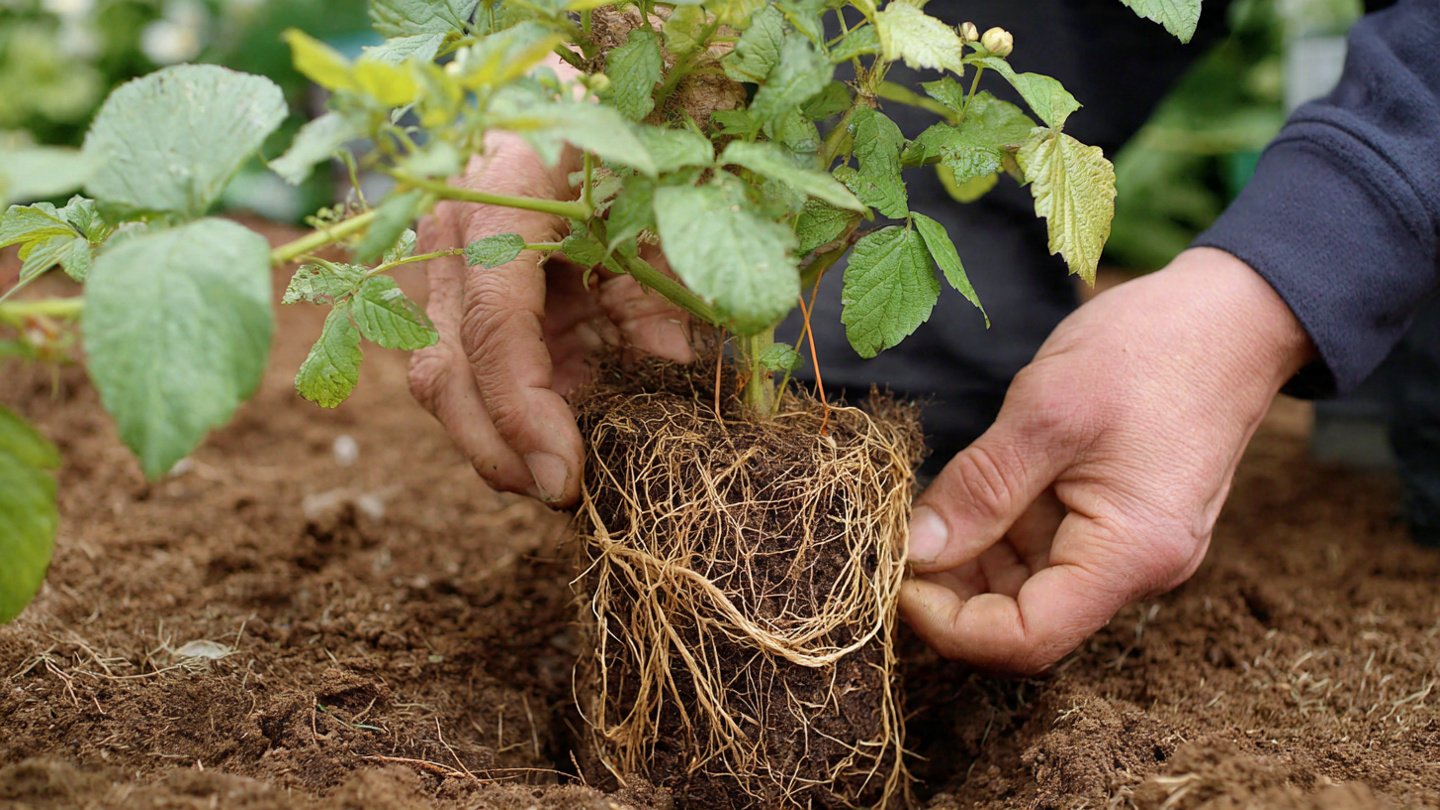
The health and vitality of plants are significantly influenced by their root systems, which serve as the foundation for nutrient uptake, water absorption, and overall stability. Among the myriad factors affecting root growth, the depth and frequency of watering are crucial. The “Watering Depth Method” has garnered attention as an effective strategy for enhancing root strength in various plants, promoting not only their immediate health but also their long-term resilience to environmental stresses.
Understanding Roots and Their Function
Roots are vital organs of plants that perform various functions, including anchorage, absorption of water and minerals, and storage of carbohydrates. They come in various forms—fibrous roots, taproots, and adventitious roots—depending on the plant species. The efficiency and effectiveness of these systems are influenced by several factors, including soil quality, moisture levels, and, importantly, watering practices.
Root Architecture and Watering Practices
The architecture of a plant’s root system—how deep and widespread the roots grow—plays an essential role in the plant’s ability to gather resources. Shallow root systems may struggle to access moisture during droughts, while deep roots can explore a larger volume of soil for nutrients. Watering depth and timing can influence how roots develop, making the Watering Depth Method a fascinating area of study.
The Watering Depth Method
The Watering Depth Method involves varying irrigation practices to promote deeper rooting. This approach does not merely saturate the surface soil; instead, it encourages plants to seek water at deeper levels. Here’s how this method can be effectively implemented:
1. Deep Watering Techniques
Deep watering involves applying water to a depth that reaches the deeper roots of plants. This can be achieved through several techniques:
- Drip Irrigation: Applying water slowly and directly to the root zone, minimizing evaporation and runoff.
- Subsurface Irrigation: Delivering water directly below the soil surface, which drives roots deeper into the soil.
- Deep Soaking: Watering thoroughly at longer intervals, allowing moisture to penetrate deep into the soil.
2. Frequency and Timing
Adjusting the frequency of watering is also crucial. While frequent shallow watering may keep the surface moist, it often leads to shallow root development. Conversely, deep watering at intervals encourages roots to grow deeper in search of moisture. This adjustment often results in a more robust root system.
3. Soil Moisture Monitoring
To maximize the effectiveness of the Watering Depth Method, monitoring soil moisture levels is essential. Tools like soil moisture sensors can provide real-time data, allowing growers to adjust their watering practices based on actual needs rather than assumptions.
Benefits of the Watering Depth Method
The numerous benefits of adopting the Watering Depth Method are well-documented and can lead to enhanced plant health and productivity.
1. Enhanced Root Depth and Strength
One of the most immediate outcomes is the development of deeper and stronger root systems. Deep roots can better anchor plants, making them more stable and less likely to topple under stress from wind or heavy fruit loads.
2. Increased Drought Resistance
Plants with deeper root systems are more resilient during periods of drought. They can access stored moisture from lower soil layers, which may not be available to those with shallow roots. This resilience is increasingly vital in the face of climate change, where erratic rainfall patterns are becoming more common.
3. Improved Nutrient Uptake
A deeper root system can access a broader range of nutrients that may be unavailable to shallower roots. This expanded nutrient access can result in healthier plants, increased biomass, and improved crop yields. In particular, essential nutrients like potassium and phosphorus, which often reside at greater soil depths, become more accessible.
4. Soil Health and Structure
Deep-rooted plants contribute to improved soil structure. As roots penetrate deeper, they create channels in the soil, facilitating better aeration and drainage. This movement can help prevent soil compaction, allowing beneficial microorganisms and fungi to thrive, further enhancing soil health.
5. Reduced Water Use
Although it may seem counterintuitive, adopting deep watering practices can lead to more efficient water use. By encouraging roots to grow deeper, plants can access moisture more effectively, reducing the overall need for irrigation. This efficiency is crucial in water-scarce regions.
Influencing Factors and Considerations
While the Watering Depth Method has many benefits, several factors must be considered for effective implementation.
1. Soil Type
The effectiveness of deep watering can vary depending on soil texture and composition. Sandy soils allow for quick drainage, while clay soils retain moisture longer. Understanding these dynamics is essential for optimizing watering practices.
2. Plant Species
Different plant species have varying root structures and water needs. Some plants naturally develop shallow networks, while others thrive with deep root systems. Tailoring the Watering Depth Method to specific species can maximize effectiveness.
3. Weather and Climate
Environmental conditions, including temperature and humidity, impact how much water plants need. Adjusting watering practices according to seasonal changes can optimize results, ensuring that plants are neither overwatered nor underwatered.
4. Irrigation Technology
Incorporating advanced irrigation technology can greatly enhance the success of the Watering Depth Method. Automation, moisture sensors, and data analytics can provide actionable insights for optimizing water delivery.
Case Studies and Research
Research on the Watering Depth Method has yielded positive results across various agricultural settings. For instance:
Agricultural Studies
Research conducted within agricultural networks showed a significant increase in crop yield where deep watering practices were implemented. Maize and soybean farmers reported improved root depth as well as enhanced drought tolerance, resulting in significant yield increases during dry seasons.
Horticultural Applications
In horticulture, studies have shown that ornamental plants irrigated using deep watering techniques exhibited more vigorous growth and improved flowering. This approach not only benefited plant health but also extended flowering seasons.
Environmental Restoration Projects
Environmental restoration efforts have benefited from the Watering Depth Method, encouraging deeper rooting in native flora, which aids in soil stabilization and ecosystem resilience.
Conclusion
The Watering Depth Method is a transformative approach to plant cultivation that effectively enhances root strength. By promoting deeper rooting through strategic irrigation practices, gardeners and farmers can improve plant health, increase drought resistance, and enhance nutrient uptake while also promoting sustainable water use and soil health.
As climate change continues to alter precipitation patterns, adopting such methods may become even more essential. By understanding and implementing deep watering practices, cultivators can ensure that their plants not only survive but thrive in a changing world. As research continues to explore the potential of this methodology, its principles will undoubtedly evolve, providing further insights into cultivating robust and resilient plants for future generations.