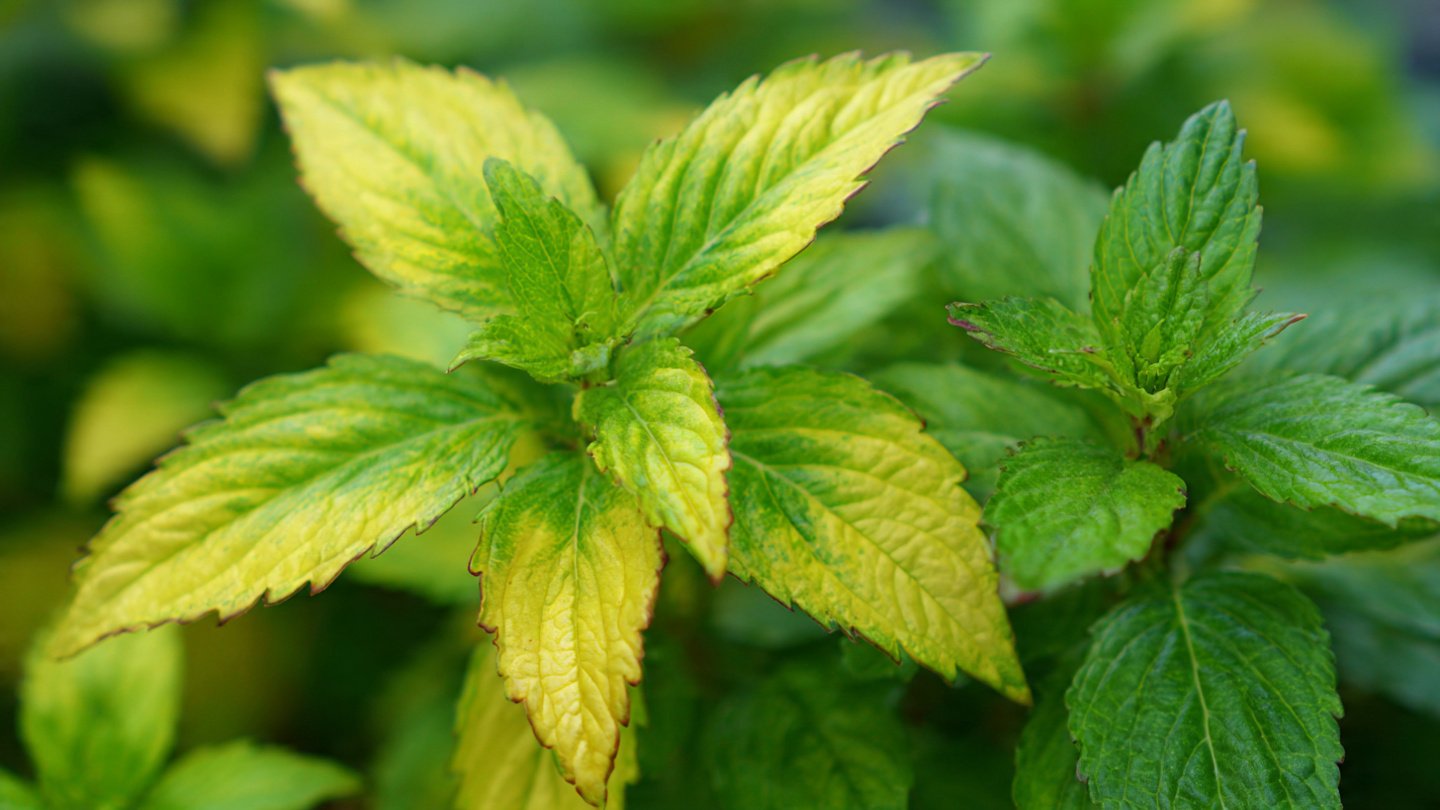
The vibrant greenery of herbs not only enhances culinary experiences but also symbolizes health and vitality. However, the sudden yellowing of herb leaves can evoke distress in any gardener. Whether you cultivate them indoors on a kitchen windowsill or in an outdoor garden, observing your beloved herbs turning yellow can feel disheartening. Understanding the causes of this phenomenon is essential for maintaining healthy herb plants. This article delves into the various reasons behind the yellowing of herbs, equipping you with the knowledge needed to remedy the situation and ensure your herbs flourish.
The Importance of Healthy Herbs
Herbs are not just seasonal plants; they offer culinary, medicinal, and aesthetic value. Common herbs like basil, mint, parsley, and cilantro are rich in flavor and nutrients. Healthy herbs can also repel pests, promote biodiversity, and can even improve air quality. Recognizing the signs of distress in herbs, like yellowing leaves, is crucial for ensuring their longevity and productivity.
Common Causes of Yellowing Leaves
1. Nutrient Deficiencies
One of the primary reasons for yellowing leaves in herbs is a lack of essential nutrients. Key nutrients that often lead to yellowing when deficient include:
- Nitrogen: A vital component of chlorophyll, nitrogen deficiency causes leaves to yellow, primarily starting at the older leaves. This is evident in herbs like basil and parsley.
- Iron: Important for chlorophyll production, iron deficiency typically causes yellowing between the veins, leaving behind green veins (interveinal chlorosis). This issue is common in herbs grown in alkaline soils.
- Magnesium: Another vital nutrient, magnesium deficiency can lead to yellowing of older leaves, causing them to curl and drop off.
Solution: Regularly amend your soil with organic fertilizers containing the necessary nutrients or use a balanced, slow-release fertilizer. Always test your soil pH to prevent nutrient lockout.
2. Overwatering
While watering is essential for plant health, overwatering is a common mistake that can lead to yellowing leaves. When soil remains saturated, roots can become oxygen-starved, resulting in root rot. The symptoms of overwatering may include:
- Yellow leaves that feel soft and mushy.
- A foul smell from the soil, which indicates root decay.
- Wilting despite wet soil.
Solution: Allow the soil to dry out between watering sessions. Ensure that pots have proper drainage holes and avoid letting plants sit in standing water.
3. Underwatering
Conversely, underwatering can also lead to yellowing leaves. When herbs do not receive enough water, they become stressed, and the first signs often include yellowing leaves.
Solution: Establish a regular watering schedule based on the needs of the specific herbs you are growing. Check the moisture level by inserting your finger into the soil; if the top inch is dry, it is time to water.
4. Pest Infestation
Pests such as aphids, spider mites, or whiteflies can cause stress to herb plants, leading to yellowing leaves as they sap the plant’s vital nutrients. Indicators of pest infestation include:
- Visible insects on the leaves or stems.
- Yellowing leaves often coupled with distortion or curling.
- Sticky residue (honeydew) or black mold on the leaves.
Solution: Regularly inspect your plants and apply organic insecticidal soap or neem oil to control infestations. Encourage natural predators such as ladybugs to your garden.
5. Disease Issues
Herbs are susceptible to various diseases that can cause yellowing of the leaves. Common diseases include:
- Fungal Infections: Root rot, powdery mildew, or downy mildew may cause yellowing along with other symptoms, such as spots or a mushy texture.
- Bacterial Infections: Bacterial wilt or leaf spot causes yellow leaves that may drop off.
Solution: Maintain good airflow around your plants and avoid overhead watering to decrease disease pressure. Remove infected leaves and ensure that your plants are well spaced to enhance ventilation.
6. Environmental Stress
Sudden changes in the environment can shock herb plants, leading to yellowing leaves. Environmental factors to consider include:
- Temperature Fluctuations: Exposure to extreme heat or cold can harm your herbs.
- Low Light Conditions: Herbs require adequate sunlight. Lack of light can lead to weak, yellowing leaves as the plants struggle to photosynthesize.
- Humidity Levels: Some herbs prefer higher humidity levels. If your indoor environment is too dry, yellowing may occur.
Solution: Monitor the environmental conditions surrounding your herbs and make adjustments as needed. For instance, use grow lights for indoor herbs and ensure that they receive at least 6 hours of sunlight daily.
7. Soil pH Imbalance
The pH level of the soil affects nutrient availability. Most herbs thrive in a slightly acidic to neutral pH range (6.0 to 7.0). If the pH is too high (alkaline), important nutrients may become unavailable, leading to yellowing.
Solution: Conduct a soil pH test and amend the soil as needed. Adding organic matter, such as compost or peat moss, can help lower pH, while lime can raise it.
8. Transplant Shock
Transplanting herbs can introduce them to new soil conditions, which may shock them and cause yellowing leaves. Signs of transplant shock include wilting, drooping, or yellowing of the leaves.
Solution: Minimize transplant shock by ensuring that the roots are not damaged during the process. Water the herbs well before and after transplanting, and consider using root hormone aids to support recovery.
Best Practices for Herb Care
To avoid yellowing leaves, implement the following best care practices for your herbs:
Regular Monitoring
Keep an eye on the overall health of your herbs. Check for signs of yellowing, pests, or diseases regularly. Early detection is key to addressing any issues.
Right Plant, Right Place
Different herbs have varying growth requirements. Ensure you plant herbs suitable for your specific climatic conditions and in appropriate locations in your garden. For example, basil loves heat and sun, while peppermint prefers shade and moisture.
Quality Soil
Invest in high-quality potting soil that drains well and retains moisture. Organic potting mixes often provide optimal conditions for herbs.
Fertilization Regimen
Use a balanced fertilizer during the growing season. Follow the instructions for application, as over-fertilization can also lead to yellowing.
Consistent Watering
Adopt a consistent watering routine based on the needs of your herbs. Consider factors such as time of year, pot type, and local climate.
Conclusion
The sudden yellowing of herb leaves is a common yet alarming issue that can result from various factors, including nutrient deficiencies, watering issues, pest infestations, and environmental stress. By recognizing these causes and implementing best practices in herb care, you can maintain the health and vibrancy of your plants. Remember that prevention is often the best cure; consistent care, awareness, and appropriate environmental conditions create a solid foundation for thriving herbs. With this knowledge in hand, you’re now equipped to tackle any yellowing leaves in your herb garden confidently. Happy gardening!