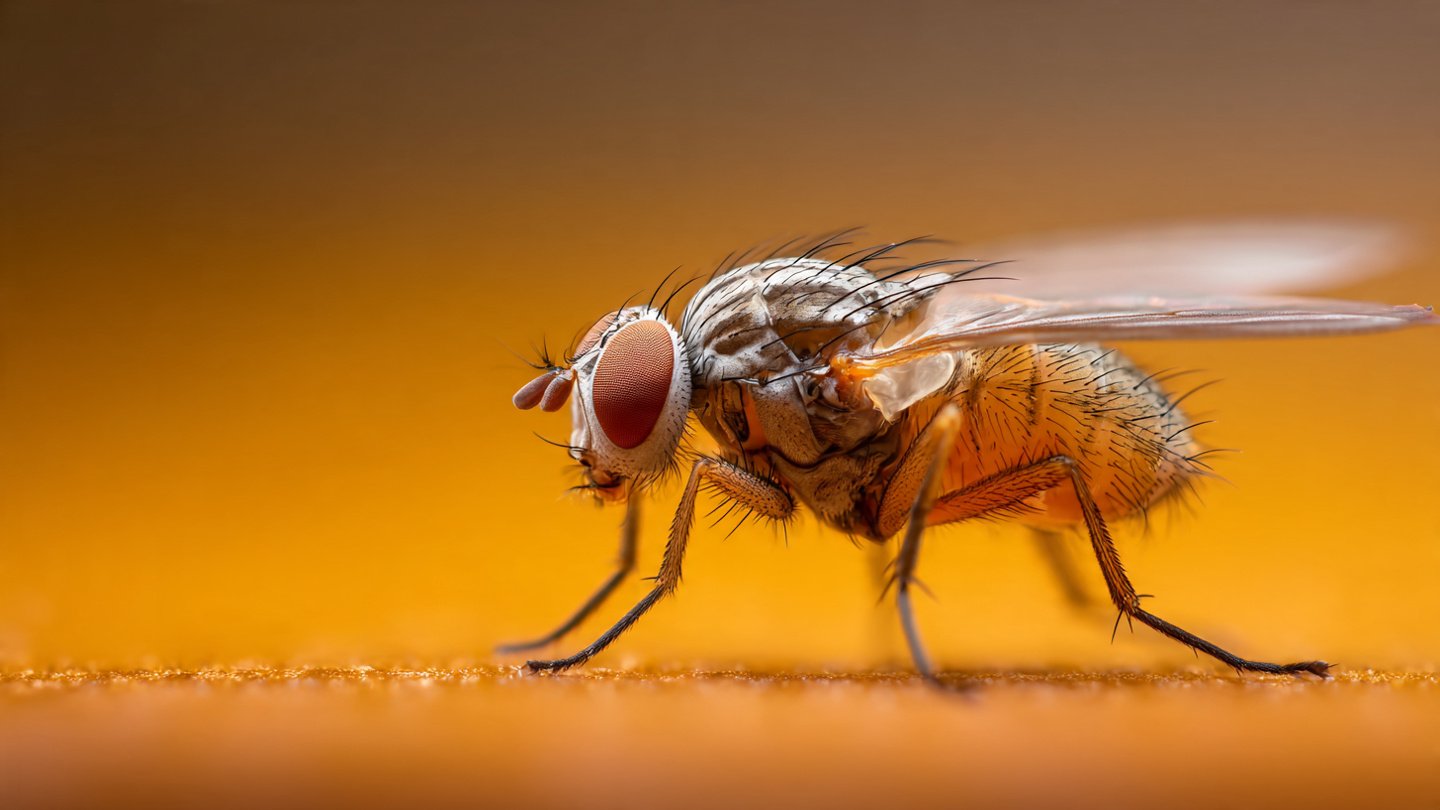
Fruit flies (Drosophila melanogaster) are tiny, pesky insects that can become an unexpected nuisance in even the most meticulously maintained homes. Their sudden appearance can be puzzling, especially in pristine environments where cleanliness is prioritized. To effectively address and prevent these infestations, it is crucial to comprehend the biology, behavior, and attraction of fruit flies.
The Biology of Fruit Flies
Fruit flies are small, typically about 1/8 inch long, with a tan or brown body and reddish eyes. Their life cycle is rapid, typically spanning around 7 to 10 days from egg to adult under optimal conditions. Female fruit flies lay hundreds of eggs on fermenting or decaying food sources, with bananas, peaches, and tomatoes being prime targets.
The ability of fruit flies to reproduce quickly is one of the reasons why an infestation can escalate seemingly overnight. Once the eggs hatch, the larvae feed on the nearby organic material, which not only aids their growth but also attracts more adult flies. This cycle can rapidly lead to significant population increases in a matter of days.
Factors Contributing to Sudden Infestations
1. Availability of Food Sources
Despite a pristine home, food remnants can still exist. Fruit flies are primarily attracted to:
- Ripening and rotting fruits: Even an unnoticed overripe banana in a bowl can become a breeding ground.
- Fermenting beverages: Spilled wine or beer can attract fruit flies.
- Vegetables: Tomatoes and potatoes can emit gases that lure fruit flies.
Maintaining a strict “no food left out” policy can significantly reduce the risk of attracting these pests.
2. Poor Sanitation Practices
While a home may appear clean, certain areas can harbor food particles and organic matter. Fruit flies thrive in:
- Sink drains: Food remnants can accumulate in drains, serving as a perfect breeding site.
- Garbage disposal: Incomplete cleaning of disposal units can leave food residues.
- Recycling bins: Cans or bottles with hidden liquid can attract flies.
Regularly cleaning these spaces is essential for prevention.
3. Entry Points
Fruit flies can easily infiltrate even the most pristine homes. They often enter through:
- Open doors and windows: Even a brief moment with an open door can invite them in.
- Cracks and gaps: Tiny entry points around windows and doors can also allow fruit flies to gain access.
Utilizing screens on windows and ensuring doors are closed can help mitigate their entry.
4. Seasonal Changes
Fruit fly populations tend to increase during warmer months. As temperatures rise, so does the activity level of these pests. They are more likely to breed and enter homes during late spring and summer. The fruits and vegetables in gardens ripen during this time, providing ample food sources.
Consequences of Infestations
1. Contamination of Food
Fruit flies can contaminate food with bacteria and other pathogens. Their voracious feeding habits can lead to rapid spoilage of ripe fruits and vegetables. Consequently, an infestation can result in significant food waste.
2. Stress and Embarrassment
The presence of fruit flies can cause stress and embarrassment for homeowners, particularly when hosting guests. The psychological impact of pests can extend beyond mere annoyance.
3. Financial Implications
Addressing an infestation may require purchasing insecticides and engaging pest control services, leading to an unplanned financial burden.
Prevention Strategies
1. Consistent Cleaning
Maintaining cleanliness is the first line of defense. Implementing the following practices can significantly reduce fruit fly presence:
- Sweep and mop: Regularly clean floors to remove food particles.
- Wipe surfaces: Ensure kitchen counters and tables are wiped clean, especially after food preparation.
- Dispose of garbage properly: Use tightly sealed bins for trash and compost.
2. Food Storage
Proper food storage is vital in preventing infestations. Key strategies include:
- Refrigerate fruits and vegetables: Storing food in the fridge can deter fruit flies from laying eggs.
- Seal containers: Ensure that food containers are tightly sealed, minimizing the chance of attracting flies.
3. Drain Management
Keeping drains clean is essential in preventing fruit fly infestations. Effective strategies include:
- Regular cleaning: Use vinegar or baking soda followed by hot water to clean drains routinely.
- Install drain covers: These can help limit access to potential breeding sites.
4. Essential Oils and Natural Repellents
Certain natural substances can repel fruit flies. Essential oils such as peppermint, eucalyptus, and lemongrass have shown effectiveness in repelling these pests. Utilizing these oils in diffusers or sprays around potential entry points may help keep fruit flies at bay.
5. Traps and Lures
Even in pristine homes, an occasional fruit fly may show up. Homemade traps can be an effective way to manage small infestations. Here’s how to create one:
- Apple cider vinegar trap: Fill a bowl with apple cider vinegar and cover it with plastic wrap. Puncture small holes; the scent will attract flies, but they will struggle to escape.
- Wine trap: Leaving an open bottle of wine with a small amount left can also attract flies.
Responding to an Infestation
Despite all preventive measures, infestations can still occur. Quick action is key. Here’s how to respond:
1. Identify the Source
The first step in addressing an infestation is to identify where the flies are breeding. Check food items, drains, and hidden areas for nests. Once located, dispose of the source responsibly.
2. Clean Thoroughly
Once the source is identified, thorough cleaning is essential. This includes:
- Removing food items: Throw away any contaminated food.
- Deep cleaning: Scrub surfaces, floors, and drains to eliminate remnants that may attract more flies.
3. Set Up Traps
As previously mentioned, traps can be set up to catch any remaining adult flies. Regular monitoring will indicate the effectiveness of these traps.
4. Monitor for Changes
After cleaning and trapping, monitor the situation for any signs of new flies. If the problem persists, it may warrant consulting a pest control professional for more aggressive measures.
Conclusion
Fruit flies might seem insignificant given their size, but their rapid reproduction and attraction to food sources make them formidable pests. Understanding the biology, behaviors, and preferred environments of fruit flies is vital in preventing and mitigating infestations, even in the cleanest homes. By maintaining strict food storage practices, regular cleaning routines, and employing preventative measures, homeowners can protect their living spaces from these unwanted visitors. If an infestation does occur, quick action and effective strategies can restore comfort and cleanliness, ensuring that pristine homes remain free from the annoyances of fruit flies.