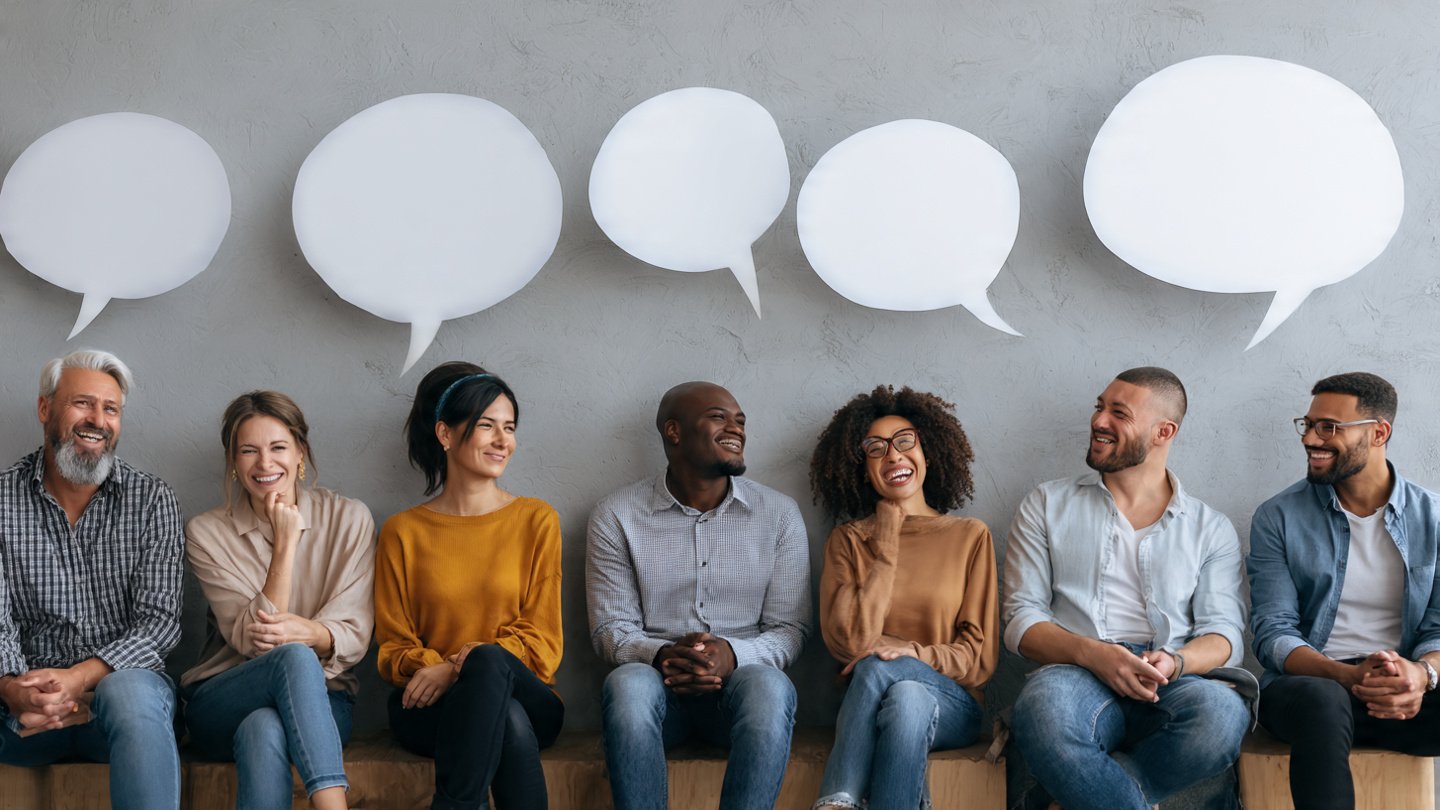
Effective communication is a cornerstone of both personal and professional development. The ability to convey information clearly, listen actively, and engage in meaningful dialogue can significantly influence relationships, workplace dynamics, and overall success. In diverse settings, where cultural variances may impact communication styles, understanding the science behind communication strategies becomes essential.
Theories of Communication
Communication can be understood through various theoretical lenses. Some of the most prominent include:
- Shannon-Weaver Model: This model views communication as a linear process involving a sender, a message, a channel, a receiver, and feedback. It emphasizes the importance of clear transmission to prevent miscommunication.
- Schramm’s Model: This model introduces the concept of fields of experience, suggesting that effective communication occurs when the sender’s and receiver’s experiences overlap, allowing for shared understanding.
- Transactional Model: This model posits that communication is a simultaneous process where both parties are senders and receivers, emphasizing the dynamic nature of interactions.
Understanding Communication Barriers
Awareness of common barriers to effective communication is crucial for overcoming challenges:
- Cultural Differences: Different cultures have different communication styles, norms, and expectations that can lead to misunderstandings.
- Language Proficiency: Variations in language proficiency can cause communication breakdowns, especially in multilingual environments.
- Emotional Barriers: Personal feelings and emotional states can influence how a message is interpreted and conveyed, sometimes clouding judgment.
- Physical Barriers: These can include environmental factors like noise or distance, which can hinder effective communication.
Strategies for Effective Communication
To enhance personal and professional communication, the following strategies are effective:
1. Active Listening
Active listening involves fully concentrating, understanding, responding, and remembering what is being said. Techniques include:
- Maintaining eye contact.
- Nodding and using verbal affirmations like “I see” or “I understand.”
- Restating or paraphrasing key points to ensure understanding.
2. Nonverbal Communication
Body language, facial expressions, and gestures can enhance or contradict verbal communication. Being aware of nonverbal cues helps create a more genuine interaction.
3. Empathy
Demonstrating empathy involves understanding feelings and perspectives, which can foster trust and rapport. Practicing empathy can lead to deeper connections and improved communication outcomes.
4. Clarity and Conciseness
Effective communication often hinges on clarity and brevity. Using simple language, avoiding jargon, and structuring messages logically can facilitate better understanding.
5. Feedback
Providing and soliciting feedback is essential for ongoing improvement. Constructive feedback can help individuals reflect on their communication styles and make necessary adjustments.
Communication in Diverse Settings
Diversity enriches communication but also adds layers of complexity. Here’s how to navigate these challenges:
1. Cultural Competence
Developing cultural competence involves understanding and respecting cultural differences in communication styles, values, and norms. This can be achieved through:
- Education about different cultures.
- Engaging in diverse social interactions.
- Being open to feedback about one’s cultural assumptions.
2. Adaptability
Being flexible and adaptable in communication styles helps in engaging with individuals from diverse backgrounds. Tailoring messages based on the audience enhances relatability and effectiveness.
3. Technology and Remote Communication
In today’s globalized world, technology plays a significant role in facilitating communication across distances. Utilizing video conferencing, messaging apps, and collaborative tools can bridge gaps but also requires understanding of digital etiquette and communication norms.
Personal and Professional Growth
Effective communication significantly contributes to both personal and professional growth:
1. Building Relationships
Strong communication skills foster relationships and networks that are vital for career advancement and personal fulfillment. By engaging in open and honest dialogue, individuals can build trust and rapport, essential elements in any relationship.
2. Leadership Skills
Effective leaders possess strong communication skills. They must articulate visions, motivate teams, and resolve conflicts. Leaders who communicate effectively are more likely to inspire and mobilize their teams toward common goals.
3. Conflict Resolution
Strong communication skills are critical during conflicts. The ability to express oneself clearly while remaining open to others’ perspectives leads to effective conflict resolution, essential for maintaining harmony in personal and professional relationships.
4. Career Advancement
Employers often prioritize strong communicators during hiring and promotions. Individuals who can effectively convey their thoughts and collaborate with diverse teams are perceived as more valuable assets to their organizations.
Conclusion
Understanding the science behind effective communication strategies is vital for personal and professional growth, especially in diverse settings. By leveraging models of communication, addressing barriers, and employing practical strategies, individuals can enhance their communication skills. This, in turn, fosters better relationships, promotes career advancement, and encourages a more inclusive environment. As the world becomes increasingly interconnected, mastering the art of communication will remain a critical skill for success.
Frequently Asked Questions (FAQs)
1. Why is effective communication important in the workplace?
Effective communication in the workplace promotes collaboration, reduces misunderstandings, and enhances team productivity, leading to overall organizational success.
2. How can I improve my communication skills?
Improving communication skills can be achieved through practice, seeking feedback, enhancing active listening abilities, and engaging in courses or workshops focused on communication.
3. What are cultural differences in communication?
Cultural differences in communication refer to variations in values, norms, and styles that influence how individuals from diverse backgrounds express themselves and interpret messages.
4. How does technology affect communication?
Technology facilitates communication across distances but also requires an understanding of digital etiquette and the nuances of nonverbal cues that might be lost in text-based formats.
5. What is the role of empathy in communication?
Empathy allows individuals to understand others’ perspectives and feelings, leading to more meaningful exchanges and stronger relational bonds, both personally and professionally.