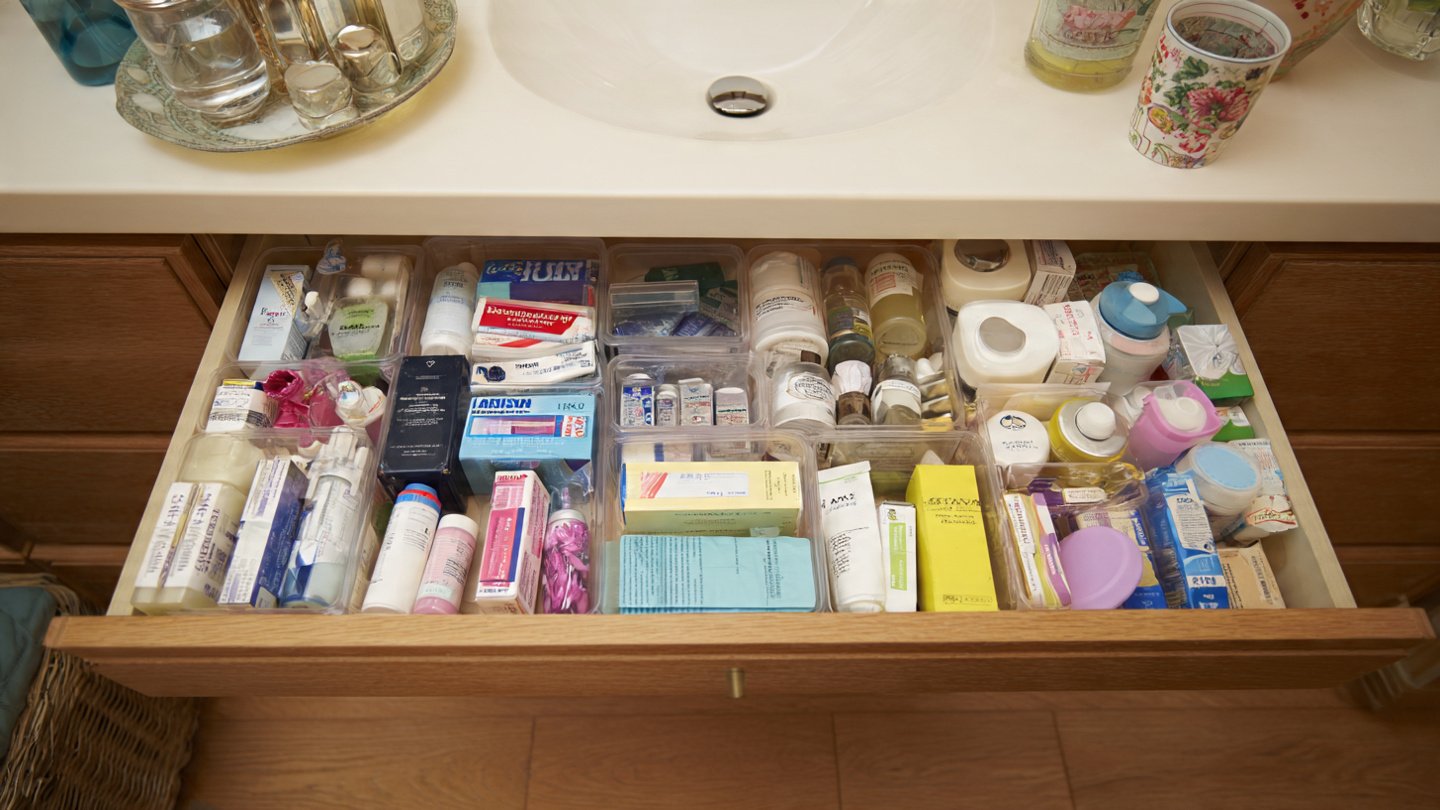
In our pursuit of a fulfilling life, it’s easy to overlook the impact of seemingly innocuous factors—such as clutter—on our well-being. Among various forms of chaos in our lives, one of the most insidious is drawer clutter. Drawers are those hidden spaces we often neglect, but their disorganization can harbor numerous hidden dangers to our hygiene and overall health.
The Psychology of Clutter
Before diving into the hygiene implications of clutter, it’s important to understand why we let it accumulate. It often starts innocently enough: a sock here, an old letter there, and before we know it, our drawers become chaotic. Psychologically, clutter can be a reflection of mental and emotional states. Many people keep items due to sentimentality or a fear of letting go. This hoarding behavior can stem from anxiety or depression, but unwittingly, we contribute to our clutter problem by generating more items than we can manage.
Stress and Anxiety
Clutter can exacerbate feelings of anxiety. The visual chaos can overwhelm you, making it harder to concentrate. This mental clutter contributes to stress, ultimately affecting your immune system and overall health. Moreover, the emotional toll of disorganization can manifest physically, leading to fatigue, insomnia, and a general decline in quality of life.
What Stays in the Shadows: Hidden Dangers
While the psychological impacts of clutter are significant, the physical implications are often less visible but just as crucial. Here’s a deeper dive into the hidden dangers that drawer clutter can pose.
1. Bacteria and Germ Accumulation
Drawers often function as repositories for items we don’t want on display, but they can also harbor microscopic organisms. Studies show that certain areas in the home can harbor far more bacteria than commonly acknowledged. For instance, kitchen drawers may contain food residue and crumbs that attract pests and breed bacteria.
Microorganism Growth: Most bacteria flourish in warm, dark environments, making cluttered drawers ideal homes. From E. coli to staphylococcus, these germs can spread easily to your skin, utensils, or other surfaces, leading to infections.
2. Pest Infestation
Another danger of drawer clutter is the potential for pest infestations. The confined space of a drawer can become an attractive nesting ground for insects or rodents, especially if food items, wrappers, or organic material are present.
Signs: Look for droppings, discarded materials, or even the pests themselves. The presence of pests can introduce new, harmful bacteria and allergens into your home, drastically affecting your indoor air quality and hygiene.
3. Allergens and Dust Mites
Dust can accumulate rapidly in enclosed spaces. When drawers are left cluttered and unopened for long periods, dust and allergens build up. This accumulation can be detrimental, especially for individuals with allergies or respiratory issues.
Health Implications: Dust mites thrive in cluttered environments, as they feed on dead skin cells. Their waste products can exacerbate asthma and allergy symptoms, leading to coughing, sneezing, itchy eyes, and more serious health issues.
4. Mold and Mildew
In humid environments, moist items tucked away in drawers can lead to mold and mildew growth. This situation often goes unnoticed until the problem has escalated.
Risks: Mold spores can trigger allergic reactions, respiratory difficulties, and other health conditions. In severe cases, prolonged exposure to mold can lead to chronic illnesses.
5. Loss of Essential Hygiene Items
When clutter takes over drawers, you might find it challenging to locate essential items like first aid supplies, medications, or hygiene products. Not being able to find or access these items promptly can lead to health issues that could be easily managed or treated.
Impacts: For instance, if you can’t easily find your hand sanitizer or cleaning supplies, you’ll be less likely to maintain good hygiene, thereby increasing your susceptibility to illness.
How Clutter Affects Daily Hygiene Routines
The negative impacts of drawer clutter extend into daily life. When you struggle to organize or find items, it affects your hygiene routines and overall health.
1. Disrupted Morning Routines
A cluttered drawer filled with misplaced items can disrupt your morning workflow. Whether it’s a toothbrush, deodorant, or clean socks, wasting time rummaging through drawers can lead you to skip necessary hygiene steps.
2. Decreased Motivation to Maintain Cleanliness
The overwhelming nature of clutter can dampen motivation. When tasks feel daunting, people might neglect other areas of cleanliness, such as washing sheets or cleaning surfaces, which all contributes to poor hygiene.
3. Reduced Time for Self-Care
If you’re spending considerable time addressing the chaos in your drawers, you may find less time for important self-care practices, such as relaxing baths or skincare routines—both of which contribute to your physical and mental well-being.
Strategies for Combatting Drawer Clutter
Taking control of your drawer clutter is essential for promoting better hygiene and overall wellness. Here are some effective strategies to combat it:
1. Regular Decluttering Sessions
Schedule time weekly or monthly to systematically go through each drawer. Take everything out, clean the drawer, and evaluate the items you’re keeping.
- Sort: Use the “Four-Box Method” by sorting items into categorize: keep, discard, donate, or relocate. This method helps streamline the process and makes tough decisions easier.
2. Implement Organizational Solutions
Using drawer organizers and dividers can significantly enhance your ability to keep things organized. Having a designated place for everything helps in reducing the chaos.
- Labeling: Consider labeling sections of your drawers for easy identification of items.
3. Dispose of Old or Unused Items
Regularly check for items that are expired or that you no longer need. Throw away, recycle, or donate anything that is no longer useful.
- Adopt the “One In, One Out” Rule: For every new item you bring into your home, try to eliminate one. This helps maintain balance.
4. Regular Cleaning
In addition to decluttering, make drawer cleaning a part of your cleaning routine. Wipe down spaces with disinfectant wipes, and make it a habit to check for hidden allergens or contaminants.
5. Mindfulness Practices
Incorporating mindfulness into your decluttering process can make it less overwhelming. Focus on the benefits of a clean space for your mental and physical health.
- Visualization: Picture a clean, orderly drawer and the ease it will bring to your life. Create an image of how it will positively influence your hygiene habits.
Conclusion: The Path to Clutter-Free Living
Drawer clutter may seem like a trivial issue, but its consequences can be far-reaching. From bacterial growth to pest infestations, the hidden dangers lurking in disorganized spaces can significantly affect your hygiene and overall well-being.
By understanding these dangers and taking proactive steps to declutter, you can not only enhance your home’s hygiene but improve your quality of life as well. Remember, it’s not just about cleanliness—it’s about creating a welcoming, healthy environment that fosters both physical and mental wellness. Embrace the challenge of organizing your drawers, and in doing so, reclaim both your space and your health.