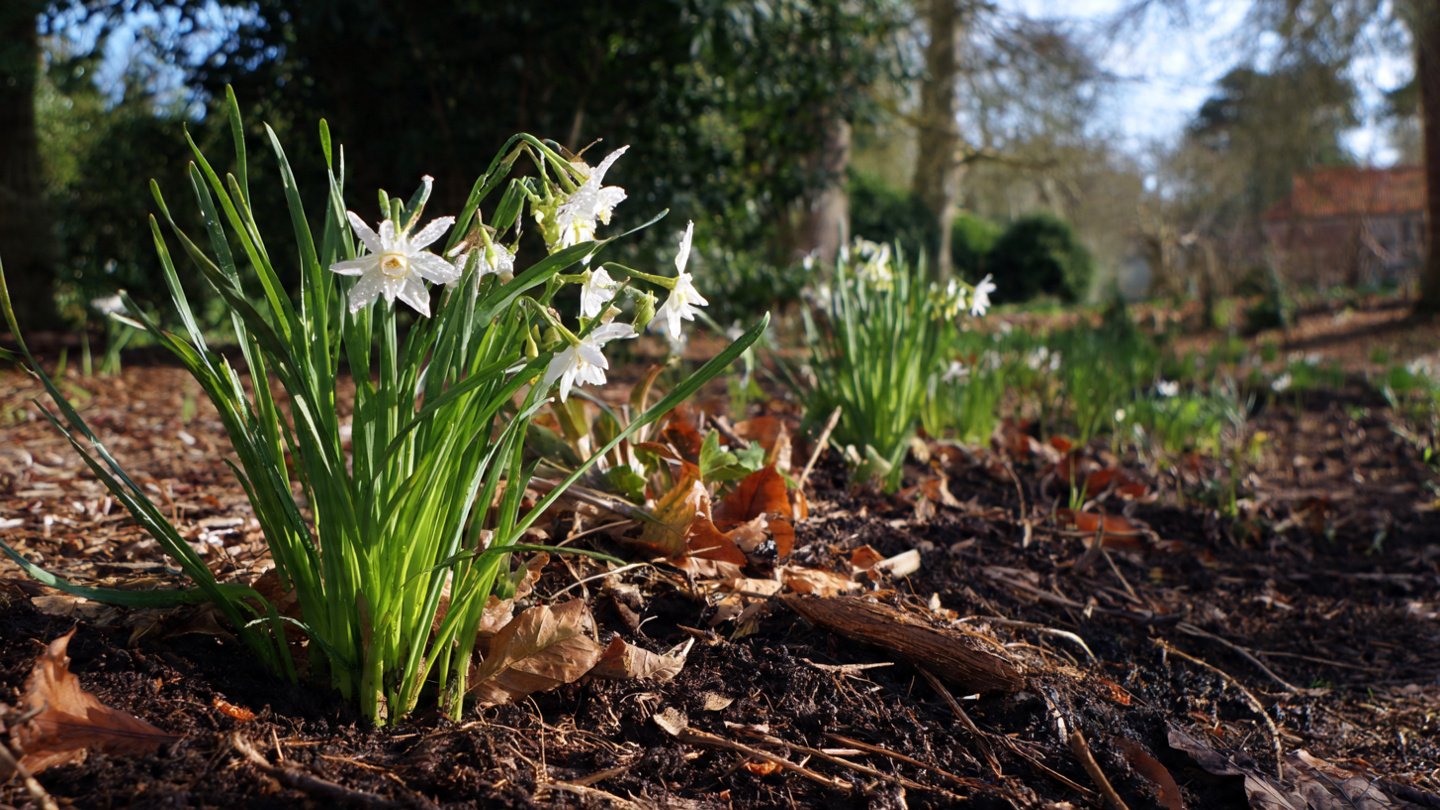
Planting spring bulbs in late autumn is a gardening practice that can significantly enhance the aesthetic appeal of your garden come springtime. Many gardeners, both novice and experienced, may overlook this crucial seasonal activity, focusing instead on other plants or gardening tasks. However, the benefits of planting bulbs during this time are manifold, ranging from convenience to stunning floral displays as the warmer weather returns.
One of the primary reasons for planting spring bulbs in the fall is the timing of their growth cycle. During autumn, when temperatures begin to drop, the bulbs go into dormancy. This period is essential for storing energy, so when spring arrives, the bulbs can begin to grow vigorously. Planting them in late autumn allows the bulbs to establish themselves in the soil before the frost sets in, creating a strong root system that can thrive when warmer temperatures return.
Additionally, planting in the fall takes advantage of the natural soil conditions that exist at this time. The soil is warm from the summer sun but begins to cool, providing the perfect environment for bulbs to settle in. This advantage can lead to healthier plants. If you wait until spring to plant, you may find the ground is still too cold, which can slow germination and root development. Moreover, planting in the fall minimizes the competition from weeds, which are less active during cooler months. This gives your bulbs the chance to grow without the stress of competing for nutrients, light, and moisture.
Another significant benefit of late autumn bulb planting is the variety of flowers you can choose from. Spring bulbs come in a broad spectrum of colors, shapes, and sizes. From the classic tulips and daffodils to the enchanting hyacinths and grape hyacinths, each type of bulb brings a unique charm to the garden. When planted together, these bulbs can create a stunning tapestry of colors that brightens up your landscape after a long winter. Mixing different varieties and planting them in layers — a technique known as “bulb lasagna” — can add depth and interest to your garden beds. In this method, larger bulbs can be placed at the bottom, with smaller ones layered above, ensuring a continuous bloom from early spring through late spring.
Moreover, spring bulbs are generally low maintenance compared to other types of flowers. Once planted, they often require little care until they bloom. As they are perennial, the bulbs will return year after year with proper care, making them a one-time investment for a long-lasting floral display. Ensuring that you choose appropriate bulbs for your region is crucial, especially regarding hardiness zones. Local gardening centers can provide guidance on which varieties thrive best in your specific area.
In addition to their visual appeal, spring bulbs can contribute to the overall health of your garden. They are known for attracting pollinators, such as bees and butterflies, which are vital for a thriving ecosystem. By planting these vibrant flowers, you not only beautify your garden but also support local wildlife. The early bloomers, such as crocuses and snowdrops, play a critical role in providing food for pollinators that emerge from hibernation during spring. This early source of nectar is significant for these insects, which struggle to find food immediately after winter.
Another essential aspect of planting bulbs in late autumn is the ability to plan your garden for a spectacular early spring display. Many gardeners use fall as a time to reflect on their previous seasons and consider how to refresh their landscapes. Choosing the right bulbs can set the tone for the entire year. For example, if you’re looking for a more naturalistic or cottage-garden look, consider mixing wildflower seeds with your bulbs to create a more wildflower-centric design.
Beyond just aesthetics, planting spring bulbs can also enhance the biodiversity of your garden. Many spring-flowering bulbs can coexist harmoniously with other plants, helping to create a rich tapestry of color and life. Interplanting bulbs with ground covers or perennials can create guilds, where the different species support each other’s growth and health. This diversity can help the garden become more resilient to pests and diseases, reducing the need for chemical interventions.
Late autumn is also a time for reflection and reclamation in the garden. As the summer blooms fade, many gardeners are in a mindset to prepare their spaces for the next growing season. Planting bulbs can serve as a form of physical and mental engagement with the garden during this quieter time. It allows you to get your hands in the soil and think about the beauty that will soon burgeon, creating anticipation and excitement for the colder months ahead. This connection to nature can be incredibly rewarding, as you envision the vibrant transformation your garden will undergo.
Furthermore, the act of planting itself can be meditative. Many gardeners find solace in repetitive tasks, such as digging holes for bulbs and carefully placing each one within the earth. This serenity can be especially beneficial during the often-chaotic fall months, providing a much-needed pause that reconnects you with the natural world. The physical exertion of gardening can also be a wonderful way to stay active during a season known for its chilly weather, combating the tendency to remain sedentary.
In urban settings, where green space is often limited, planting bulbs in late autumn can be an effective way to maximize small areas. Container gardening allows city dwellers to cultivate beautiful spring displays on balconies, patios, or in tiny backyard spaces. With careful selection and creative placement, a few containers filled with spring bulbs can create small oases of color in otherwise concrete-heavy environments.
Moreover, there are fewer pests and diseases to worry about in the fall than in springtime. By planting bulbs during this time, you give them an opportunity to root and stabilize before spring’s onslaught of insects and ailments. Also, the cooler temperatures contribute to lower soil temperatures, inhibiting the development of many pathogens that might affect bulb health. This proactive approach can lead to healthier blooms when spring emerges.
It’s important to consider some essential steps while preparing for planting. Choosing high-quality bulbs is crucial, as they ultimately determine the success of your garden’s display. Look for large, firm bulbs with no signs of shriveling or mold, as these factors can affect growth. When planting, ensure that they are placed at an appropriate depth based on the bulb type — typically two to three times the bulb’s height is the standard guideline.
Spacing is also critical; bulbs should be planted close enough to create a lush look but not so close that they compete for nutrients. Generally, arranging them in clusters of odd numbers (three, five, or seven) tends to create a more natural and aesthetically pleasing appearance. After planting, a thick layer of mulch can help retain soil moisture, suppress weeds, and provide insulation against chilly temperatures.
Finally, as with any gardening endeavor, patience is key. There’s a certain beauty in the waiting game, letting nature unfold at its own pace. After months of hard work and nurturing, witnessing the first blooms pushing up through the soil and unfurling their petals can evoke feelings of joy and satisfaction. Each spring bloom serves as a reminder of the care and effort invested the previous autumn and the transformative power of nature.
Planting spring bulbs in late autumn not only prepares your garden for a dazzling spring display but also contributes to the overall health and biodiversity of your outdoor space. With careful planning and execution, the benefits extend beyond mere aesthetics — touching upon personal well-being and community improvement. Embrace the opportunity to connect with nature, beautify your surroundings, and ultimately witness the breathtaking transformation of your garden as it bursts into life come spring.