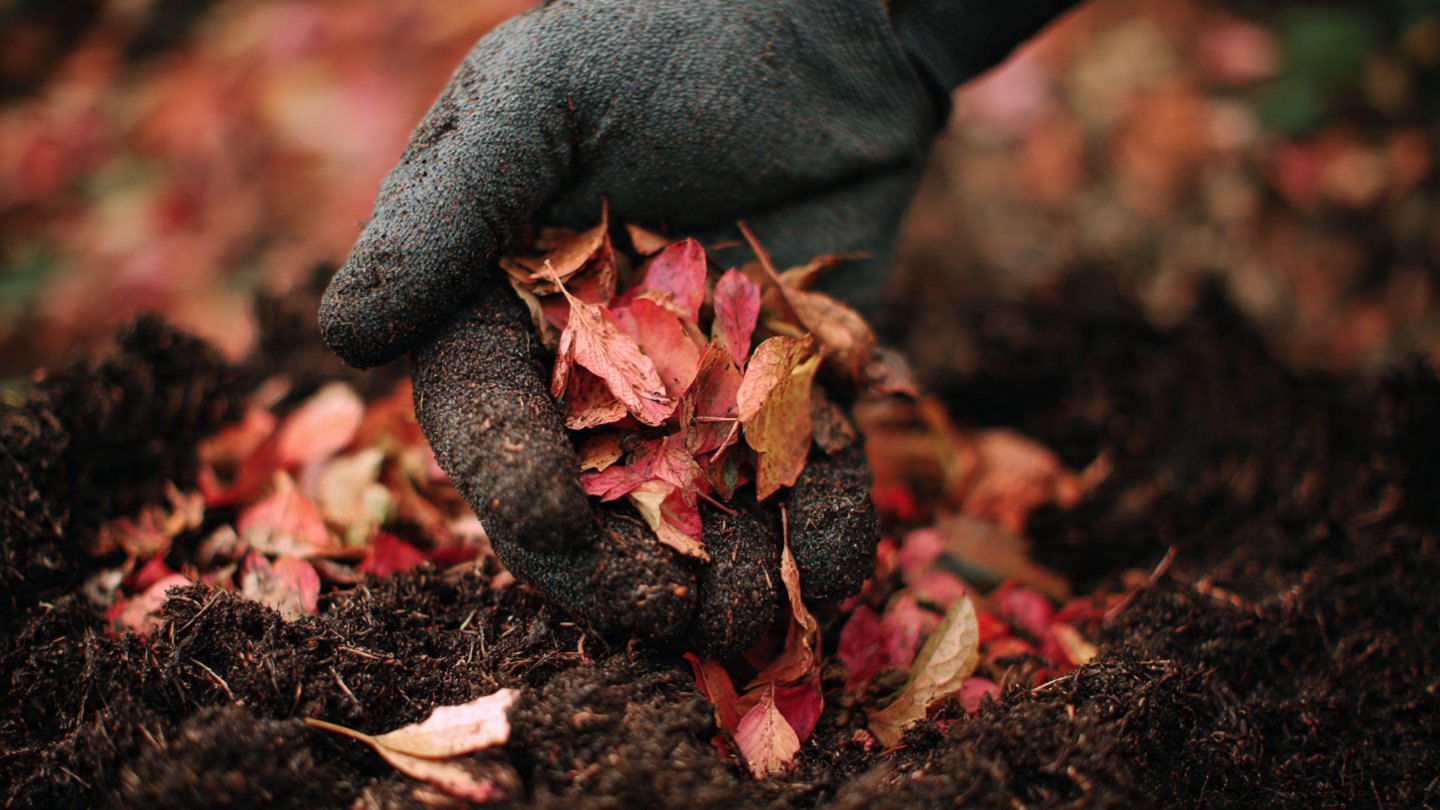
As the warm hues of autumn settle in and trees shed their leaves, gardeners are presented with a unique opportunity to enhance the soil in their gardens. While many might see fallen leaves as mere debris to rake up, these organic materials can play a vital role in enriching garden soil, encouraging good plant health, and promoting sustainable gardening practices. In this article, we’ll explore how autumn leaves can transform your garden soil and optimize your gardening endeavors.
The Benefits of Autumn Leaves in Garden Soil
Autumn leaves are rich in nutrients and can significantly improve soil structure and health. When utilized properly, they offer several benefits:
- Nutrient-Rich Amendment: As leaves decompose, they release essential nutrients like nitrogen, phosphorus, and potassium back into the soil, which plants need for growth.
- Soil Structure Improvement: Leaves contribute organic matter that enhances the soil’s texture, improving aeration and drainage.
- Moisture Retention: The addition of leaves helps maintain soil moisture, reducing the need for frequent watering.
- Beneficial Microorganisms: Decomposing leaves provide a habitat for various soil microbes and earthworms, which further enrich the soil ecosystem.
How to Use Autumn Leaves in Your Garden
Incorporating leaves into your garden isn’t merely about dumping them onto flowerbeds; there are various methods to optimize their benefits:
1. Leaf Mulch
Shredding leaves before applying them as mulch can be particularly effective. Shredded leaves break down faster, enriching the soil in less time. Apply a layer of 2-4 inches around plants, avoiding direct contact with stems to prevent rot.
2. Composting
Composting leaves with garden scraps and kitchen waste is another option. Leaves are excellent carbon sources, balancing the nitrogen-rich materials and facilitating efficient composting. Aim for a ratio of 30 parts carbon (leaves) to 1 part nitrogen (green waste) for optimal composting.
3. Soil Incorporation
If you prefer a quicker release of nutrients, you can also till shredded leaves directly into the soil. This method incorporates organic matter and improves soil aeration while enabling microbial life to flourish.
4. Leaf Mold
Creating a leaf mold involves stacking leaves in a designated area and allowing them to decompose over time. This process produces dark, crumbly substance that is beneficial for soil health when mixed in with existing soil.
Best Practices for Using Autumn Leaves
To maximize the benefits of autumn leaves, consider the following best practices:
- Shredding: Shredded leaves decompose faster, allowing for quicker nutrient release.
- Monitor Leaf Type: Some leaves, like walnut, can be allelopathic, inhibiting the growth of certain plants. Always check the suitability of leaf types before use.
- Avoid Diseased Leaves: Ensure that the leaves you collect are free from diseases or pests to avoid introducing them into your garden.
- Layering: When using leaves as mulch, layer them with other organic materials like grass clippings or straw for optimal results.
Autumn Leaves and Soil Health
Utilizing autumn leaves can significantly enhance soil health. As leaves break down, they improve microbial activity, creating a balanced ecosystem. A thriving microbial environment promotes nutrient cycling, ensuring that your plants have access to the resources they need throughout the growing season.
Moreover, as a source of organic matter, leaves help bind soil particles together, reducing erosion and improving drainage. This is especially crucial during heavy rains when excess water can easily wash away valuable topsoil.
The Role of Earthworms
Earthworms play a vital role in soil health, and autumn leaves provide a feast for them. As leaves decompose, they attract these beneficial creatures, which aerate the soil and contribute to nutrient cycling. In a healthy garden ecosystem, earthworms can be your greatest allies, turning organic matter into nutrient-rich castings that feed your plants.
Autumn Leaves and Environmental Impact
Integrating autumn leaves into your gardening routine not only benefits your garden but also helps the environment. By using natural materials rather than chemical fertilizers, you’re reducing the carbon footprint associated with synthetic products. Furthermore, this practice supports local wildlife, promotes biodiversity, and helps in reducing landfill waste.
In a world where sustainable practices are becoming increasingly essential, making use of natural waste products like autumn leaves highlights the significance of organic gardening and environmental stewardship. Transforming what could be considered waste into valuable resources is at the heart of sustainable gardening.
Conclusion
Autumn leaves are a treasure trove of potential for gardeners looking to enhance their soil health. By recognizing their benefits and employing them correctly, you can significantly improve your garden’s productivity and sustainability. Whether through mulching, composting, or direct soil incorporation, the humble leaf has the power to transform your garden into a thriving oasis. Embrace this seasonal gift and watch your garden flourish!
FAQs
1. Can I use any type of leaves in my garden?
While most leaves are beneficial, certain types like walnut or eucalyptus can inhibit plant growth due to their allelopathic properties. It’s always advisable to research specific leaf types before using them.
2. How should I prepare leaves before using them?
Shredding leaves is recommended as it speeds up decomposition and nutrient release. You can use a leaf shredder or run over them with a mower to break them down.
3. How long does it take for leaves to decompose in my garden?
The decomposition time can vary based on the type of leaves, environmental conditions, and how they’re used. Typically, shredded leaves will break down within a few months to a year.
4. Can I add leaves directly to my vegetable garden?
Yes, as long as the leaves are free from disease and pests, adding them as mulch or incorporating them into the soil can enhance nutrient levels and improve soil structure.
5. Is there a specific time to apply leaves in my garden?
Autumn is the ideal time to apply leaves before winter sets in, but they can also be collected and used throughout the year, depending on how you plan to incorporate them.