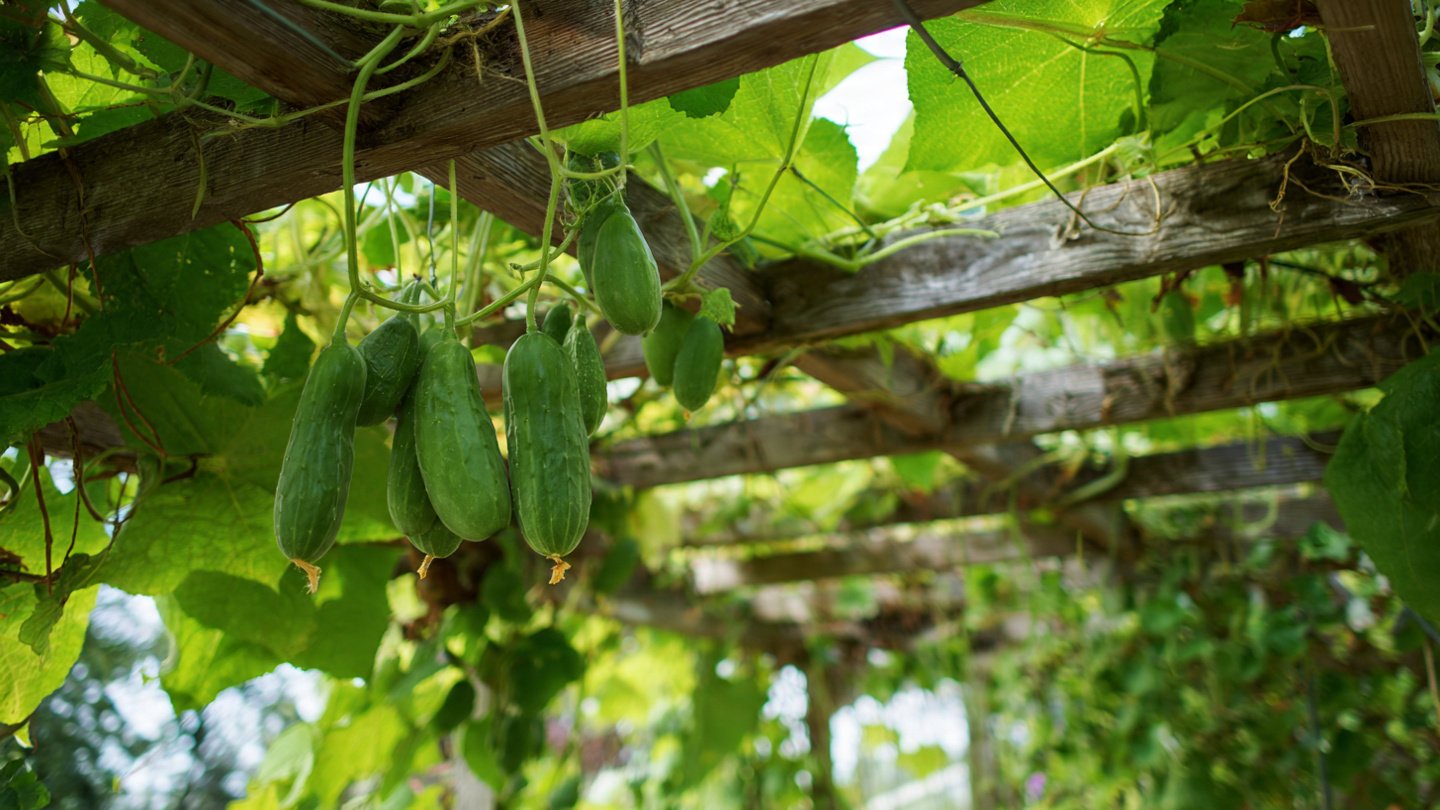
Creating a vertical cucumber trellis can significantly improve your gardening experience and make the cultivation of cucumbers not only more enjoyable but also easier on your body. Gardening is known to be a therapeutic activity, but it can also be physically demanding, especially for those with back pain. A vertical trellis allows cucumbers to grow upward rather than sprawling out on the ground, which can alleviate some of the physical strain associated with gardening. This method not only helps in managing your back pain but also enhances the growth and yield of your cucumbers. Here’s a comprehensive guide on creating a vertical cucumber trellis while taking your back health into account.
Understanding the Benefits of Vertical Gardening
Vertical gardening is not just a space-saving technique; it offers numerous advantages, especially for those suffering from back issues:
-
Reduced Strain: By elevating your plants, you avoid bending over or squatting to reach them, significantly reducing the strain on your back.
-
Improved Airflow and Sunlight: Vertical plants benefit from better air circulation and sunlight exposure, leading to healthier growth.
-
Pest and Disease Management: Elevating cucumbers off the ground can reduce the risk of pests and diseases that typically affect ground-level plants.
-
Ease of Harvesting: Picking cucumbers from a trellis is much simpler than bending down to harvest from the ground.
-
Maximized Yield: Vertical growth can increase production per square foot, allowing for more efficient use of garden space.
Planning Your Vertical Trellis
Before starting your trellis project, it’s essential to plan effectively. Consider the following aspects:
-
Location: Choose a sunny spot where your cucumbers will receive at least 6-8 hours of sunlight per day. Ensure there’s enough space for your trellis and that it’s easily accessible.
-
Trellis Type: There are several designs for cucumber trellises, including A-frame, simple vertical frames, and tunnel styles. Choose one that fits your garden space and personal preference.
-
Materials: Select sturdy materials that can withstand the weight of growing cucumbers. Common materials include wood, metal, or PVC pipes.
-
Height: Depending on the space you have, decide how tall you want your trellis to be. Generally, a height of 5-6 feet works well for most cucumber varieties.
Materials Needed
For a basic vertical cucumber trellis, gather the following materials:
- Trellis Frame: Wooden posts, metal stakes, or PVC pipes.
- Support Structure: Wire mesh, netting, or twine for the cucumbers to climb on.
- Tools: A hammer, drill, tape measure, and possibly a saw for cutting materials.
- Protective Gear: Gloves and a back support belt to help during assembly if you have back pain.
Step-by-Step Construction of Your Trellis
-
Prepare the Area: Clear your chosen area of any weeds or debris.
-
Dig Holes for the Posts: Dig holes for your support posts at least 2 feet deep to ensure stability. Place the holes about 4 to 6 feet apart.
-
Install Your Posts: Insert the posts into the holes and ensure they’re vertical using a level. Fill the holes with soil or concrete for added strength.
-
Attach the Support Structure: Once the posts are secure, attach your support structure. If you’re using wire mesh, cut it to size and stretch it between the posts, securing it with staples or ties. For twine, wrap it vertically around the posts, leaving gaps for the cucumbers to climb.
-
Create a Top Crossbar (Optional): For added stability, consider adding a crossbar at the top of the posts. This can help support the weight of sprawling cucumber vines and prevent sagging.
-
Final Touches: Inspect your trellis for any sharp edges or protruding wires that could pose a risk. Smooth out any rough patches and ensure all parts are secure.
Planting Your Cucumbers
Once your trellis is ready, the next step is planting your cucumber seeds or seedlings. Here are some tips:
-
Soil Preparation: Before planting, amend your soil with compost to improve fertility. Cucumbers thrive in well-draining, nutrient-rich soil.
-
Planting Depth: Sow seeds or plant seedlings at a depth of about 1 inch. For seedlings, ensure you plant them slightly deeper than they were in their starter pots.
-
Spacing: If you’re using seedlings, space them about 12-18 inches apart to facilitate air circulation and reduce competition for nutrients.
-
Watering: Water the plants thoroughly after planting and maintain consistent moisture. Cucumbers prefer consistent soil moisture, especially during their growth phase.
Training Your Cucumbers to Climb
As your cucumber plants begin to grow, they will need guidance to ensure they climb the trellis effectively:
-
Use Garden Twine: When your plants are around 12 inches tall, gently tie their main stems to the trellis using soft garden twine to avoid damaging the plants.
-
Pinching Back: After the plants reach the top of the trellis, pinch back the tips to encourage bushier growth and more fruiting branches.
-
Regular Monitoring: Regularly check your plants and adjust ties as necessary, ensuring their upward growth continues smoothly.
Managing Back Pain While Gardening
Even with a vertical trellis, it’s essential to protect your back while tending to your plants. Here are some strategies:
-
Take Breaks: Avoid prolonged periods of bending or reaching. Take regular breaks to alleviate strain on your back.
-
Use Ergonomic Tools: Consider using tools designed to minimize strain, like long-handled hoes or trowels.
-
Wear Support Gear: A back support belt can help alleviate pressure during gardening tasks.
-
Practice Proper Lifting Techniques: When lifting bags of soil or other materials, bend at the knees instead of the waist. Keep the load close to your body for better leverage.
-
Stretch Before and After: Simple stretches before and after gardening can improve flexibility and reduce stiffness.
Conclusion
Creating a vertical cucumber trellis is not only a clever gardening technique; it’s also a fantastic way to manage back pain while growing one of the most popular vegetables in home gardens. By minimizing physical strain and enhancing the growing conditions for your cucumbers, you can enjoy a bountiful harvest without the discomfort that often accompanies traditional gardening methods.
With careful planning and execution, you will find that your vertical trellis not only sustains your cucumbers but also sustains you, making gardening a fulfilling hobby without the physical toll. Embrace this innovative way of growing, and enjoy both the fruits of your labor and the comfort of gardening in a way that honors your body’s needs.