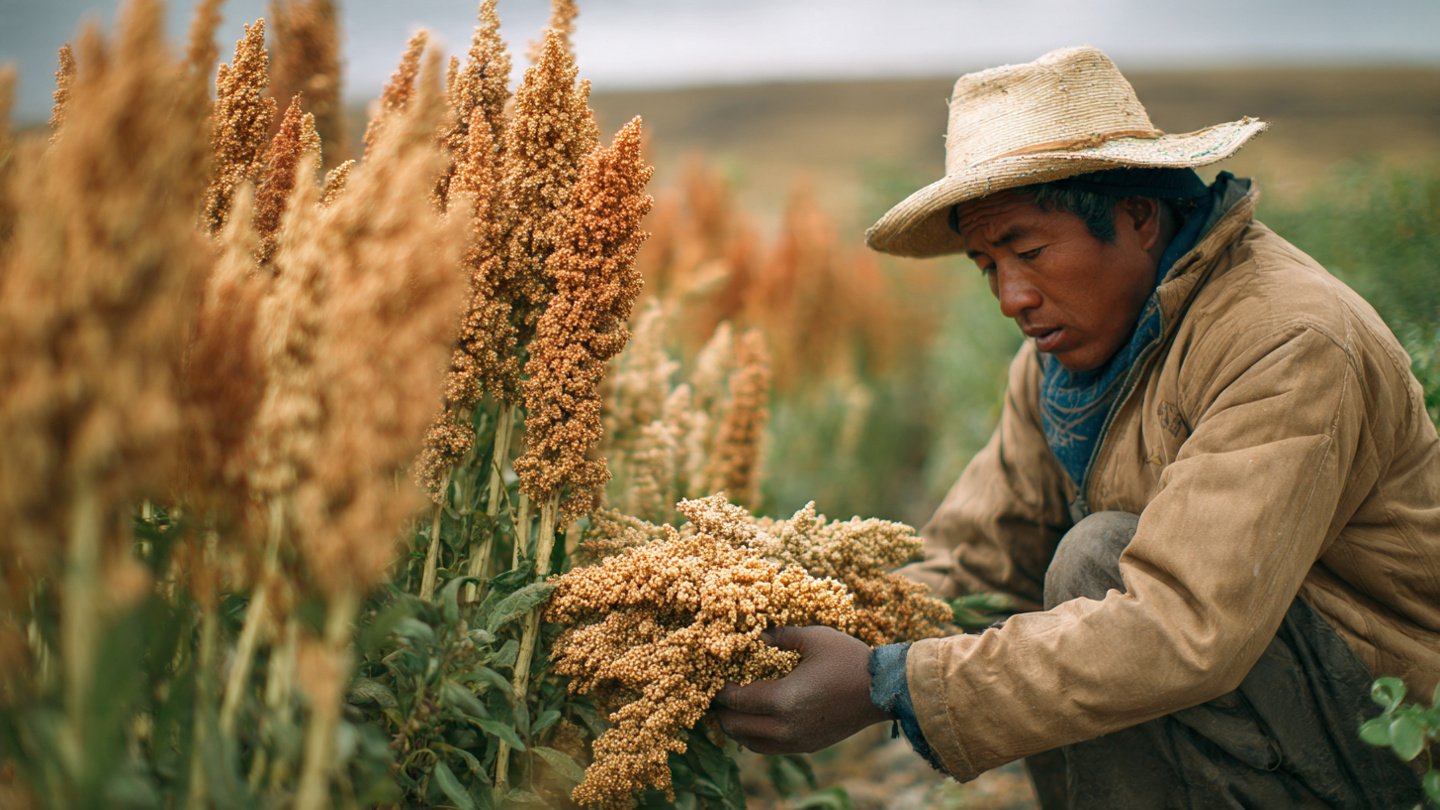
Quinoa, a superfood often classified as a grain, is actually a seed. Renowned for its high protein content and essential amino acids, quinoa is a complete source of nutrition, making it an excellent choice for vegetarians and health enthusiasts alike. Cultivating quinoa can be both rewarding and sustainable, whether you’re a home gardener or looking to scale your production. This article will guide you through the essential steps to cultivate quinoa successfully, from selecting the right varieties to harvesting and storage.
1. Understanding Quinoa
Quinoa (Chenopodium quinoa) is native to the Andean region of South America. Its grains are rich in protein, fiber, vitamins, and minerals, making it a versatile addition to various diets. Here are some key reasons why quinoa should be part of your garden:
- Nutritional Value: Quinoa is a complete protein, containing all nine essential amino acids.
- Gluten-Free: It’s a safe alternative for individuals with gluten intolerance.
- Ecologically Sustainable: Quinoa requires less water and has a lower environmental impact compared to many other crops.
2. Selecting the Right Variety
When growing quinoa, choosing the right variety is crucial for success. Some popular varieties include:
- White Quinoa: The most common variety, mild flavor.
- Red Quinoa: Offers a nutty flavor and is slightly firmer.
- Black Quinoa: Distinctly earthy, often used in salads and gourmet dishes.
Farmers should also consider their local climate and soil conditions. Quinoa thrives in warm, dry climates but can adapt to various conditions if properly managed.
3. Preparing the Soil
Before planting quinoa, proper soil preparation is essential. Here are the steps to ensure your soil is ready:
- Soil Testing: Test your soil to check for pH levels and nutrient content. Quinoa prefers a pH of 6.0 to 7.0.
- Tilling: Till the soil helps aerate it, making it easier for roots to establish.
- Amending Soil: Based on the soil test results, amend with organic matter or fertilizers as needed.
4. Planting Quinoa
Timing is key when planting quinoa. Here’s how to go about it:
- Timing: Plant quinoa in late spring after the last frost when soil temperatures reach at least 60°F (15°C).
- Spacing: Sow seeds about 1 inch deep, with a spacing of 12 to 18 inches between plants to allow for growth.
- Seed Rate: About 5 to 6 seeds per foot is recommended.
5. Caring for Your Quinoa Plants
Once planted, quinoa requires regular care to thrive:
Watering
Quinoa is drought-tolerant but benefits from consistent moisture, especially during germination. Water deeply but infrequently to encourage deep root systems.
Weeding
Weed management is critical; quinoa’s slow growth means it’s vulnerable to competition. Use mulch or manually remove weeds as needed.
Pest and Disease Management
Monitor plants for common pests like aphids and leafhoppers. Employ organic insecticides or natural predators when necessary. Quinoa can also be susceptible to diseases, so crop rotation is advisable.
6. Harvesting Quinoa
Harvesting can typically occur around 90 to 120 days after planting, depending on the variety and growing conditions. Here’s how to know when your quinoa is ready:
- Color Change: When the seed heads turn from green to a golden brown, it’s time to harvest.
- Dried Seeds: If seeds can be easily crushed, they’re ready.
To harvest, cut the stalks and apply pressure to gather the heads. You can then thresh the seeds to separate them from the chaff.
7. Storing Quinoa
Once harvested, proper storage is crucial to maintain the quality of quinoa:
- Drying: Ensure seeds are thoroughly dried before storing to prevent mold.
- Containers: Store in airtight containers in a cool, dry place. Glass jars or vacuum-sealed bags work well.
- Long-Term Storage: For extended storage, consider freezing the seeds.
Conclusion
Cultivating quinoa is a fulfilling endeavor for any gardener or farmer looking to provide a nutritious food source. With proper planning, care, and management, you can enjoy the many health benefits that quinoa offers. Its adaptability and resilience make it a worthy addition to diverse agricultural systems. Soon, you’ll be able to enjoy homegrown quinoa in various dishes, enriching your meals with a nourishing protein source that supports both personal health and sustainable agriculture.
FAQs
1. Is quinoa difficult to grow?
No, quinoa is relatively easy to grow, especially with the right climate and conditions. It is adaptable and can flourish in various environments.
2. How much sunlight does quinoa need?
Quinoa thrives in full sun and requires at least 6-8 hours of direct sunlight each day.
3. Can I grow quinoa in containers?
Yes, quinoa can be grown in containers as long as they are deep enough to accommodate root growth and have good drainage.
4. How do I know when quinoa is ready to harvest?
Quinoa is ready for harvest when the seed heads change from green to a golden brown color and seeds can be easily crushed between your fingers.
5. Is quinoa a good crop for new gardeners?
Yes! Quinoa is a great option for new gardeners due to its less demanding growth conditions compared to other crops.