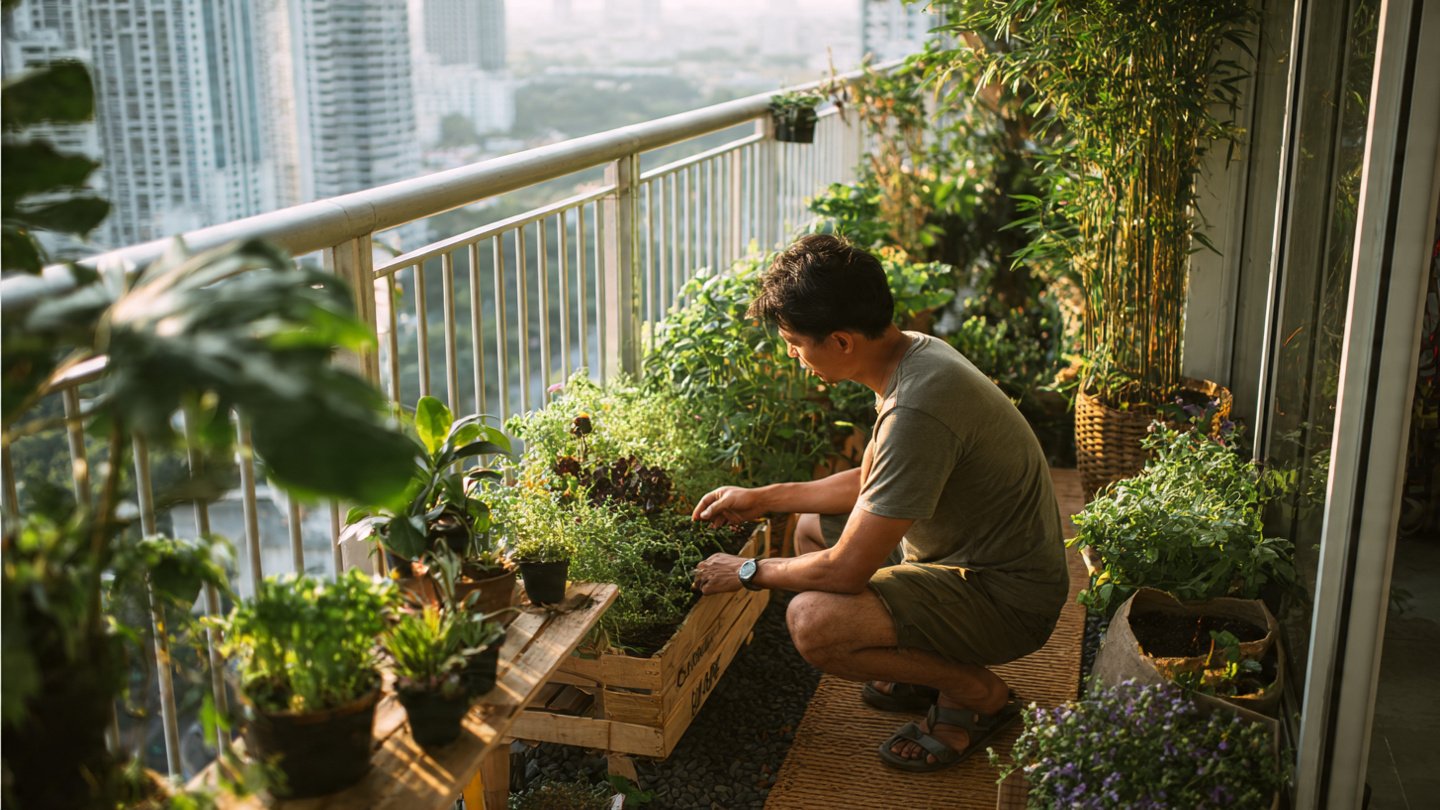
Hurricanes can wreak havoc on homes and gardens, including those in urban areas. While a balcony garden may not face the same risks as a traditional garden, it still requires preparation to withstand high winds and heavy rainfall. This article aims to guide you through effective strategies to safeguard your balcony garden in the event of a hurricane.
Understanding Hurricane Risks
Before diving into preparations, it’s essential to understand the specific risks hurricanes pose to balcony gardens. High winds can uproot plants, damage containers, and displace garden features. Heavy rainfall may lead to waterlogging, causing plants to drown, while debris can damage fragile flora.
Risk Assessment
Begin by assessing the vulnerability of your balcony garden:
- Plant Type: Identify which plants are more susceptible to wind and rain.
- Container Stability: Consider the weight and design of your pots.
- Location: Evaluate how exposed your balcony is to wind and rain.
- Structural Integrity: Check the sturdiness of railings and walls that may shelter your plants.
Prioritize Plant Selection
Choose Resilient Plants
If you live in a hurricane-vulnerable area, consider incorporating plants that can withstand harsh conditions:
- Perennials: They tend to have strong root systems. Examples include lavender and sedum.
- Drought-Resistant Plants: Succulents and cacti can thrive despite heavy rain.
- Deep-Rooted Plants: Plants like bamboo and certain grasses can withstand high winds due to their robust root systems.
Group Plants Strategically
Position plants in a way that offers them mutual protection:
- Tall Plants in the Back: Place taller plants at the back of your balcony to shield smaller plants from wind.
- Cluster Containers: Group your pots together to create a windbreak effect.
Container Considerations
Use Heavy Containers
Opt for heavy pots and containers to reduce the likelihood of them being blown away. Options include:
- Ceramic or Stone Pots: These are generally heavier and less likely to tip over.
- Weighted Planters: Some planters are designed specifically for high winds.
Secure Containers
Even heavy pots can shift during strong winds. To prevent movement:
- Anchor Pots to the Railing: Use bungee cords or rope to secure your pots to the balcony railing.
- Use Velcro Strips: Attach Velcro strips to the balcony surface to hold lightweight pots in place.
Pruning and Maintenance
Regular maintenance can significantly increase your garden’s resilience:
- Prune Wisely: Trim any dead or weak branches that could easily snap in high winds.
- Remove Weeds: Weeds can compete for water and nutrients, weakening the overall health of your plants.
Fertilization
A healthy, well-nourished plant can withstand stress better. Use organic fertilizers to promote vigorous growth. Opt for nutrient-rich compost that can also help retain moisture, particularly useful for heavy rains.
Prepare for Heavy Rain
Improve Drainage
Waterlogging is a risk during hurricanes, so ensuring proper drainage is crucial:
- Drainage Holes: Ensure all containers have adequate drainage holes to prevent water accumulation.
- Add Rocks or Gravel: Layer the bottom of pots with rocks or gravel to improve drainage.
Elevate Containers
Consider elevating pots and containers slightly off the ground:
- Use Plant Stands: This will help prevent water damage and make it easier for excess water to escape.
- Create a Sloped Surface: If possible, arrange your pots on a slight incline to aid drainage.
Clear the Balcony
Remove Loose Items
Anything not securely attached should be removed:
- Garden Tools: Store tools indoors to prevent them from becoming projectiles.
- Decor and Furniture: Move outdoor furniture, decorative items, and lightweight ornaments inside or to a secure area.
Secure Fencing and Railings
Check the structural integrity of your balcony:
- Tighten Loose Railings: Ensure that any railings or barriers are securely fastened.
- Install Windbreaks: If your balcony is particularly exposed, consider adding windbreaks, such as mesh screens or curtains, which can reduce wind impact.
Protecting Delicate Plants
Bring Indoors
If possible, move delicate plants indoors before a storm:
- Potted Indoor Plants: Those that can easily transition should be brought inside.
- Cover Vulnerable Species: For plants that cannot be moved, consider using protective coverings, such as burlap or garden fabric.
Create a Hurricane Kit
A well-stocked hurricane kit can save time and stress during a cyclone:
- Tools: Keep essential gardening tools handy for quick repairs.
- Tarps or Covers: Have a few tarps or protective covers on hand to shield plants.
- Storage Container: Designate a waterproof container to store your garden supplies.
Stay Informed
Monitor weather updates closely, especially during hurricane season. Set up alerts through weather apps or local news channels for timely warnings.
Post-Hurricane Recovery
Once the storm has passed, you’ll need to assess damage and take action:
- Inspect Plants: Look for any damaged plant life or uprooted containers.
- Remove Debris: Clear away fallen leaves, branches, and other debris.
- Assess Soil Conditions: Check for waterlogging and consider soil amendments to help revive stressed plants.
Replanting
If any plants did not survive, consider replacing them with hardier alternatives designed to handle future storms. This is an excellent time to redesign your balcony garden for better resilience.
Conclusion
Preparing your balcony garden for a hurricane doesn’t have to be an overwhelming task. With a proactive mindset and the right strategies, you can minimize damages and increase your plants’ chances of survival. From plant selection and container stability to regular maintenance and post-hurricane recovery, each step is crucial for promoting resilience in your green space. By taking these measures, you can enjoy your balcony garden for many seasons despite the challenges posed by stormy weather.