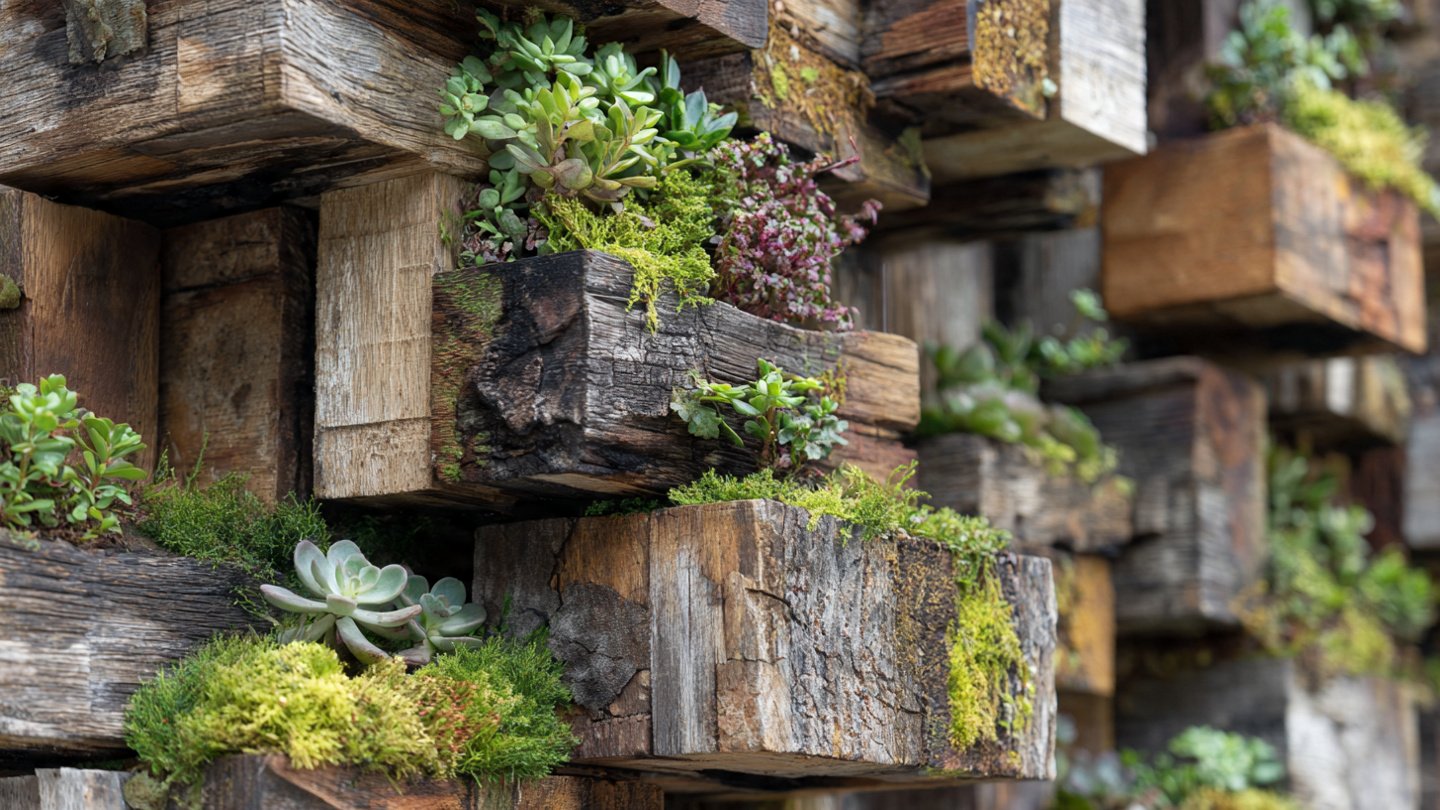
Creating a vertical planter from scrap wood not only helps to reduce waste but also allows you to beautify your outdoor or indoor space creatively. Vertical gardening is a great way to utilize minimal space effectively while showcasing your skills and creativity. Let’s delve into the steps needed to transform that pile of scrap wood into a stunning vertical planter.
Benefits of Vertical Gardening
Vertical gardening offers numerous benefits, including:
- Space Efficiency: Perfect for smaller yards or patios.
- Aesthetic Appeal: Adds visual interest and charm to any space.
- Improved Plant Health: Better drainage, air circulation, and sun exposure.
- Sustainability: Upcycling scrap materials contributes to environmental conservation.
Tools and Materials Needed
Before starting, gather the following tools and materials:
- Scrap wood (planks, pallets, or leftover materials)
- Wood screws or nails
- Drill
- Saw (hand saw or power saw)
- Sandpaper or a power sander
- Wood stain or paint (optional)
- Galaxy film (for weed control)
- Potting soil
- Plants (herbs, flowers, or succulents)
Step-by-Step Process
Step 1: Plan Your Design
Before you go ahead and cut any wood, it’s crucial to have a design in mind. Decide how tall and wide you want your vertical planter to be, and sketch it out. Consider how many planting sections you want and how they will be arranged. A simple rectangular or tiered design is often the easiest to build.
Step 2: Measure and Cut the Wood
Once you finalize your design, measure the scrap wood according to your plan. Use a saw to cut the wood pieces into the required lengths. Make sure to wear protective gear such as gloves and goggles while working with power tools.
Step 3: Sand the Edges
With all pieces cut to size, it’s time to smooth out the edges. Sanding helps to eliminate splinters and makes your planter safe to handle. You can use sandpaper or a power sander, depending on the amount of wood you’re working with.
Step 4: Assemble the Frame
Start by creating the frame for your vertical planter. Use screws or nails to join the planks together, forming the base structure. Make sure it’s sturdy, as it will need to hold the weight of the soil and plants. If you’re making a tiered design, include horizontal supports for the shelves where seedlings will sit.
Step 5: Install a Barrier
To prevent the soil from falling out, staple the landscape fabric or Galaxy film to the back and sides of the planter frame. This fabric allows for drainage while keeping the soil contained and minimizing weed growth.
Step 6: Paint or Stain (Optional)
To enhance the look of your planter, consider applying a coat of wood stain or paint. Choose a color that complements your garden or home. If painting, ensure the paint is non-toxic and safe for plants.
Step 7: Fill with Soil
Once your frame is complete and dry, fill each planting tier with potting soil. Make sure to pack the soil down lightly to eliminate air pockets. You can also add some organic compost to enrich the soil with nutrients.
Step 8: Plant Your Plants
Select a variety of plants that thrive well in vertical gardens, such as herbs, small flowering plants, or succulents. Arrange the plants according to their sunlight and water needs. If you’re planning to grow vegetables, ensure they’re suited to vertical growth.
Step 9: Watering and Maintenance
After planting, water your vertical planter thoroughly. Ensure that the water drains well and doesn’t cause the soil to become waterlogged. Maintain your planter by regularly checking the moisture level in the soil and trimming any dead leaves or overgrown plants.
Conclusion
Transforming a pile of scrap wood into a stunning vertical planter is not just an eco-friendly project; it’s a fulfilling way to enhance your space with greenery. By following the steps outlined above, you can create a beautiful, functional piece that not only showcases your plants but also highlights your creativity and resourcefulness. So gather your materials, unleash your imagination, and enjoy the beauty of nature in your transformed space.
FAQs
1. What types of plants are best for a vertical planter?
Herbs like basil, parsley, and mint, as well as small flowers like petunias and succulents, are excellent choices for vertical planters.
2. How much sunlight does a vertical planter need?
Most plants thrive with at least 6 hours of direct sunlight daily. Consider the specific light requirements of the plants you choose.
3. Can I use untreated wood for my planter?
While untreated wood can be used, it’s advisable to use treated wood or apply a non-toxic sealant to prolong the life of your planter and prevent rot.
4. How do I water my vertical planter?
Water from the top and ensure that it drains well. You may also consider using a drip irrigation system for more convenience.
5. Is it possible to relocate my vertical planter?
Yes, smaller vertical planters can be moved easily. However, ensure that the plant roots are well-established and that you handle the planter carefully to avoid soil disturbance.