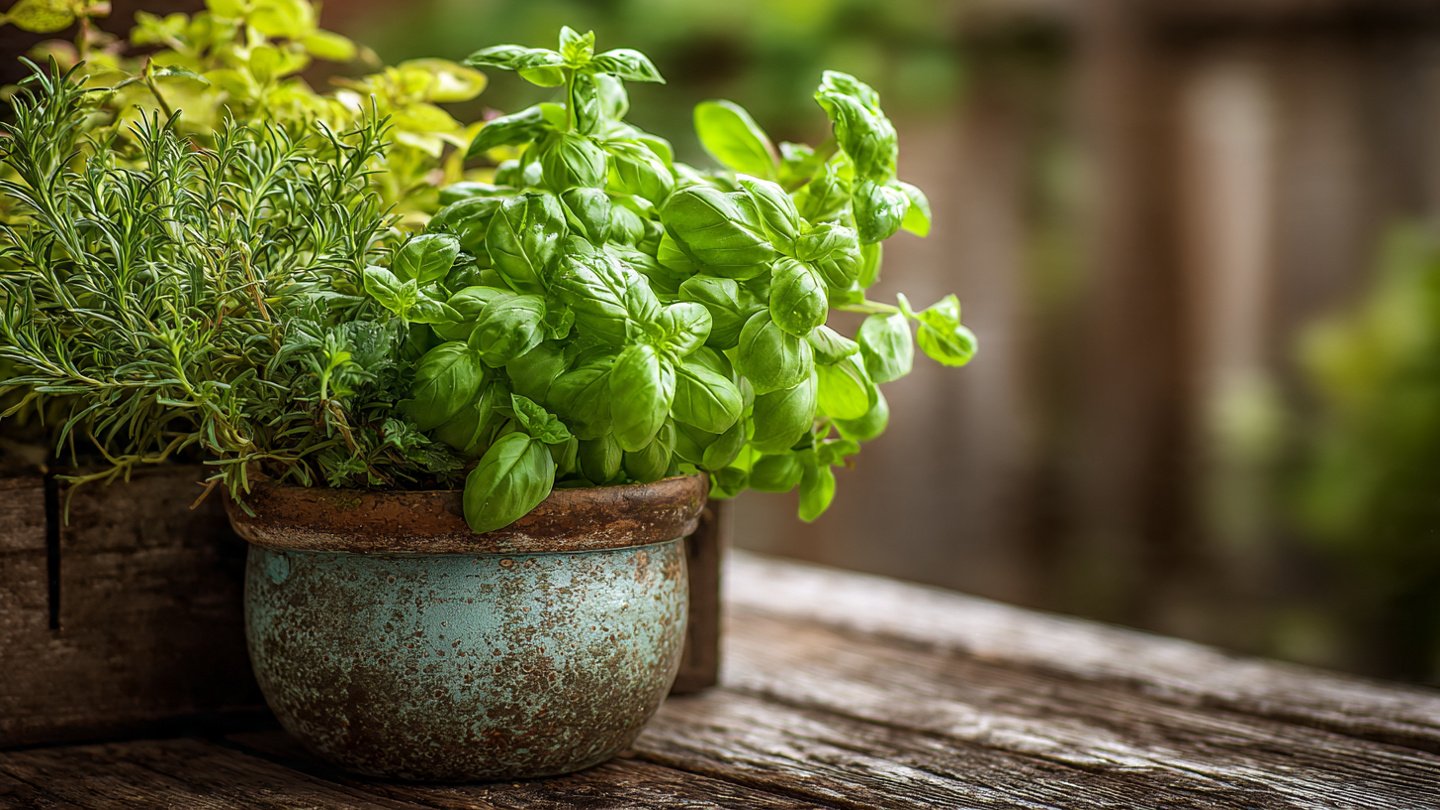
Growing herbs can be one of the most rewarding pursuits for gardeners and culinary enthusiasts alike. However, there comes a point when your vibrant green herbs may start to show signs of distress, commonly indicated by yellowing leaves. This unexpected change can be disheartening and often raises questions about what is going wrong in your herb garden. Understanding the reasons behind yellowing leaves is essential for a successful gardening experience. In this article, we’ll explore various factors that could cause your herbs to turn yellow, how to identify potential issues, and effective solutions to revive your plants.
Natural Aging Process
The Lifecycle of Herb Plants
First and foremost, it’s essential to acknowledge that herb plants, like other living organisms, have a natural life cycle. As herbs grow older, it is normal for some leaves to turn yellow and die back. Older leaves tend to become less productive as they use up nutrients. If only the older leaves are turning yellow while younger ones remain healthy and vibrant, this could simply indicate the natural aging process.
What to Look For
If your yellowing is confined to the oldest leaves, you shouldn’t be overly concerned. However, if yellowing affects newer leaves or spreads throughout the plant, it’s a sign that something more serious is happening.
Nutrient Deficiencies
Nitrogen Deficiency
One of the most common reasons for yellowing leaves in herb plants is nitrogen deficiency. Nitrogen is a crucial nutrient that helps in the synthesis of chlorophyll, the pigment responsible for the green color in plants. If your herbs are nitrogen-deficient, you might notice the older leaves turning yellow while the younger leaves stay green.
Identifying Nutrient Deficiencies
A nitrogen deficiency can usually be identified by yellowing leaves that appear uniformly across the plant, particularly in older foliage. In conjunction with yellowing, leaves may also appear stunted or have reduced growth.
Solutions
To remedy nitrogen deficiency, consider using a balanced fertilizer or an organic option like compost or well-rotted manure. These will provide essential nutrients without risking over-fertilization, which can lead to other problems.
Other Nutrient Deficiencies
Besides nitrogen, deficiencies in potassium, magnesium, and iron can also cause yellowing. Potassium deficiency often results in leaf scorch—yellowing and browning near the edges—while magnesium deficiency can lead to interveinal chlorosis, where the leaf tissue turns yellow while the veins remain green. For iron deficiency, younger leaves will yellow first. Testing your soil can help identify which nutrient deficiencies are at play.
Watering Issues
Underwatering
Insufficient watering can stress your herbs, leading to yellowing leaves as well. When the soil dries out too much, plants may conserve water by shutting down some of their processes, resulting in leaf discoloration.
Overwatering
Conversely, overwatering can also lead to yellowing leaves due to root rot. When roots sit in waterlogged soil, they can become anaerobic, leading to a decline in plant health. It can be challenging to gauge how much water is the right amount, so pay attention to how your plants respond.
Solutions
When assessing your watering practice, check the top inch of soil. If it’s dry, it’s time to water. If it’s soggy, wait a few days before watering again. Using pots with good drainage and ensuring the soil retains some moisture while drying out between watering can help maintain a healthy balance.
Pest Problems
Common Herb Pests
Pests such as aphids, spider mites, and whiteflies can wreak havoc on your herbs, leading to yellowing leaves. These pests feed on plant sap, weakening the plant and causing stress.
Identifying Pest Damage
Look for signs of insect infestations, such as small bugs on the leaves or a sticky residue (honeydew) that can attract other pests or lead to mold growth. Additionally, you might notice holes or stippling in the leaves.
Solutions
To combat pests, you can use insecticidal soap or neem oil to effectively reduce their numbers. Regularly inspecting your herbs for pests and maintaining good air circulation around plants can also help to prevent infestations from taking hold.
Disease Factors
Fungal Diseases
Diseases caused by fungi, such as powdery mildew or root rot, can lead to yellowing leaves as well. Powdery mildew appears as a white, powdery substance on the leaves, often leading to yellowing and leaf drop.
Bacterial and Viral Infections
Bacterial and viral infections could also be responsible for yellowing. Bacterial wilt is a particularly aggressive problem that can result in quick yellowing and wilting of leaves.
Solutions
Avoid overcrowding plants to improve air circulation and reduce the risk of fungal diseases. If you notice signs of disease, it’s crucial to remove infected plants part to prevent the disease from spreading to healthy ones. Using disease-resistant plant varieties can also mitigate risks.
Environmental Factors
Light Conditions
Inadequate or excessive sunlight can also affect herb health. Many herbs prefer full sun but can suffer from leaf burn if exposed to harsh, direct sunlight for too long. On the flip side, insufficient light can lead to etiolation, where plants stretch for light, resulting in thin, weak stems and yellowing leaves.
Solutions
Assess the light conditions in your growing space. If your herbs are receiving too much sun, consider providing some shade or relocating them to a spot with filtered light. For underexposed plants, you might need to move them to a sunnier location or supplement with grow lights.
Temperature Fluctuations
Extremes in temperature, either hot or cold, can stress herbs and lead to yellowing. Most herbs thrive in temperatures between 60°F and 75°F.
Solutions
Monitoring your plants’ environment is vital. Use cloches or row covers to protect plants from extreme weather conditions when necessary.
Soil Quality
Soil pH Levels
Soil pH affects nutrient availability. If your soil is too acidic or too alkaline, essential nutrients may become locked out, leading to deficiencies and yellowing leaves. Most herbs prefer slightly acidic to neutral soil (pH 6.0-7.0).
Solutions
Testing your soil pH can help identify potential issues. Many garden centers sell pH test kits. If your pH is too high or low, amendments like lime (to raise pH) or sulfur (to lower pH) can help adjust the conditions.
Compacted Soil
Compacted soil can inhibit root growth and reduce water absorption, leading to stress indicated by yellowing leaves. Herbs generally prefer well-draining, loamy soil.
Solutions
If compacted soil is a concern, consider amending your soil with organic matter like compost to improve texture and aeration.
Conclusion
Yellowing leaves in herbs can stem from various issues ranging from natural aging to nutrient deficiencies, watering practices, pest problems, disease factors, environmental conditions, and soil quality. By carefully observing your plants and understanding what signs to look for, you can identify the root cause of the problem and take corrective action.
Regular care and upkeep are essential, and being proactive about your plants’ health will help reward you with strong, vibrant herbs ready for your next culinary adventure. Whether you’re a beginner or seasoned gardener, understanding the nuances of herb care will elevate your gardening skills and ensure bountiful harvests for many seasons to come.