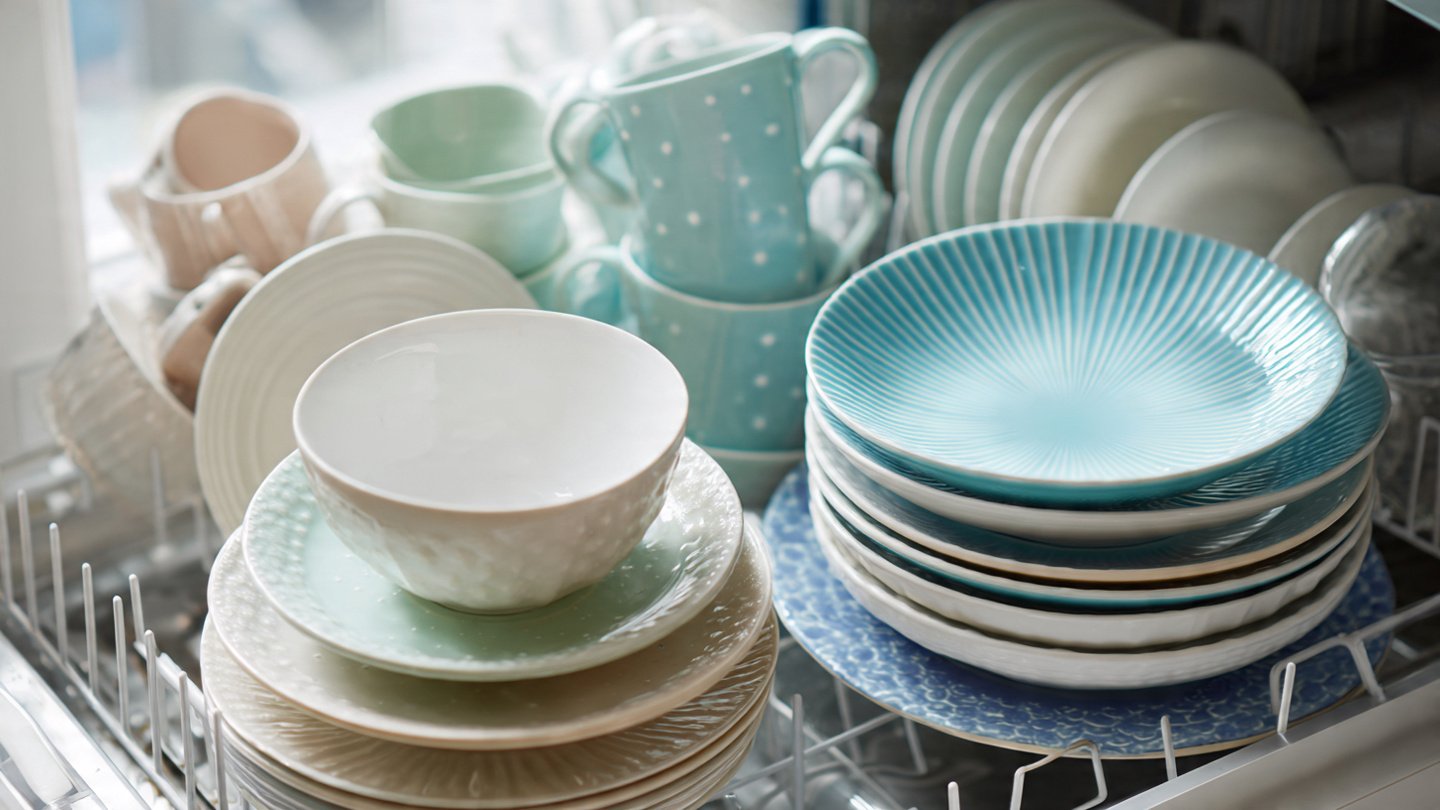
After a long day of cooking and preparing meals, many people find solace in the simple task of washing dishes. However, what follows—the drying of these dishes—can lead to an unsightly problem: white spots on your favorite glassware and dinnerware. These spots not only affect the appearance of your dishes but can also indicate an underlying issue. This article explores how your dish drying habits may be the culprit behind those pesky white spots, and how to address them effectively.
The Culprit: Hard Water Deposits
The primary reason for those unsightly white spots on your dishes is typically hard water. Hard water contains a high concentration of minerals, such as calcium and magnesium. When water evaporates from your dishes during the drying process, these minerals are left behind, leading to the formation of white spots.
How Hard Water Affects Your Dishes
When you wash your dishes with hard water, the following occurs:
- Mineral Buildup: As the water evaporates, minerals precipitate and cling to the surfaces of your dishes.
- Cloudy Glassware: The buildup can create a cloudy appearance on glassware, making it less aesthetically pleasing.
- Surface Damage: Over time, hard water deposits can etch the surface of your glassware and dinnerware, leading to permanent damage.
The Role of Drying Methods
Your drying habits can exacerbate the problem of white spots. Here are common methods of drying dishes and their effects:
1. Air Drying
Air drying is one of the most common methods for drying dishes, allowing them to sit on a drying rack. However, this method can lead to mineral deposits if your water is hard. As the water sits on the dishes, it can evaporate slowly, leaving minerals behind.
2. Towel Drying
While towel drying is quicker, it can also transfer minerals from the towel to the dishes if they are not made from the right material. Using a towel that hasn’t been washed properly can worsen the appearance of your glassware and dishes.
3. Dishwasher Drying
If you use a dishwasher, it’s essential to understand its drying cycle. Some dishwashers use a heated drying method which can minimize the risk of hard water deposits. However, if your dishwasher lacks this feature and you rely on air drying inside the machine, you may still end up with those annoying white spots.
What You Can Do
Combatting white spots on your dishes largely depends on adjustments you can make to your dish drying habits and the quality of your water. Here are several effective strategies:
1. Use a Water Softener
If hard water is an issue in your home, installing a water softener can greatly reduce mineral content. This will not only benefit your dishes but also extend the life of your appliances and plumbing.
2. Rinse Thoroughly
After washing your dishes, make sure to rinse them thoroughly with clean water to wash away any lingering soap and minerals. This is crucial in minimizing spots caused by hard water.
3. Dry Immediately
Instead of allowing dishes to air dry, consider drying them immediately with a clean, lint-free towel. This reduces the time water has to evaporate and leave deposits behind.
4. Use Vinegar
For a natural solution, try rinsing your dishes in a mixture of vinegar and water. Vinegar can help dissolve mineral deposits, leaving your dishes sparkling clean.
5. Utilize the Dishwasher’s Drying Cycle
If you prefer using a dishwasher, opt for one that has a heated drying cycle. Ensure that you regularly clean the dishwasher, as buildup can transfer to your dishes.
Conclusion
Understanding the reasons behind white spots on your dishes can empower you to implement better dish drying habits. The primary culprit, hard water, combined with certain drying methods, can lead to unsightly deposits that affect both the appearance and longevity of your dishware. By taking the necessary steps to soften your water, rinse thoroughly, and adjust your drying habits, you can enjoy clean, spot-free dishes for years to come. Give these strategies a try and reclaim the beauty of your kitchenware!
FAQs
1. What causes white spots on glass dishes?
White spots on glass dishes are primarily caused by hard water deposits from minerals like calcium and magnesium left behind after the water evaporates.
2. Can I prevent white spots if I have hard water?
Yes, using a water softener, rinsing dishes thoroughly, and drying them immediately can help prevent white spots.
3. How can vinegar help with dish drying?
Vinegar is a natural acid that can dissolve mineral deposits, making it an effective rinse to help eliminate white spots on dishes.
4. Is towel drying always better than air drying?
Towel drying can be better in preventing white spots; however, it’s essential to use a clean, lint-free towel to avoid transferring minerals back onto the dishes.
5. Should I worry about the effects of hard water on my health?
Generally, hard water is not harmful to health but can lead to other issues like skin irritation or damaging appliances. It’s worth addressing not only for your dishes but also for overall home maintenance.