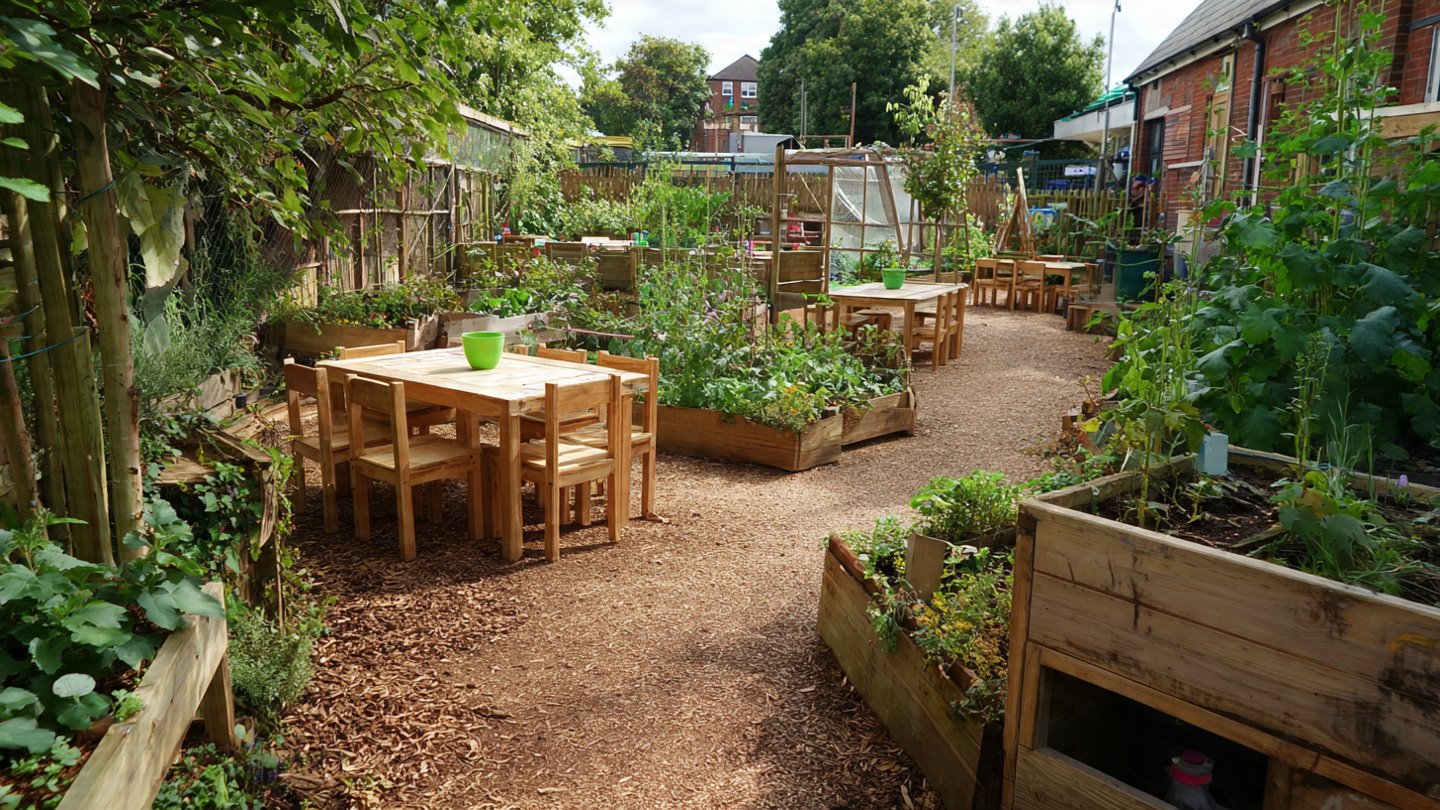
Gardening is often viewed as a recreational activity or a means to beautify homes. However, what many may overlook is the profound educational potential that lies within a garden. For children, engaging with nature through gardening can be a transformative experience, laying the groundwork for lifelong learning in various domains. This article will delve into why your garden serves as the ultimate classroom for kids, exploring its multifaceted benefits ranging from scientific understanding to social skills.
1. Hands-On Learning
Cultivating Scientific Curiosity
Gardening is rich in scientific concepts that can stimulate children’s curiosity. When children plant seeds, they begin a journey of observation and inquiry. They’ll experience the stages of plant growth firsthand, which introduces them to biology, ecology, and environmental science.
Key Concepts:
- Photosynthesis: Kids learn how plants convert sunlight into energy, fostering an understanding of a fundamental life process.
- Ecosystems: A garden is a miniature ecosystem. By exploring relationships between plants, insects, and soil, children gain insights into ecological balance and biodiversity.
Encouraging Experimentation
In a garden, experimentation is innate. Kids can make hypotheses about what will happen if they change certain variables, like planting depth or watering frequency. This hands-on approach not only bolsters their understanding of the scientific method but fosters critical thinking skills.
2. Nutrition and Healthy Habits
Understanding Where Food Comes From
Gardens serve as a powerful educational tool for teaching children about nutrition and healthy eating. When kids grow their own fruits and vegetables, they are more likely to try new foods and appreciate the effort that goes into producing healthy options.
The Pleasure of ‘Eat What You Grow’
Imagine a child picking a ripe strawberry or a juicy tomato straight from the vine. This experience deepens their connection to food and instills a sense of responsibility toward their diet, encouraging healthier choices as they learn about the significance of fruits and vegetables in their meals.
3. Environmental Stewardship
Cultivating an Appreciation for Nature
Gardening fosters a deep appreciation for nature. Children learn to observe the intricacies of plant life, the role of pollinators, and the importance of soil health. This connection heightens their awareness of environmental issues, such as climate change and habitat destruction, promoting responsible stewardship of the Earth.
Instilling Sustainable Practices
Through gardening, kids can learn the importance of sustainable practices like composting, water conservation, and organic gardening. Understanding these principles early in life helps shape future environmentally conscious citizens.
4. Fine and Gross Motor Skills
Physical Engagement
Gardening involves various physical activities, providing an excellent opportunity for children to develop their fine and gross motor skills. From digging and planting to watering and weeding, each task enhances physical coordination and stimulates muscle development.
Fine Motor Skills: Tasks such as planting seeds or carefully weeding require precision, helping children practice dexterity.
Gross Motor Skills: Activities like shoveling soil or moving pots engage larger muscle groups, promoting overall physical health.
5. Emotional and Social Skills
Building Responsibility and Patience
Gardening teaches children responsibility. They learn that their efforts will yield results, instilling a sense of ownership and pride. Whether it’s daily watering or regular weeding, the routine of caring for plants requires ongoing commitment.
Enhancing Emotional Well-Being
Spending time in nature has been shown to reduce stress and improve mental health. For children, gardening can be a soothing activity that allows for expression and exploration. The simple act of nurturing plants cultivates empathy, as they begin to understand the needs of another living being.
Teamwork and Social Interaction
Gardening can also be a communal activity. Involving siblings, friends, or even neighbors fosters teamwork and cooperation. Children learn valuable social skills such as communication, negotiation, and conflict resolution as they collaborate on gardening tasks.
6. Creative Expression
Inspiring Imagination
Gardening is an art form as much as it is a science. Children can express their creativity through landscaping and designing their gardens. They can choose what to plant, how to arrange their flowers, and what structures to incorporate, giving them a canvas to bring their visions to life.
Integrating Art and Nature
Gardening can be paired with various artistic activities, from painting garden markers to crafting scarecrows. These creative projects enhance cognitive abilities while providing ways for kids to interact with their garden.
7. STEM Education
Real-World Applications of Math
Gardening provides a practical context for learning essential math concepts. Whether measuring garden beds, calculating the distance between plants, or tracking growth rates, children apply mathematical thinking in tangible ways.
Scientific Inquiry and Technology
Gardening encourages STEM (Science, Technology, Engineering, and Mathematics) education. Kids can use technology, such as weather apps or gardening software, to plan and monitor their gardens. This intersection of technology and nature empowers children to blend traditional learning with modern tools.
Conclusion: The Lasting Impact of Gardening Education
The benefits of gardening as a classroom for children extend far beyond the immediate experience of planting and harvesting. The skills and knowledge they acquire in this natural setting lay the foundation for a brighter, healthier future. Engaging with nature fosters a sense of wonder and curiosity that enhances emotional intelligence, social skills, and academic prowess.
Encouraging children to spend time in a garden not only nurtures their own growth but also fosters a generation that values nature, sustainability, and community. Implementing gardening into your child’s daily routine can create lasting memories while providing unparalleled educational opportunities. With each small seed planted, a world of discovery unfolds, allowing children to blossom into informed, responsible, and caring adults.
Whether you have a sprawling backyard or a small balcony, every space can be transformed into an educational haven. So grab your gardening gloves, organize your seeds, and prepare for an adventure into the boundless classroom that is your garden.