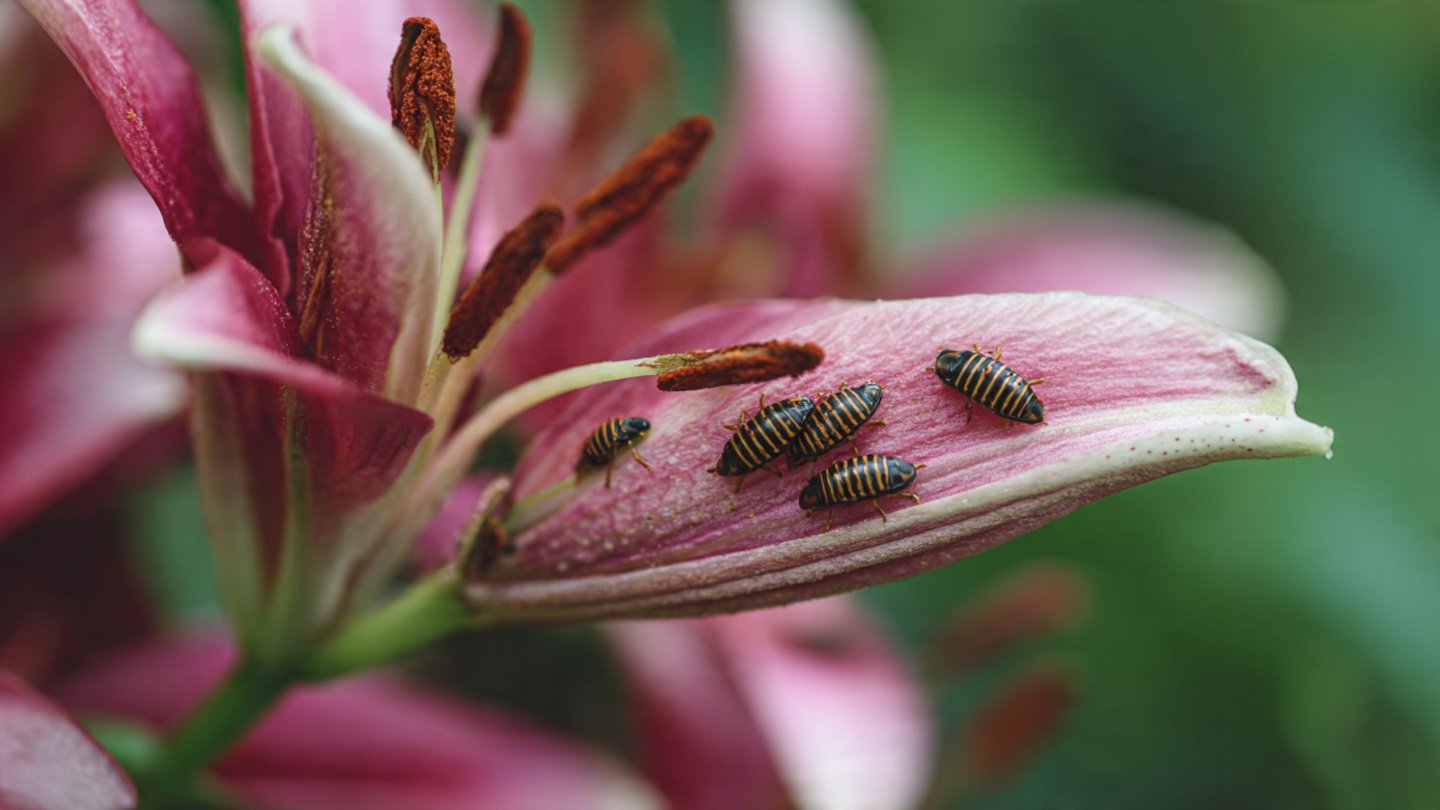
Red leaf beetle larvae are notorious pests that can wreak havoc on lily plants. The larvae, identifiable by their bright color, feed on the foliage and can lead to significant damage if not controlled. Understanding their life cycle is key to implementing effective management strategies.
The Life Cycle of the Red Leaf Beetle
The life cycle of the red leaf beetle consists of four stages: egg, larva, pupa, and adult. The adult beetles lay eggs on the underside of lily leaves. Upon hatching, the larvae begin their feeding frenzy, which can lead to leaf discoloration and wilting. This cycle typically occurs during the growing season.
Identifying the Problem
The first step in protecting your lilies is accurate identification of the threat. Look for the following signs:
- Chewed or ragged leaf edges.
- Yellowing leaves, indicating excessive feeding damage.
- Presence of small, reddish larvae on the plants.
- Adults hovering around the plants—these are often easier to spot.
Regular inspections of your plants will help catch infestations early before they become a severe problem.
Prevention Strategies
While immediate treatment is crucial when larvae are spotted, implementing preventive measures can greatly reduce the risk of future infestations. Here are some effective strategies:
1. Plant Selection
Choose lily varieties that are less susceptible to red leaf beetles. Some species have natural resistance and are less appealing to these pests.
2. Proper Spacing
When planting your lilies, ensure adequate spacing. This facilitates air circulation, making it less favorable for pests and reducing humidity levels that attract beetles.
3. Companion Planting
Incorporating certain companion plants, such as marigolds or dill, can deter beetles and draw away pests from your lilies. The herbs can be effective distractors, protecting your lilies from becoming a primary food source.
Active Treatment Methods
If you’ve already noticed a beetle infestation in your lilies, it’s essential to take action quickly. Here are methods to consider:
1. Handpicking
For small infestations, manual removal of the larvae can be effective. Wear gloves and check the undersides of leaves to remove both larvae and adult beetles. Deposit them in a bucket of soapy water to ensure they don’t return.
2. Neem Oil
Neem oil is a natural pesticide that hinder the feeding and growth of beetle larvae. Dilute neem oil according to the manufacturer’s instructions and spray it onto the affected plants. It’s safe for most beneficial insects when used properly.
3. Insecticidal Soap
Insecticidal soaps can be effective in controlling beetle populations. Spray them directly on the larvae. The soap works by suffocating the pests, though it’s essential to reapply after rain and follow the product directions closely.
4. Chemical Pesticides
While chemical pesticides are an option, they should be a last resort. If you choose this route, select a product that specifically targets beetles and is safe for use on lilies. Always follow the application instructions to minimize harm to beneficial insects.
Long-Term Maintenance
After you’ve controlled the current infestation, focus on long-term maintenance strategies to keep your lilies healthy and robust:
1. Regular Monitoring
Keep a close eye on your lilies throughout the growing season. Regular checks can help you catch any resurgence early before they become a severe issue.
2. Clean Up Debris
Remove fallen leaves, weeds, and other debris around your lilies. This will reduce hiding spots and breeding grounds for pests.
3. Healthy Soil Practices
Ensure your lilies receive the necessary nutrients through proper fertilization and soil health practices. Strong, healthy plants are less appealing to pests and more resilient to damage.
Conclusion
Protecting your lilies from red leaf beetle larvae involves a combination of preventive measures, active interventions, and long-term care. By understanding the life cycle of these pests, identifying the signs of infestation early, and taking appropriate action, you can keep your lilies thriving. With diligence and the right strategies, your garden can remain a beautiful, vibrant space, free from the damaging effects of red leaf beetles.
FAQs
1. How do I know if my lilies are infested with red leaf beetle larvae?
Look for chewed leaves, yellowing foliage, and the presence of small reddish larvae on the undersides of the leaves.
2. Can I prevent red leaf beetle infestations?
Yes, you can use resistant lily varieties, ensure proper spacing, and practice companion planting to deter these pests.
3. Are there any natural remedies to treat red leaf beetles?
Yes, neem oil and insecticidal soap are effective natural treatments that can control beetle populations without harming beneficial insects.
4. What should I do if the infestation is severe?
If the infestation is extensive, consider using targeted chemical pesticides as a last resort while prioritizing your plants’ health and surrounding ecosystem.