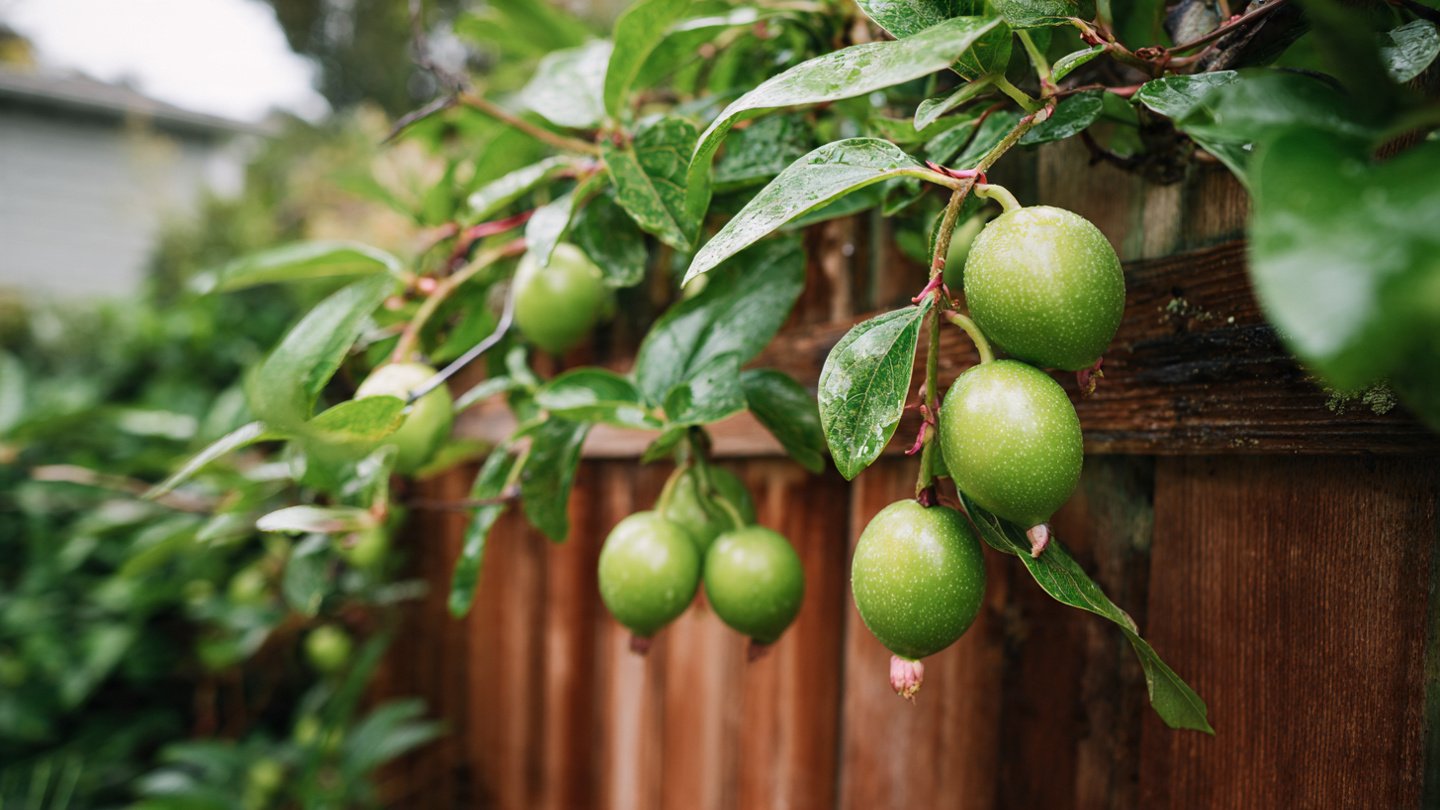
Exotic passion fruit, with its vibrant colors and tantalizing flavor, is more than just a delicious treat; it’s a plant that can add charm and beauty to your garden. Growing passion fruit on a simple wire structure is an innovative method that provides several advantages. In this article, we will explore the benefits of this gardening technique, the specific requirements for growing passion fruit, and tips to ensure success.
The Allure of Passion Fruit
Passion fruit, known scientifically as Passiflora edulis, is native to tropical regions of South America. The fruit is celebrated for its unique, sweet-tart flavor and its distinct aroma, making it a popular ingredient in desserts, beverages, and various culinary delights. Here are some reasons why passion fruit is a desirable plant to grow:
- Nutritional Benefits: Passion fruit is rich in vitamins A and C, dietary fiber, and antioxidants.
- Culinary Versatility: The fruit can be harvested and eaten raw, juiced, or used in recipes.
- Attractive Flowers: The flowers of the passion fruit vine are stunning and add visual interest to gardens.
Why Use a Simple Wire Structure?
Growing passion fruit on a simple wire offers a unique twist to conventional gardening methods. Here are several reasons to consider this innovative approach:
1. Space Optimization
Urban gardening often presents space constraints. A wire support system allows you to utilize vertical space effectively. Vines can grow upwards, freeing ground space for additional plants.
2. Improved Airflow and Sunlight
Growing passion fruit on a wire means that your vines won’t be sprawling on the ground. This elevation enhances airflow around the plant and ensures that each leaf receives sufficient sunlight, improving photosynthesis and fruit production.
3. Easier Harvesting
When passion fruit grows on a wire frame, harvesting becomes significantly easier. You don’t have to crouch or bend excessively to reach the fruit, making the overall gardening experience more pleasant.
4. Pest and Disease Management
Elevated plants are less susceptible to soil-borne pests and diseases. This positioning reduces the likelihood of root rot and provides better drainage, essential for a healthy passion fruit vine.
How to Grow Passion Fruit on a Wire Structure
1. Choosing the Right Location
To achieve optimal growth, plant your passion fruit in a sunny spot that receives at least 6-8 hours of sunlight daily. Ensure the area has well-drained soil that is rich in organic matter, as this helps support the vine’s vigorous growth.
2. Constructing the Wire Frame
Creating a simple wire frame is straightforward. Follow these steps:
- Use sturdy wire or trellis material to construct a vertical frame.
- The height should be around 6-8 feet to allow ample growth space.
- Ensure that the structure is securely anchored to withstand wind and the weight of the growing vine.
3. Planting the Seeds or Seedlings
Once your wire structure is ready, you can plant passion fruit seeds or seedlings. Space them about 3-4 feet apart to ensure they have adequate room to grow.
4. Training the Vines
As the vines grow, gently guide them to wrap around the wire. This may involve some light pruning and tying the vines to the structure using soft garden ties. The goal is to promote upward growth and prevent tangling.
5. Watering and Fertilization
Passion fruit requires consistent moisture but avoid waterlogging the soil. Regularly check the soil’s moisture level and irrigate accordingly. Fertilize every month with a balanced fertilizer to encourage healthy growth and fruiting.
Conclusion
Growing exotic passion fruit on a simple wire structure offers numerous benefits, from optimizing space to making harvesting a breeze. This innovative gardening approach not only enhances the health of the plant but also adds a unique aesthetic value to your garden. With minimal effort and the right care, you can enjoy a bountiful harvest of delicious passion fruits, enriching your culinary experiences and your garden’s beauty.
FAQs
1. How long does it take for passion fruit to bear fruit?
Passion fruit typically takes about 6-12 months to produce fruit after planting, depending on the variety and growing conditions.
2. Can I grow passion fruit in pots?
Yes, passion fruit can be successfully grown in pots. Ensure that the container has proper drainage and use a sturdy trellis for support.
3. What climate is best for growing passion fruit?
Passion fruit thrives in warm, tropical, or subtropical climates. It can tolerate some frost but generally prefers temperatures between 70°F to 90°F (21°C to 32°C).
4. What should I do if my passion fruit plant isn’t producing fruit?
If your plant isn’t producing fruit, check for adequate sunlight, proper nutrients, and sufficient watering. Ensure that pollinators are present; sometimes, hand pollination may be necessary.
5. How can I protect my passion fruit vine from pests?
Regularly inspect your plants and remove any pests by hand. You can also use organic pesticides or introduce beneficial insects like ladybugs that feed on common pests.