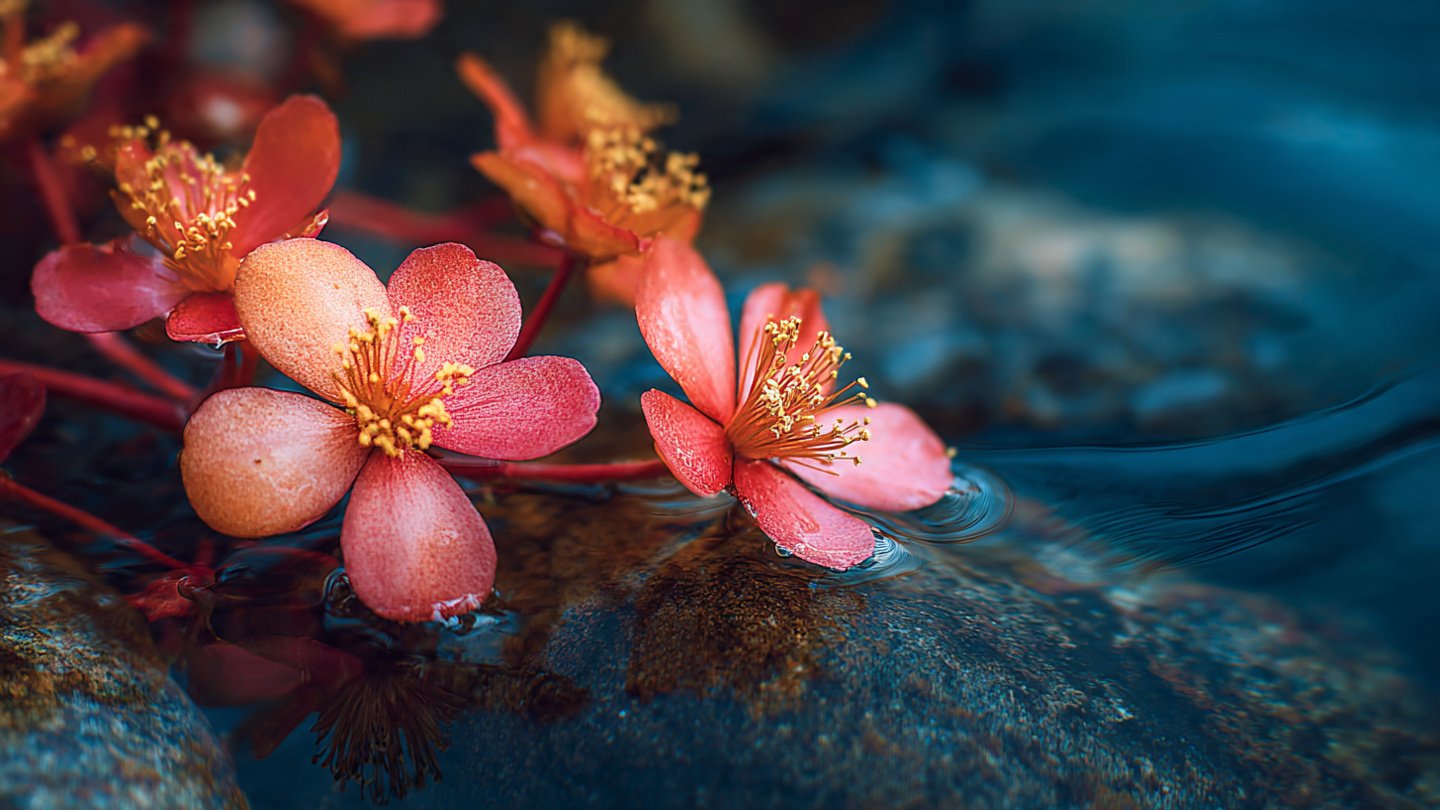
In the fascinating world of botany, some plants have evolved to survive in specific and extreme environments. One such marvel is a unique flower species that thrives exclusively in saltwater. Often referred to as a “halophyte,” this flower showcases remarkable adaptations that enable it to flourish in such inhospitable surroundings. Understanding these adaptations not only sheds light on its survival but also emphasizes the intricate relationships between plants, their environments, and climate change.
The Unique Habitat of Saltwater Plants
Saltwater ecosystems, such as coastal regions, estuaries, and mangroves, present a challenging environment for most terrestrial plants. The saline environment can lead to osmotic stress, which affects water uptake, making it difficult for plants to survive. However, halophytes counteract these stresses through unique adaptations:
- Osmoregulation: Many halophytes have developed specialized mechanisms to regulate osmotic pressure. They can accumulate salts within their tissues without suffering from toxic effects.
- Salt Excretion: Some species have glands that excrete excess salts, preventing toxicity and enabling them to maintain cellular function.
- Root Adaptations: These plants often develop extensive root systems that can filter out salt, allowing them to access freshwater sources beneath the soil.
Adaptations of the Unique Flower
Now let’s delve deeper into the specific adaptations of this remarkable flower that enable its survival in saltwater:
1. Specialized Root Systems
The roots of this unique flower have evolved to adapt to high salinity levels. These adaptations can include:
- Salt-Filtering Capabilities: Many halophytic flowers possess root systems that filter out salt while allowing water to be absorbed. This is crucial for maintaining hydration in a saline environment.
- Surface Area Enhancements: An extensive network of fine roots increases the surface area for absorption, allowing the flower to efficiently capture the available freshwater and nutrients.
2. Leaf Modifications
The leaves of the flower often exhibit distinct adaptations to cope with the high salt levels:
- Thick Cuticles: The leaves may have thicker cuticles to minimize water loss and protect from salt damage.
- Salt Glands: These specialized structures help excrete excess salt. The flower can manage its ionic balance effectively, ensuring its internal environment remains stable.
3. Photosynthetic Adaptations
This unique flower has evolved unique photosynthesis strategies that enable it to thrive in saltwater:
- Efficient Light Utilization: Adaptations in chlorophyll and other pigments allow the flower to utilize available light more efficiently, even in waters that may be murky due to high sediment.
- Altered Metabolism: The flower can switch its metabolic processes according to environmental conditions, facilitating survival during both high-salinity and low-salinity periods.
Ecological Importance of Saltwater Flowers
The unique flower not only survives in saltwater but also plays crucial roles in its ecosystem:
- Habitat Formation: These flowering plants help stabilize coastal and estuarine environments, creating habitats for various marine and terrestrial species.
- Carbon Sequestration: Like other plants, they absorb carbon dioxide, contributing to carbon sequestration and helping mitigate climate change.
- Water Quality Improvement: By filtering out pollutants and excess nutrients, these plants improve the overall health of their aquatic ecosystems.
Human Interaction with Saltwater Flowers
As our understanding of these unique flowers grows, so does the interest in utilizing their properties:
- Agricultural Research: By studying halophytic flowers, scientists are exploring how these adaptations can be applied to crops, allowing for agriculture in saline soils.
- Restoration Projects: In reestablishing marine ecosystems, these flowers are often a focus of restoration projects aimed at promoting biodiversity.
- Medicinal Uses: Some compounds derived from these flowers have potential medicinal properties, opening avenues for new treatments.
Conclusion
The unique flower that thrives only in saltwater exemplifies nature’s incredible adaptability. Its specialized mechanisms for surviving in harsh, saline environments not only provide insight into evolutionary processes but also emphasize the importance of conserving such unique ecosystems. As climate change poses challenges to coastal areas, understanding the role and importance of halophytes becomes vital not just for ecological balance, but for potential agricultural advances and restoration efforts as well.
FAQs
1. What are halophytes?
Halophytes are plants that have adapted to grow in high salinity environments, such as salt marshes and coastal regions. They possess specialized mechanisms to manage salt intake and maintain hydration.
2. Why are these flowers important to their ecosystems?
Saltwater flowers stabilize coastal habitats, contribute to carbon sequestration, and improve water quality by filtering pollutants. They serve as essential components in their ecological networks.
3. Can these flowers be used in agriculture?
Yes! Researchers are studying halophytes to understand how their salt tolerance can be applied to crops, potentially expanding agricultural opportunities in saline soils.
4. How do halophytes affect climate change?
By sequestering carbon, halophytes can help mitigate the effects of climate change. Additionally, their ability to thrive in salt-affected areas may provide insights for adapting agriculture to changing conditions.