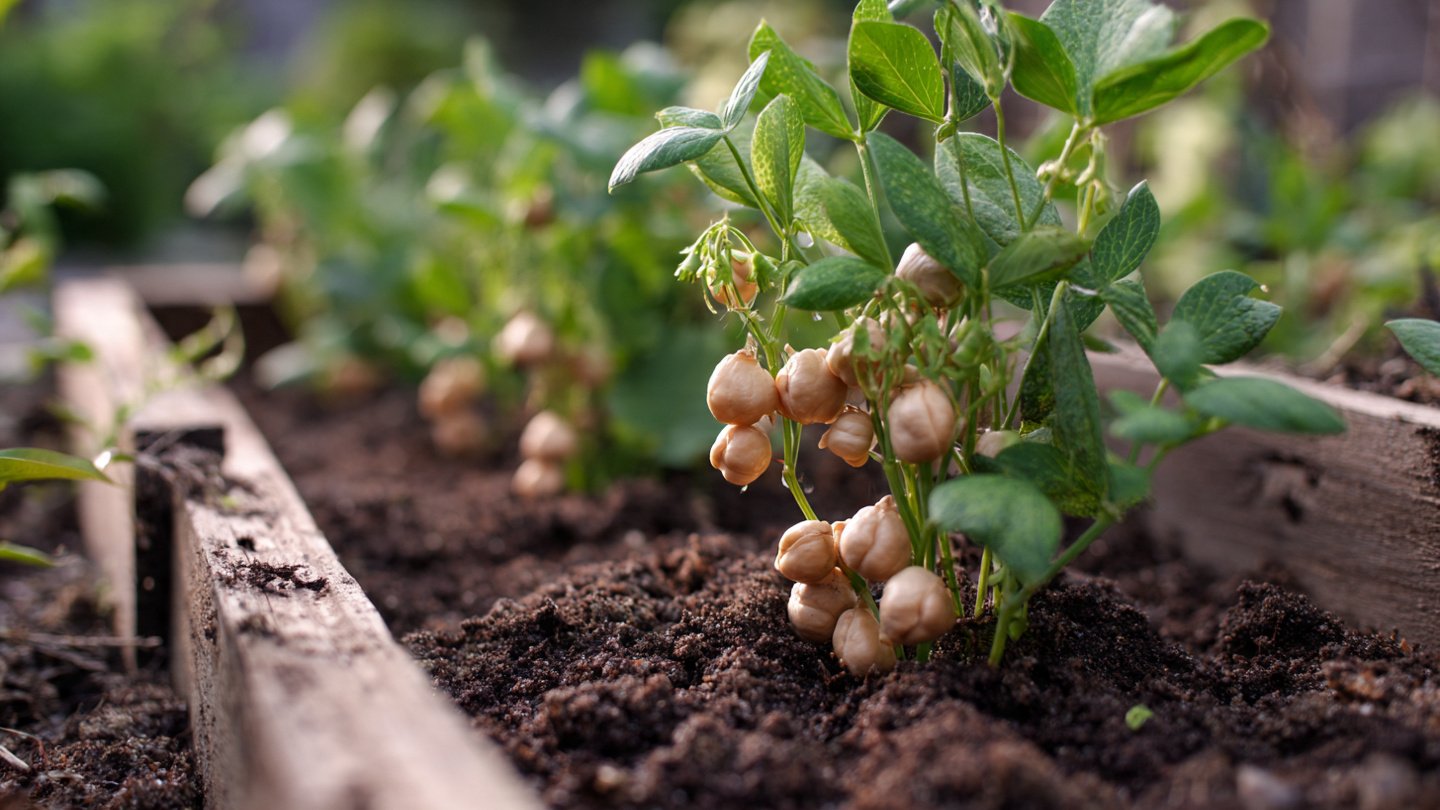
Chickpeas, also known as garbanzo beans, are a delicious and nutritious legume that can be easily grown in a small garden plot. With their rich protein content and versatility in cooking, they are increasingly gaining popularity among home gardeners. Below, we will explore the essential steps and considerations for successfully cultivating chickpeas in your small garden.
1. Understanding Chickpeas
Chickpeas are warm-season annuals that thrive in temperate climates. They belong to the legume family and are scientifically classified as Cicer arietinum. Chickpeas can be classified into two main types: desi and kabuli. Desi chickpeas are smaller, darker, and have a rough coat, while kabuli chickpeas are larger, lighter, and smoother. Both types are nutritious, containing high levels of protein, fiber, and vitamins.
2. Selecting the Right Variety
When choosing chickpea varieties, consider your local climate and culinary preferences. Here are some recommended varieties:
- Desi Chickpeas: These are drought-resistant and better suited for semi-arid regions.
- Kabuli Chickpeas: Ideal for cooler climates with more moisture.
3. Preparing the Soil
Chickpeas prefer well-drained, loamy soils rich in organic matter. Conduct a soil test to assess its pH level; chickpeas thrive best in soil with a pH between 6.0 and 7.0. To prepare your garden bed:
- Clear the area of weeds and debris.
- Loosen the soil to a depth of about 12 inches.
- Add compost or well-rotted manure to enrich the soil.
- Ensure good drainage to prevent waterlogging, which can lead to root rot.
4. Planting Chickpeas
The best time to plant chickpeas is in early spring after the danger of frost has passed, as they require warm soil for optimal germination. Follow these steps for planting:
- Sow seeds 1-2 inches deep, spaced 6 inches apart in rows 2-3 feet apart.
- Water the soil thoroughly after planting but avoid oversaturating.
- If necessary, cover with a light mulch to retain moisture.
5. Watering and Maintenance
Chickpeas are relatively drought-tolerant, but consistent moisture is crucial during germination and early growth. To ensure healthy plants:
- Water deeply but infrequently – allow the soil to dry between watering.
- Monitor your plants for signs of stress and adjust watering accordingly.
- Mulching can help retain soil moisture and suppress weeds.
6. Fertilization
Chickpeas are legumes, which means they can fix nitrogen from the atmosphere. Therefore, you may not need to apply heavy fertilizers. However, adding a balanced fertilizer or organic amendments during planting can boost growth. A low-nitrogen fertilizer is preferable to prevent excessive foliage growth over pod production.
7. Pest and Disease Management
While chickpeas are generally hardy, they can still face challenges from pests and diseases. Here are some common threats:
- Pests: Aphids, spider mites, and root-knot nematodes can affect growth. Use organic insecticidal soap or neem oil for control.
- Diseases: Fungal diseases such as ascochyta blight and powdery mildew may occur. Rotate crops and avoid planting chickpeas in the same location year after year.
8. Harvesting
Chickpeas are usually ready for harvest 90-100 days after planting, depending on the variety. Signs that your chickpeas are ready to harvest include:
- Leaves turning yellow and wilting.
- Pods becoming firm and light brown.
- Preliminary testing by squeezing pods for firmness.
To harvest, pull up the entire plant by hand or cut with a sharp tool close to the base. Allow the plants to dry in a warm, shaded area until the pods are completely dry.
9. Storing Chickpeas
Once harvested, chickpeas should be stored properly to maintain their quality:
- Remove the seeds from the pods and clean any debris.
- Store chickpeas in an airtight container in a cool, dark place.
- For long-term storage, consider freezing them.
Conclusion
Growing chickpeas in a small garden plot is not only feasible but rewarding. With proper preparation, care, and understanding of their growth requirements, you can easily cultivate this nutritious legume in your backyard. Chickpeas can enrich your soil, provide valuable nutrients to your diet, and empower you as a sustainable gardener. Experiment with different varieties and methods, and enjoy the delicious results of your hard work!
FAQs
Q1: How many chickpea plants can I grow in a small garden plot?
A: You can grow approximately 20-30 plants in a small garden plot of 10×10 feet. Depending on the space and sunlight, spacing them appropriately will ensure healthy growth.
Q2: Do chickpeas require a lot of water?
A: Chickpeas are drought-tolerant but require consistent moisture during germination and pod formation. Water wisely to avoid waterlogging.
Q3: Can I grow chickpeas in containers?
A: Yes, chickpeas can be grown in containers. Provide a pot that is at least 12 inches deep and ensure it has good drainage.
Q4: What common diseases affect chickpeas?
A: Common diseases include ascochyta blight and powdery mildew. Preventative measures include crop rotation and using resistant varieties.
Q5: When should I plant chickpeas?
A: Plant chickpeas in early spring after the last frost, when soil temperatures reach about 60°F (15°C).