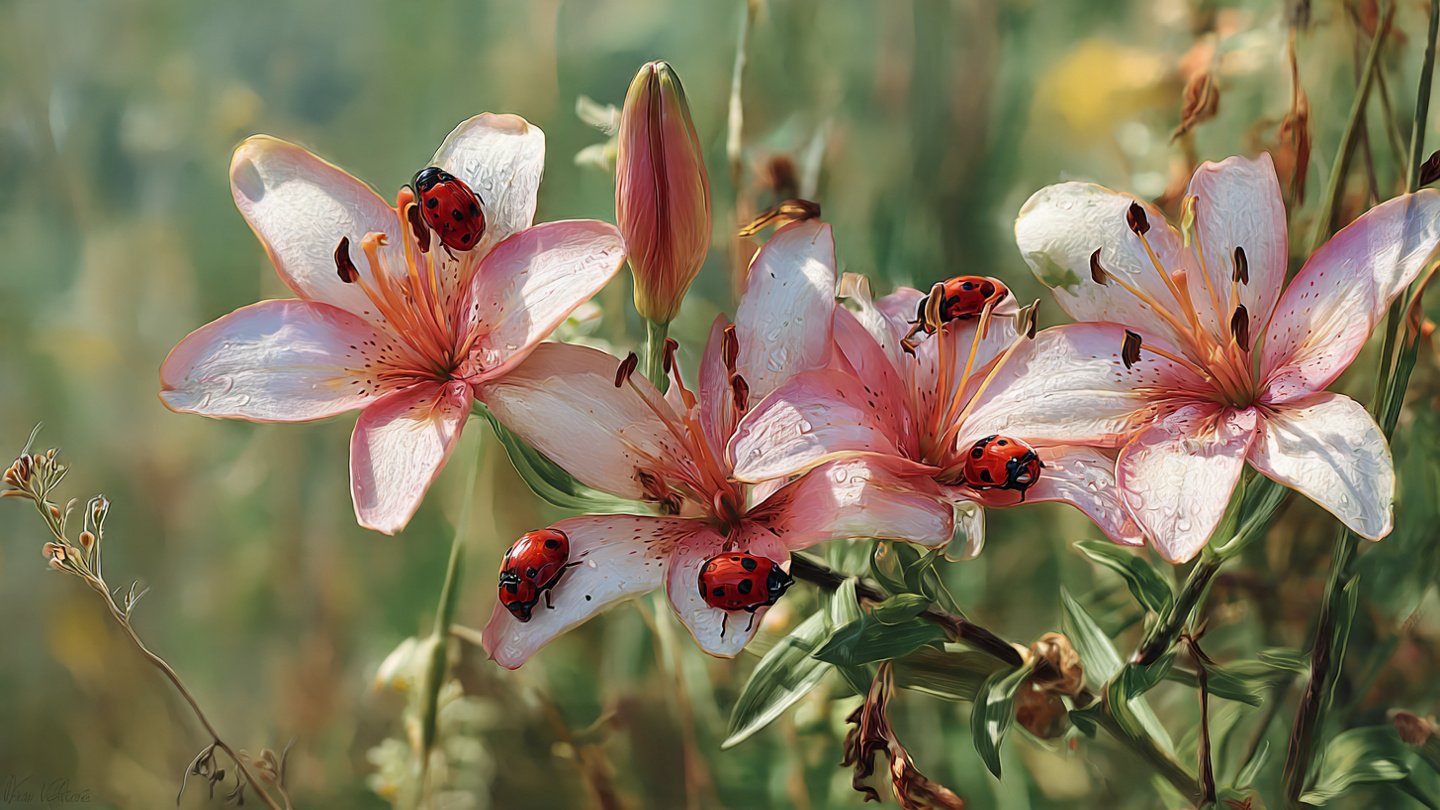
Lilies are a classic garden favorite, known for their stunning blooms and intoxicating fragrance. However, these beautiful plants often come under attack from red beetles, commonly known as the lily leaf beetle (Liliocerus lilii). These pests can ruin your lily plants if left unchecked. This article explores effective strategies to protect your lilies from red beetles while maintaining a healthy garden ecosystem.
Understanding the Threat of Red Beetles
Red beetles are small, bright red insects that typically measure around 1/4 inch long. They are notorious for feeding on lily leaves, leaving behind unsightly holes and ultimately impacting the plant’s health. The larval stage of the beetle can be particularly damaging, as these larvae are covered in a sticky slime that provides some protection from predators.
Identifying the Damage
Before you can act against the red beetles, it’s crucial to identify the damage they cause. Key signs of an infestation include:
- Holes in the leaves: This is the most visible sign.
- Deformed or yellowing leaves: Affected plants may exhibit stunted growth.
- Sticky excretions: The presence of a shiny, sticky substance on the leaves indicates the larval stage of the beetles.
Prevention Tips
Preventing an infestation is the best method for protecting your lilies. Here are some effective strategies:
1. Choose Resistant Varieties
Some lily varieties are naturally more resistant to red beetles. Consider planting varieties like:
- Asiatic lilies: These are less appealing to beetles.
- Oriental lilies: They are also resistant, making them a good choice.
2. Regular Monitoring
Keep a close eye on your lilies, especially during the growing season. Regularly inspect the leaves for signs of beetles or their larvae. Early detection is key to managing an outbreak.
3. Cleanliness in the Garden
Maintaining a clean garden can help deter pests. Remove dead plant debris and any remnants of previous lily plants post-harvest. This reduces potential breeding sites for beetles.
Physical Removal
If you notice red beetles on your lilies, manual removal can be an effective strategy. Follow these steps:
- Wear gloves to protect your hands.
- Gently pinch the beetles off the leaves and drop them into a bucket of soapy water to eliminate them.
- Inspect for larvae as well, and remove them using a similar method.
Natural Predators
Enhancing your garden’s ecosystem can help control red beetle populations. Consider introducing natural predators like:
- Ladybugs: They feed on aphids and beetle larvae.
- Parasitic wasps: They lay eggs in beetle larvae, controlling their population.
By promoting biodiversity, you can help keep pest populations in check naturally.
Organic Insecticides
If manual methods are insufficient, consider using organic insecticides. Here are some options:
1. Neem Oil
Neem oil is a natural pesticide that disrupts the life cycle of beetles. Follow the instructions on the label and apply it during the early morning or late evening to avoid harming beneficial insects.
2. Insecticidal Soap
Insecticidal soap works by suffocating the beetles and larvae. Ensure good coverage on both the upper and lower leaf surfaces for maximum effectiveness.
3. Diatomaceous Earth
This natural powder can be sprinkled around your lilies. It is abrasive for insects and can help reduce beetle populations.
Chemical Insecticides
If the infestation is severe, you may consider using chemical insecticides. However, be cautious with this approach, as it can harm beneficial insects as well. Always follow the manufacturer’s instructions and choose products that are specifically labeled for use on lilies.
Isolate Affected Plants
If you have a severe infestation on one or more plants, consider isolating them to prevent the beetles from spreading to healthy plants. This allows you to treat the affected plants without risking the rest of your garden.
Conclusion
Protecting your lilies from red beetles requires a proactive approach combining prevention, monitoring, and management strategies. By choosing resistant varieties, maintaining garden cleanliness, utilizing manual removal, and employing natural or organic pest control methods, you can preserve the beauty of your lilies. Remember that regular inspections and a balanced ecosystem play significant roles in minimizing beetle infestations, ensuring your garden remains healthy and vibrant.
Frequently Asked Questions (FAQs)
1. How can I tell if my lilies are infested by red beetles?
Look for holes in the leaves, sticky excretions, and deformed growth. Regular monitoring is key to early detection.
2. Are there any chemical remedies for controlling red beetles?
Yes, chemical insecticides can be used, but exercise caution as they may also harm beneficial insects. Always follow manufacturer instructions.
3. Can I prevent red beetle infestations naturally?
Yes, planting resistant varieties, maintaining garden cleanliness, and introducing natural predators can help.
4. What should I do if I find larvae on my plants?
Remove them manually by pinching them off and disposing of them in soapy water to control their population.
5. Is neem oil safe for my plants?
Neem oil is generally safe for most plants and is effective against many pests. However, always conduct a patch test before full application.