Introduction to Home Strawberry Growing
Growing strawberries at home is a dream for many gardeners. Strawberries are sweet, nutritious, and rewarding to grow. Most think they require large gardens or expensive setups. Surprisingly, strawberries can grow at home at little to no cost. By using simple materials, even beginners can cultivate strawberries successfully. Small spaces like balconies, windowsills, or kitchen corners can become productive strawberry patches. With proper care, homegrown strawberries taste far better than store-bought ones. This article explains three effective, zero-cost methods to grow strawberries at home.
Why Grow Strawberries at Home
Homegrown strawberries are chemical-free. They retain natural flavor. Buying fresh strawberries regularly can be expensive. Growing at home saves money. It reduces grocery trips. Home gardening is therapeutic. Children and adults enjoy harvesting. Fresh fruit is always available.
Method 1: Growing Strawberries in Recycled Containers
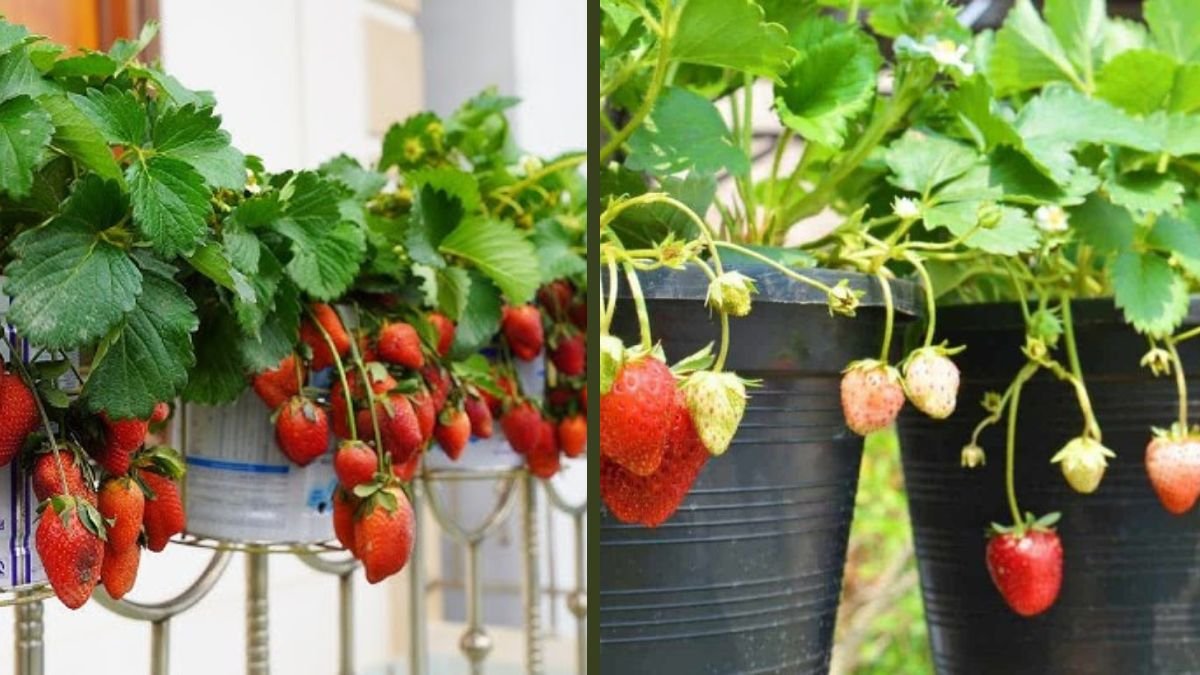
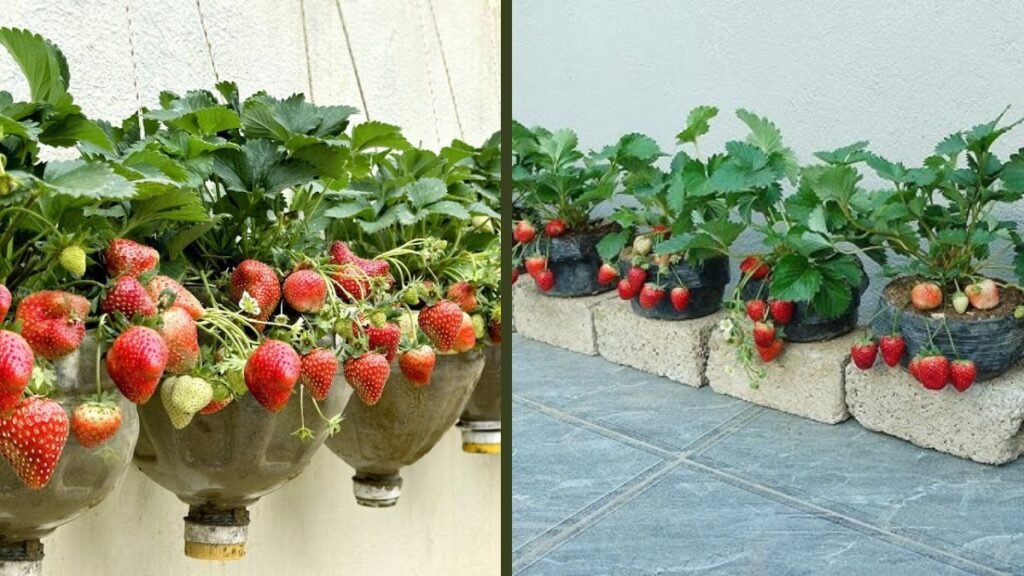
Old bottles, buckets, or jars work perfectly. Ensure containers have drainage holes. Fill them with nutrient-rich soil. Plant strawberry runners or seeds. Arrange containers in sunny spots. Water regularly and maintain soil moisture. This method uses materials already available at home. Vertical arrangements maximize space. Cost is virtually zero.
Preparing Strawberry Seeds or Runners
Runners from existing strawberry plants root quickly. Seeds can also be sown for long-term growth. Clean the seeds before planting. Keep soil light and moist. Avoid overwatering. Proper preparation improves success. Young seedlings require gentle care. Healthy starts lead to better fruiting.
Method 2: Growing Strawberries in Hanging Baskets
Old baskets or cloth bags can be converted. Line baskets with soil and compost. Strawberry plants hang freely. This method improves airflow. Leaves and fruits are safe from pests. Watering is easier and less messy. Vertical growing saves ground space. Hanging baskets also look decorative.
Sunlight and Placement Requirements
Strawberries need at least six hours of sunlight daily. South-facing windows or balconies are ideal. Avoid shaded areas. Light exposure increases fruit size. Sunlight also prevents mold. Indoor setups benefit from bright windows. Outdoor hanging baskets work well. Proper light ensures consistent growth.
Method 3: Strawberries in Old Shoe Racks or Drawers
Repurpose old drawers or shoe racks. Line with plastic or cloth to hold soil. Stack multiple layers for vertical gardening. Plant strawberries evenly in each layer. Water regularly and add compost periodically. This method maximizes small spaces. Easy to move indoors during cold months. Zero-cost option uses recycled materials.
Soil Preparation for Strawberry Growth
Use light, loamy soil with organic compost. Avoid clay-heavy soil. Mix kitchen waste compost if available. Soil should drain well. Avoid soggy conditions. Soil fertility directly affects fruit quality. Regularly refresh topsoil with compost. Proper soil ensures long-term plant health.
Watering Techniques for Home Strawberries
Strawberries need consistent moisture. Water once or twice daily, depending on climate. Avoid waterlogging to prevent root rot. Morning watering reduces fungal infections. Use recycled water if possible. Mulching helps retain moisture. Mist leaves lightly in hot weather. Proper hydration improves fruit size and sweetness.
Fertilization Using Household Waste
Banana peels, coffee grounds, and vegetable scraps work as natural fertilizers. Compost enriches soil naturally. Avoid chemical fertilizers for small setups. Feed lightly every few weeks. Organic feeding is sustainable. Enhances taste and plant health. Zero-cost approach encourages eco-friendly gardening.
Pruning and Maintenance
Remove dead leaves regularly. Pinch off runners to focus energy on fruits. Maintain plant spacing. Check for pests often. Healthy plants produce larger fruits. Pruning encourages airflow. Reduces risk of mold. Regular care ensures maximum yield.
Harvesting Strawberries
Harvest when fruits are bright red and slightly soft. Pick gently to avoid damage. Regular harvesting encourages new fruit. Morning harvests retain flavor. Avoid overripe fruits. Clean hands prevent contamination. Use small containers to collect berries. Proper harvesting ensures long-term productivity.
Preventing Common Problems
Slugs and snails attack strawberries. Use crushed eggshells as deterrent. Powdery mildew is common indoors. Improve airflow to prevent it. Yellowing leaves indicate nutrient deficiency. Rotate soil if necessary. Early detection prevents major losses. Simple solutions save plants.
Comparison of Three Methods
Table written in words
Row headings: Factor, Recycled Containers, Hanging Baskets, Shoe Rack Layers
Cost – Very low versus Very low versus Zero
Space efficiency – Moderate versus High versus Very high
Ease of Maintenance – Moderate versus Easy versus Moderate
Decorative Value – Low versus High versus Medium
Nutritional Benefits of Homegrown Strawberries
Rich in vitamin C. Contains fiber and antioxidants. Boosts immunity. Low calorie and natural sugar. Supports digestion. Homegrown fruits have higher nutrient retention. Free from pesticides. Fresh fruit is healthier than store-bought.
Cost-Saving Advantages
Seeds and runners are low-cost or free. Using household materials reduces spending. Organic feeding uses kitchen waste. Reduced grocery purchases. Waste reduction promotes sustainability. Long-term benefits exceed effort. Saves money while providing fresh fruit.
Who Should Try These Methods
Ideal for apartment dwellers. Urban gardeners with minimal space. Families wanting chemical-free fruits. Beginners with small budgets. Kids learning gardening. Anyone wanting a decorative edible garden. Zero-cost methods suit everyone.
Seasonal Tips for Maximum Yield
Plant in early spring or late summer. Avoid extreme heat or frost. Protect from heavy rain. Rotate containers for even sunlight. Add compost after every harvest. Seasonal care improves productivity. Monitor plants for stress. Adjust watering according to weather.
Long-Term Strawberry Care
Renew soil every year. Replant old plants after a few years. Mulch regularly. Maintain hygiene. Monitor pests. Healthy long-term care improves yield. Use leftover kitchen waste for natural nutrition. Sustainable approach saves money.
Conclusion
Growing strawberries at home at no cost is achievable with simple techniques. Recycled containers, hanging baskets, and shoe rack layers make gardening accessible to everyone. Proper care, sunlight, and watering ensure sweet, healthy fruits. This approach is sustainable, space-efficient, and cost-effective. Homegrown strawberries enhance flavor, nutrition, and gardening satisfaction. Start today and enjoy fresh berries year-round.