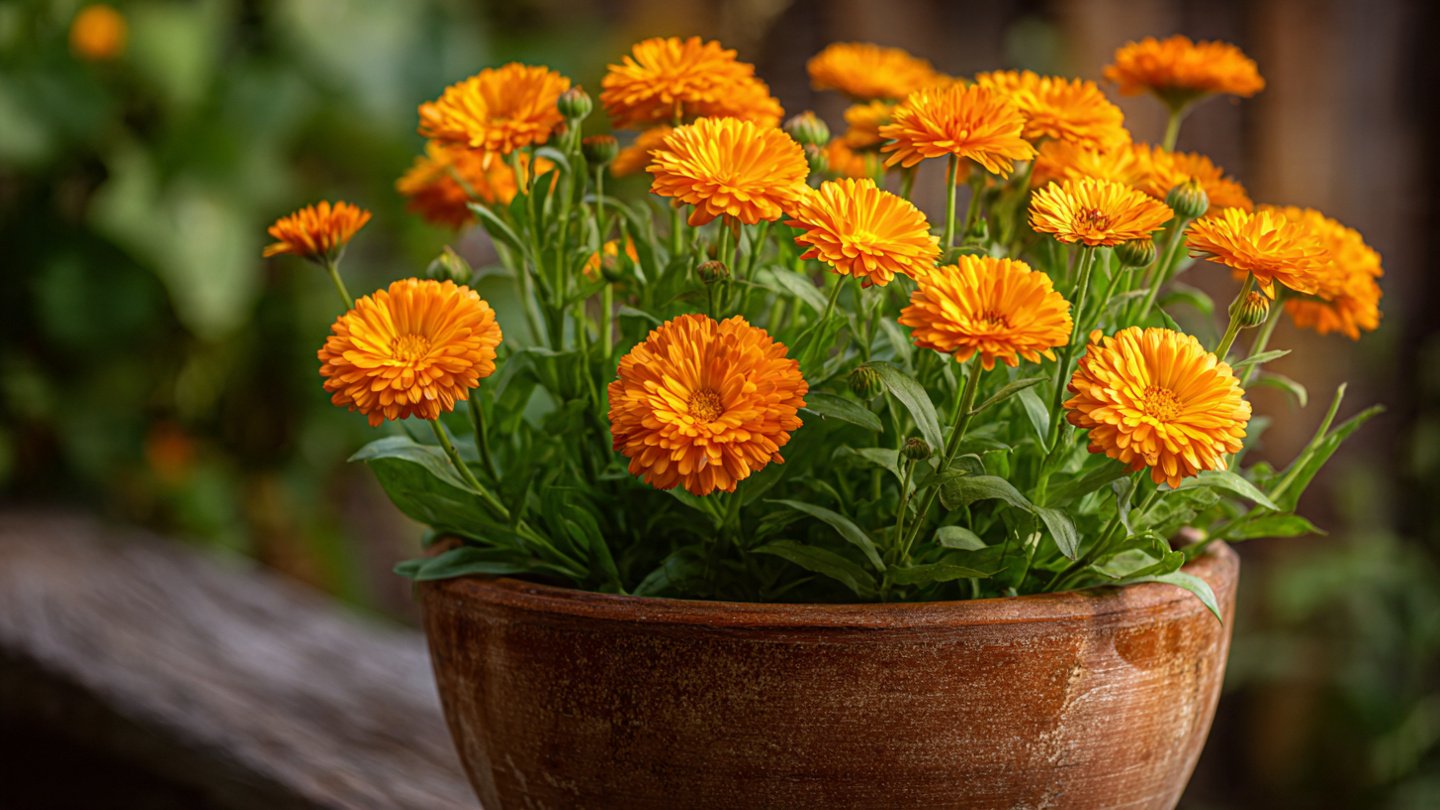
Calendula, also known as pot marigold, is an annual flowering plant celebrated for its vibrant blooms and impressive resilience. Not only are these flowers a delightful sight in any garden, but they also have numerous medicinal and culinary uses. Growing calendula in pots offers flexibility, making it accessible for both novice and seasoned gardeners. This comprehensive guide will walk you through every step needed to cultivate this wonderful plant successfully.
Why Choose Calendula?
Calendula is popular for several reasons:
- Aesthetic Appeal: Its bright orange and yellow blossoms add a splash of color to any space.
- Easy to Grow: Calendula is known for being hardy and adaptable, making it perfect for beginners.
- Medicinal Properties: The plant has been used for centuries in herbal medicine, boasting anti-inflammatory and healing properties.
- Edible Flowers: The petals can be used in salads, herbal teas, and as natural food coloring.
Selecting the Right Pot
Choosing the appropriate pot is crucial for your calendula’s health. Look for the following features:
- Size: A 6 to 10-inch pot is ideal for a single calendula plant, while larger pots (12-14 inches) can hold multiple plants.
- Material: Terracotta pots are breathable, preventing root rot, but plastic pots offer better water retention. Consider your climate when selecting material.
- Drainage: Ensure your pot has drainage holes to prevent water accumulation, which can lead to root rot.
Potting Mix for Calendula
A well-draining potting mix is essential. You can purchase a high-quality potting soil or create your own by mixing:
- 2 parts peat moss or coconut coir
- 1 part perlite or vermiculite for drainage
- 1 part compost to provide nutrients
This mixture will help retain moisture while also allowing excess water to escape.
Choosing the Right Location
Calendula thrives in full sun to partial shade. Select a location that receives at least 6 hours of sunlight daily. However, in hot climates, some afternoon shade can help prevent the flowers from wilting.
Temperature Considerations
Calendula is fairly tolerant of varying temperatures but ideally grows in:
- Cool Weather: 60-70°F (15-21°C) is optimal.
- Frost Tolerance: Calendula can survive light frosts, making it a resilient choice for early spring or late fall planting.
Planting Calendula Seeds
Step-by-Step Guide
- Timing: For spring planting, start seeds indoors 6-8 weeks before the last frost or sow them directly outdoors after the frost has passed. For fall planting, start seeds directly in pots.
- Sowing Seeds:
- Fill the pot with your prepared potting mix.
- Moisten the soil before planting to promote sprouting.
- Sow seeds about ¼ inch deep and space them 4-6 inches apart if planting multiple seeds in a single pot.
- Cover lightly with soil.
- Watering:
- Gently water after sowing to settle the soil around the seeds.
- Keep the soil consistently moist but not soggy.
- Germination: Seeds typically germinate in 7-14 days. Once they sprout, thin the seedlings to maintain adequate spacing.
Transplanting Seedlings
If you started seedlings indoors, gradually acclimate them to outdoor conditions (a process called hardening off) before transplanting them into their pots outside. This usually takes a week, starting with a few hours of exposure to sunlight each day.
Watering and Fertilizing
Watering
Calendula prefers consistently moist, well-draining soil. Here’s how to manage watering:
- Frequency: Water when the top inch of soil feels dry to the touch. Depending on your climate, this may mean watering every 2-3 days.
- Technique: Water deeply to encourage strong root development, but avoid waterlogging.
Fertilizing
While calendula is not heavy feeders, a balanced liquid fertilizer every 4-6 weeks can boost blooms. Use a 10-10-10 NPK fertilizer or organic alternatives like fish emulsion.
Pruning and Deadheading
Regular deadheading—removing spent blooms—encourages the plant to produce more flowers. Here’s how to do it effectively:
- Using sharp scissors or garden shears, cut the spent flower head just above the first set of leaves.
- This will redirect the plant’s energy into producing new blooms rather than seeds.
Pests and Diseases
Calendula is generally resistant to pests, but occasional intruders may appear:
- Common Pests: Aphids, slugs, and spider mites. Use neem oil or insecticidal soap to treat infestations.
- Diseases: Watch for signs of powdery mildew in humid conditions. Space plants appropriately for airflow and avoid overhead watering to minimize disease risk.
Harvesting Calendula
If you’re growing calendula for culinary or medicinal purposes:
- Timing: Harvest flowers when they are fully open but still vibrant in color.
- Method: Use scissors to snip the flowers, leaving several leaves attached to the stem.
- Storage: Use fresh petals immediately in recipes, or dry them for later use by spreading them in a cool, dry area away from direct sunlight.
Winter Care
In colder climates, calendula is typically treated as an annual. However, in mild regions, you may be able to extend its life:
- Protecting from Frost: During light frosts, cover pots with burlap or move them to a sheltered area.
If you want to try to keep your calendula over winter, consider:
- Bringing Indoors: If temperatures drop significantly, you can bring the pots inside to a cool, bright location.
- Reducing Water: Water less frequently during the winter months.
Troubleshooting Common Issues
- Leaves Turning Yellow: This could indicate overwatering. Ensure proper drainage and adjust your watering schedule.
- Leggy Growth: If your calendula plants become tall and spindly, they may not be receiving enough light. Move them to a sunnier location.
- Poor Blooming: If your calendula produces few flowers, consider fertilizing or checking for pests.
FAQs
1. Can I grow calendula from store-bought flowers?
Yes, you can. Collect the seeds from the dried flower heads, allowing them to dry completely before storage. This method is great for those who wish to propagate their own plants.
2. How deep should I plant calendula seeds?
Plant seeds about ¼ inch deep for optimal growth.
3. Can I grow calendula indoors?
Absolutely! As long as they receive enough light (ideally full sun), they can thrive indoors. Consider using a grow light if natural light is inadequate.
4. How long does it take for calendula to bloom after planting?
Typically, calendula will begin to flower about 6-8 weeks after planting, depending on the conditions.
5. Do calendula plants attract pollinators?
Yes, calendula is known to attract bees, butterflies, and other beneficial insects, making it a great addition to any pollinator garden.
6. Can I use calendula petals for cooking?
Yes! The petals are edible and can add vibrant color and a mild, peppery flavor to salads, teas, and desserts.
7. What is the best way to store dried calendula petals?
Store dried petals in an airtight container, in a cool, dark place to retain their color and potency.
8. Is calendula toxic to pets?
Calendula is generally considered non-toxic to pets, but it’s still wise to monitor your pets and consult a veterinarian if you have concerns.
Conclusion
Growing calendula in pots is an enriching gardening experience that provides not only visual beauty but also culinary and medicinal benefits. With the right conditions, care, and attention, both novice and experienced gardeners can successfully cultivate this resilient and versatile plant. Whether you’re beautifying your patio or creating herbal remedies, calendula is a rewarding addition to your gardening endeavors. Happy planting!