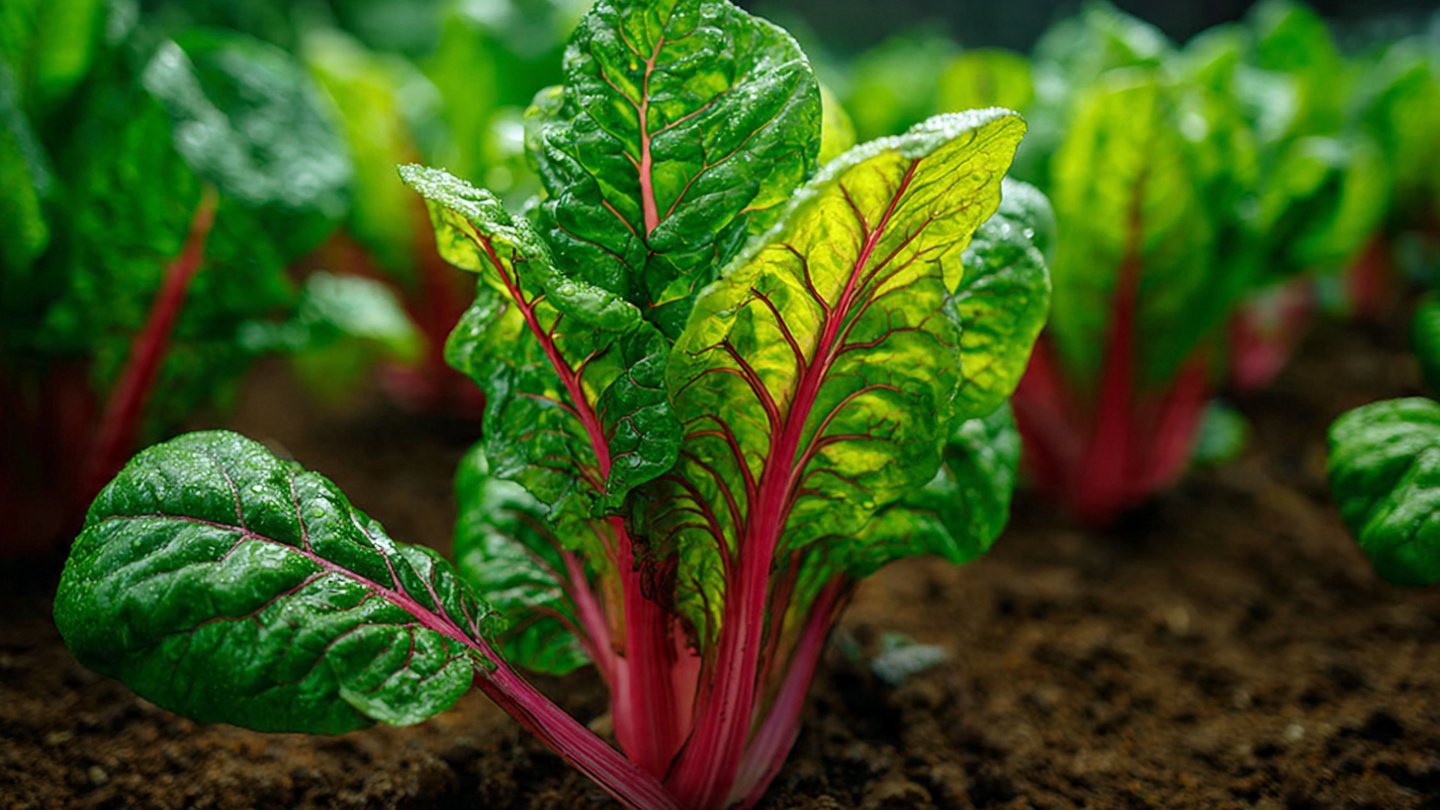
Swiss chard, scientifically known as Beta vulgaris subsp. vulgaris, is a leafy green vegetable that is gaining popularity in home gardens due to its nutritional value and versatility in the kitchen. It’s not only easy to grow, but also offers a vibrant display of colors with its broad, crinkled leaves and bright stems. This comprehensive guide will walk you through everything you need to know about growing nutritious chard leaves in your home garden.
Understanding Swiss Chard
Swiss chard is a member of the beet family, and it thrives in both warm and cool climates. Its leaves are rich in vitamins A, C, and K, as well as minerals like magnesium and iron. This makes chard an excellent addition to your diet, as it is low in calories but high in essential nutrients.
The best part? Chard can coax delicious culinary creations from your kitchen, whether it’s added to salads, soups, or stews. Now, let’s dive into the essential steps for growing this leafy green.
1. Choosing the Right Variety
Before you start planting, consider which variety of chard you’d like to grow. Here are some popular types:
- Green Chard: The most common variety with dark green leaves and white stems.
- Rainbow Chard: Renowned for its stunning colors, including red, yellow, and pink stems.
- Ruby Chard: Features striking magenta stems and has a flavor similar to green chard.
As a beginner, you might want to start with green chard, which is hardy and easy to grow.
2. Preparing Your Garden Bed
Location
Swiss chard thrives in full sun, so select a location in your garden that receives at least 6 hours of sunlight each day. It can tolerate partial shade, particularly in hotter climates, but full sun is ideal for optimal growth.
Soil Quality
Chard prefers well-draining soil that is rich in organic matter. Aim for a soil pH between 6.0 and 7.0. Here’s how to prepare your garden bed:
- Clear the Area: Remove weeds, rocks, and debris from your chosen spot.
- Test Your Soil: Testing kits are available at garden centers to help determine your soil’s pH and nutrient levels.
- Amend the Soil: Incorporate compost or well-rotted manure to enhance soil fertility and drainage.
- Tilling: Loosen the soil to a depth of about 12 inches to promote root growth.
3. Planting Swiss Chard
When to Plant
Swiss chard can be planted in spring or summer. Often, it’s advised to plant seeds:
- In Spring (March to May): After the last frost date.
- In Summer (July to August): For a fall harvest.
How to Plant
- Seeds: Sow seeds directly into the ground about ½ inch deep and 1 inch apart. Rows should be 12 to 18 inches apart.
- Transplants: If you prefer to start seeds indoors, transplant them outside once they have at least two sets of true leaves.
Watering
After planting, water the seeds gently but thoroughly. Maintain consistent moisture, especially during dry spells, but avoid waterlogging.
4. Caring for Your Chard
Watering
Regular watering is essential for chard growth. Here’s a simple schedule:
- Once a Week: Provide one inch of water per week.
- Soil Check: Always check the top inch of soil; if it feels dry, it’s time to water.
Fertilizing
Chard is a heavy feeder, and it benefits from additional nutrients. Use a balanced liquid fertilizer every 4 to 6 weeks, following instructions on the package for specific measurements.
Weeding and Mulching
Keep your garden bed weed-free. This can be achieved through manual weeding or using mulch:
- Mulch: Straw, grass clippings, or wood chips can help retain moisture and suppress weeds.
Pest and Disease Management
Chard can be susceptible to various pests, including aphids and cutworms. Here are a few preventive measures:
- Companion Planting: Plant garlic or onions nearby, as these can deter pests.
- Organic Pesticides: Use insecticidal soap or neem oil if pests are present.
- Crop Rotation: Avoid planting chard in the same spot year after year to prevent soil-borne diseases.
5. Harvesting Swiss Chard
When to Harvest
Swiss chard leaves are typically ready for harvest about 50 to 60 days after planting. Look for firm, mature leaves that are at least 6 to 8 inches long. Leaf stems should also be vibrant in color.
How to Harvest
You can harvest chard by:
- Cutting: Use scissors or a sharp knife to cut the outer leaves at their base, allowing the inner leaves to continue growing.
- Picking: If you prefer, you can also pick leaves individually by hand.
Continuous Harvesting
Chard is a cut-and-come-again crop, meaning that once harvested, new leaves will grow back. Regular picking encourages more growth, so be sure to harvest leaves throughout the growing season.
6. Storing Swiss Chard
Short-Term Storage
- Refrigeration: Store fresh chard unwashed in a perforated plastic bag in the crisper drawer of your refrigerator. It can last up to a week.
Long-Term Storage
For long-term storage, consider blanching and freezing:
- Blanch: Quickly immerse chard leaves in boiling water for 2-3 minutes.
- Shock: Submerge them in ice water to stop cooking.
- Dry: Pat dry and then pack in freezer bags, removing as much air as possible.
Frequently Asked Questions (FAQs)
1. How long does it take for Swiss chard to grow?
Swiss chard typically takes about 50 to 60 days from planting to harvest, depending on the variety and growing conditions.
2. Can I grow Swiss chard in containers?
Yes! Swiss chard can be successfully grown in containers. Ensure that each container has a depth of at least 12 inches, allowing room for root growth.
3. Is Swiss chard a perennial plant?
Swiss chard is generally treated as an annual in most climates, although it can behave as a perennial in tropical or mild climates.
4. What can I plant alongside Swiss chard?
Good companions for Swiss chard include beans, onions, and garlic. Avoid planting it near beets, as they can compete for nutrients.
5. How often should I water Swiss chard?
Swiss chard requires consistent moisture. Water deeply once a week, and check more frequently in hot weather.
6. What are the common pests affecting Swiss chard?
Common pests include aphids, slugs, and cutworms. Regular monitoring and companion planting can help keep these pests at bay.
7. Can chard be eaten raw?
Absolutely! Young chard leaves can be added to salads for a nutritious and colorful addition.
Conclusion
Growing Swiss chard is a rewarding experience for home gardeners, particularly beginners. By following this comprehensive guide, you can cultivate healthy and delicious chard leaves that will thrive in your garden. With minimal care, you’ll enjoy a bountiful harvest that enhances your meals and adds nutritional value to your diet. Happy gardening!