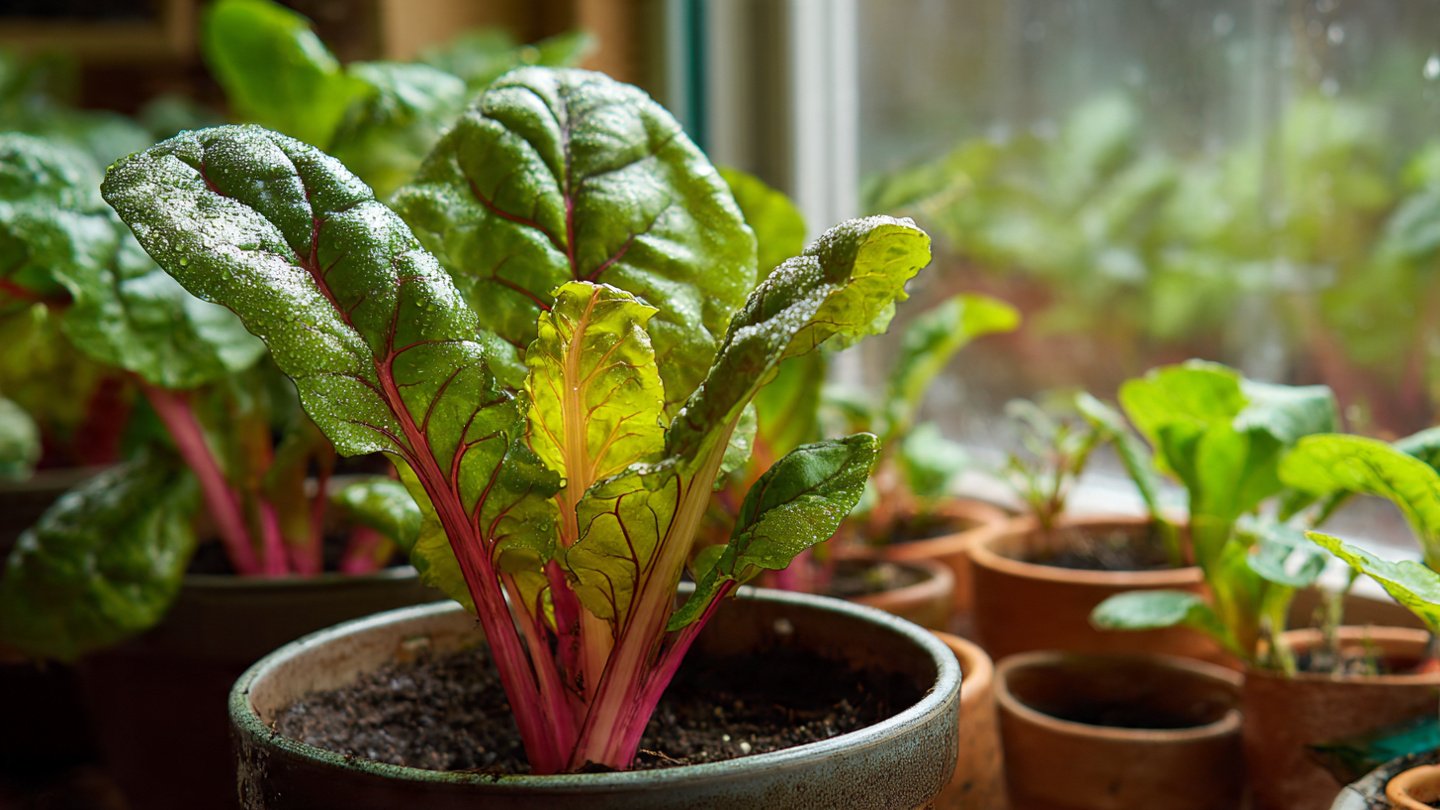
A Comprehensive Guide to Successfully Cultivating Chard Indoors Using Simple Techniques
Chard, commonly known as Swiss chard, is a leafy green vegetable that belongs to the beet family. Not only is it packed with nutrients, but it is also incredibly versatile in the kitchen. Cultivating chard indoors can be a rewarding endeavor, allowing you to enjoy fresh greens year-round regardless of the weather outside. This guide will provide you with detailed steps and techniques for successfully growing chard indoors, including necessary materials, ideal growing conditions, and care tips.
1. Understanding Chard
Chard comes in various varieties, with the most common being Swiss chard, which features broad, crinkled leaves and vibrant, colorful stems. The edible leaves are rich in vitamins A, C, and K, as well as magnesium, potassium, and iron.
Nutritional Benefits of Chard
- Vitamins and Minerals: High in vitamins A, C, and K.
- Low in Calories: Makes for a great nutrient-dense addition to meals without adding excessive calories.
- Antioxidants: Contains powerful antioxidants that promote health.
2. Choosing the Right Container
Selecting an appropriate container is crucial for growing chard indoors. Here’s what to keep in mind:
- Size: Choose a container that is at least 8 to 12 inches deep since chard has a relatively deep root system.
- Material: Containers made from plastic, clay, or ceramic are all suitable options. Ensure there are drainage holes to prevent waterlogging.
- Type: A standard pot, window box, or even a fabric grow bag works well.
3. Selecting Growing Medium
The type of soil you use will significantly impact chard growth. Here are some pointers:
- Well-Draining Soil: Use a high-quality potting mix that retains moisture yet allows for proper drainage.
- pH Levels: Chard prefers a slightly acidic to neutral soil pH (between 6.0 and 7.0). You can use pH-testing kits to monitor this.
- Additives: Mixing in compost or well-rotted manure can enhance soil fertility.
4. Seed Selection
Chard can be grown from seeds or transplants. If you choose seeds, consider the following:
- Varieties: Popular varieties include ‘Bright Lights’, which features multi-colored stems, and ‘Fordhook Giant’, known for its hearty leaves.
- Source: Purchase seeds from reputable suppliers or local garden centers.
5. Planting Seeds
Steps to Plant Chard Seeds Indoors:
- Fill the Container: Fill your chosen container with the prepared potting mix, leaving about an inch of space from the top.
- Moisten the Soil: Lightly mist the soil with water to ensure it’s damp but not soggy.
- Sow the Seeds: Plant seeds about 1 inch apart and ½ inch deep. Cover lightly with soil.
- Label Your Plants: Use labels to keep track of the varieties planted.
6. Ideal Conditions for Growth
Chard thrives in specific temperature and light conditions:
-
Light: Chard needs at least 6 hours of bright, indirect sunlight each day. Consider using grow lights if natural light is insufficient.
-
Temperature: Ideal temperatures for growing chard are between 60°F to 70°F (15°C to 21°C). Avoid exposing your chard to extreme temperatures.
7. Watering Techniques
Watering is a critical component of healthy chard growth:
- Frequency: Water when the top inch of soil feels dry. Chard enjoys consistent moisture but can be sensitive to waterlogged conditions.
- Method: Water at the base of the plant rather than from above. This prevents fungal diseases and keeps the leaves dry.
8. Fertilizing Chard
Regular fertilization is key to promoting healthy growth:
- Type of Fertilizer: Use a balanced, water-soluble fertilizer with an N-P-K ratio of around 10-10-10 or 5-10-5.
- Frequency: Fertilize every 4 to 6 weeks during the growing season.
9. Pests and Diseases Management
Indoor plants are not immune to pests, so it’s crucial to monitor for common issues:
- Common Pests: Aphids, spider mites, and whiteflies can infest chard. Use insecticidal soap or neem oil for treatment.
- Diseases: Fungal infections can occur in overly damp conditions. Ensure good air circulation and avoid overhead watering.
10. Harvesting Chard
Chard can be harvested as soon as the leaves are large enough to use, typically around 4 to 6 weeks after planting:
- Cutting Techniques: Use sharp scissors to cut leaves from the outside of the plant, allowing the inner leaves to continue growing. Harvesting regularly encourages new growth.
- Storage: Fresh chard can be stored in a plastic bag in the refrigerator for up to a week.
11. Continuous Growth
Chard is a cut-and-come-again crop, meaning you can continue to harvest leaves over time. Consider the following for continuous harvesting:
- Succession Planting: Plant new seeds every couple of weeks to ensure fresh chard throughout the season.
- Maintaining Conditions: Regularly check light, temperature, and moisture levels for optimal growth.
12. Troubleshooting Common Issues
Even with the best care, some challenges may arise:
- Yellow Leaves: Indicates overwatering or nutrient deficiency. Adjust watering practices or consider fertilizing.
- Bolting: If chard flowers and goes to seed, it’s typically due to high temperatures or stress. Remove the flower stalk to prolong leaf production.
FAQs
1. Can I grow chard indoors all year round?
Yes, chard can be grown indoors year-round, as long as you provide the right light and temperature conditions.
2. Do I need special lights to grow chard indoors?
If you lack sufficient natural light, using full-spectrum grow lights can help provide the necessary light for growth.
3. How often should I water my indoor chard?
Water your chard when the top inch of soil feels dry. Typically, this will mean watering every few days, depending on the environment.
4. What is the ideal temperature for growing chard indoors?
Chard grows best in temperatures between 60°F to 70°F (15°C to 21°C).
5. When can I start harvesting my chard?
You can start harvesting chard 4 to 6 weeks after planting, once the leaves are large enough.
6. Can I use fertilizer for houseplants on my chard?
Yes, a water-soluble balanced fertilizer works well for chard.
7. Are there any pests I should be aware of?
Common indoor pests include aphids and spider mites. Regular inspection will help catch infestations early.
Conclusion
Cultivating chard indoors can be both fulfilling and beneficial for your health. By following the simple techniques outlined in this guide, you can enjoy the taste of fresh, home-grown chard regardless of the season. With a little attention and care, you’ll soon be reaping the nutritional rewards of this remarkably resilient plant. Happy gardening!