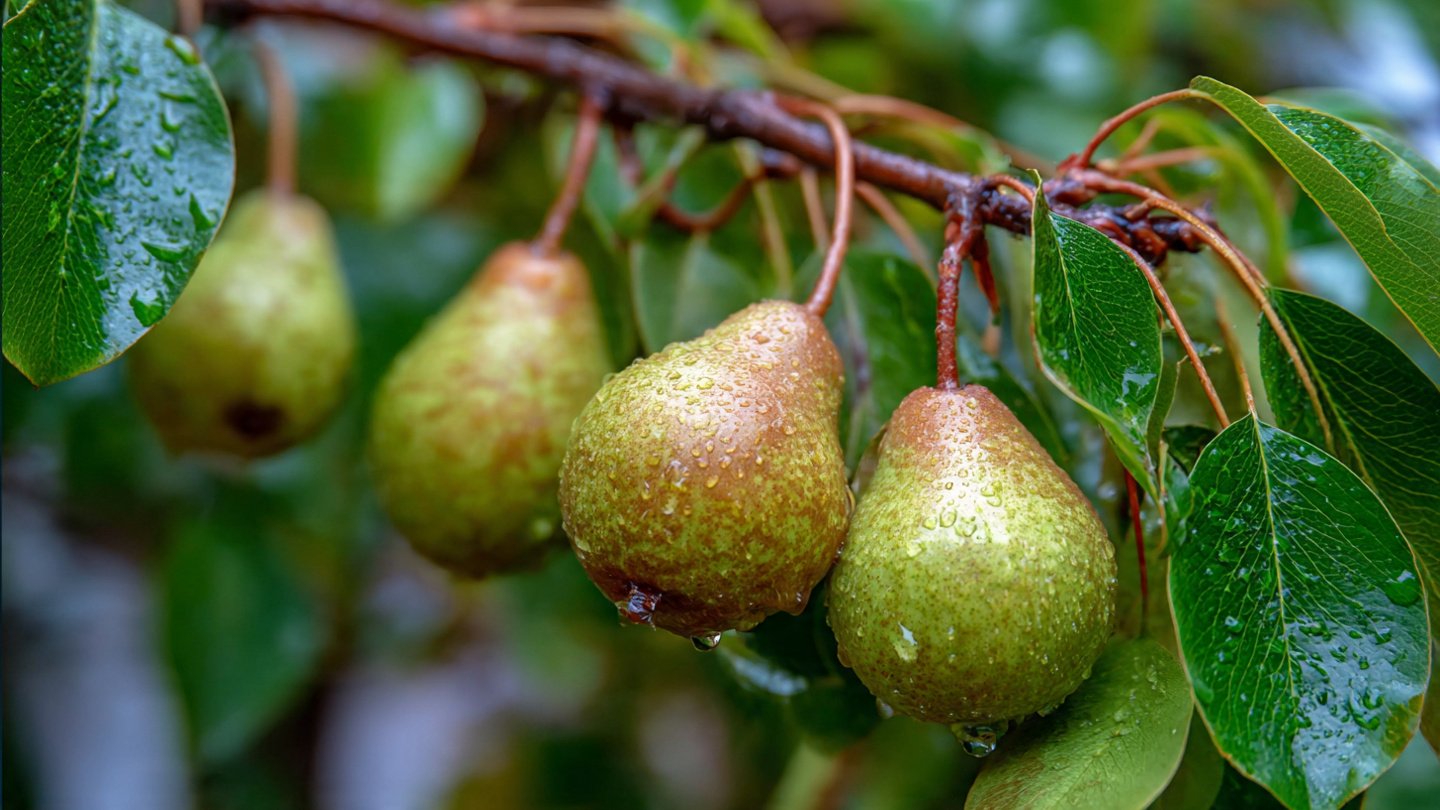
Growing Bartlett pears in your backyard can be a rewarding and fruitful endeavor. With their sweet flavor, smooth texture, and versatile uses, Bartlett pears are a favorite among home gardeners. This guide will walk you through everything you need to know to successfully cultivate these delicious fruits, from selecting the right variety to maintaining your tree and harvesting your pears.
1. Understanding the Bartlett Pear
1.1 History and Characteristics
The Bartlett pear (Pyrus communis) is one of the oldest and most popular varieties of pears. Originally developed in England, it was brought to North America in the 19th century and has since become a staple in many home gardens and commercial orchards. Bartlett pears are known for their classic bell shape and smooth, yellow skin. They ripen to a soft, juicy texture and offer a sweet flavor that is perfect for fresh eating, canning, and baking.
1.2 Choosing the Right Variety
While the traditional Bartlett pear is widely cherished, several variations are available, including the Red Bartlett and the D’Anjou. When selecting a variety, consider the following:
- Red Bartlett: Offers the same sweet flavor but has a striking red skin.
- Anjou Pear: A slightly firmer and often sweeter alternative, perfect for different climates.
Choose a variety that is suitable for your regional climate and soil conditions.
2. Planning Your Orchard
2.1 Location
Bartlett pears thrive in well-drained soil with full sun exposure. Look for a location that receives at least 6-8 hours of sunlight daily. The soil should be slightly acidic to neutral (pH 6.0-7.0). Avoid areas with heavy clay or standing water, as excess moisture can lead to root rot.
2.2 Space Requirements
When planting Bartlett pears, provide ample space for the tree to grow. Standard-sized trees can reach heights of 15 to 20 feet and require about 20 feet of space in all directions. Dwarf varieties will need less room, typically around 10 feet of space.
3. Planting Bartlett Pears
3.1 When to Plant
The best time to plant Bartlett pear trees is in early spring or late fall when the tree is dormant. This gives the roots time to establish before the growing season begins.
3.2 Planting Steps
-
Prepare the Site: Clear the area of weeds, grass, and debris. Test the soil pH and amend as necessary.
-
Dig the Hole: Dig a hole that is twice the width of the root ball and just as deep. The top of the root ball should sit level with or slightly above the soil surface.
-
Plant the Tree: Gently place the tree in the center of the hole. Fill in with soil, making sure to avoid packing it too tightly. Water thoroughly immediately after planting.
-
Mulch: Apply a 2-3 inch layer of mulch around the base of the tree to retain moisture and suppress weeds.
3.3 Pollination
Bartlett pears are not self-pollinating, meaning you’ll need at least two trees for effective pollination. Consider planting another variety, such as the Bosc or Conference pear, nearby to improve fruit sets.
4. Caring for Your Bartlett Pear Tree
4.1 Watering
Young pear trees require consistent watering, especially during dry spells. Water deeply once a week, allowing the soil to dry slightly between waterings. Once established, Bartlett pears are somewhat drought resistant but will produce better yields with regular watering.
4.2 Fertilizing
Fertilization is essential for healthy growth. Use a balanced fertilizer (10-10-10) during the growing season. Follow the application rates on the package, typically around 1 pound for the first year. Reduce the amount as the tree matures.
4.3 Pruning
Regular pruning promotes healthy growth and airflow. Key pruning practices include:
- Shape: Aim for an open center to allow light penetration.
- Timing: Prune during the dormant season (late winter).
- Remove: Cut away any dead, diseased, or crossing branches.
4.4 Pest and Disease Management
Bartlett pears can be susceptible to various pests and diseases:
-
Common Pests: Aphids, pear psylla, and coddling moths.
- Management: Implement integrated pest management (IPM) strategies such as introducing beneficial insects and using insecticidal soap.
-
Diseases: Fungal diseases like fire blight and powdery mildew.
- Management: Maintain good airflow, avoid overhead watering, and prune regularly to remove infected tissue.
5. Harvesting Bartlett Pears
5.1 Signs of Ripeness
Bartlett pears are typically ready for harvest in late summer to early fall (August to September). Look for the following signs:
- Color Change: The skin will turn from a greenish-yellow to a golden yellow.
- Easily Removed: The pears should come off the tree with a gentle twist.
- Firmness: The pears should yield slightly when gently pressed.
5.2 Picking and Handling
Always pick pears gently to avoid bruising. Use a picking pole if necessary for higher branches. Handle freshly harvested pears with care.
5.3 Ripening Pears
If you harvest pears that are still firm, allow them to ripen at room temperature for a few days. Once ripe, store them in the refrigerator to extend their freshness.
6. FAQs
Q1: How long does it take for Bartlett pears to bear fruit?
A: Bartlett pears typically begin to produce fruit 3-4 years after planting, although it can take longer depending on the conditions and care.
Q2: Can I grow Bartlett pears in containers?
A: Yes, dwarf varieties of Bartlett pears can be successfully grown in containers. Ensure the container is large enough (at least 15 gallons) and provides proper drainage.
Q3: Do Bartlett pears require a lot of maintenance?
A: While they do require regular watering, pruning, and pest management, with the right care, Bartlett pears are relatively easy to maintain.
Q4: What are the best companion plants for Bartlett pear trees?
A: Companion plants like garlic, chives, and certain flowers can help deter pests and improve soil health. Ensure that the companions do not compete for nutrients or space.
Q5: Can I propagate Bartlett pears from cuttings?
A: Propagation by cuttings is not commonly successful with Bartlett pears. The best method is to purchase grafted trees or seedlings from a reputable nursery.
Q6: What is the best way to store harvested Bartlett pears?
A: Store ripe pears in the refrigerator in a perforated bag. They can last up to a week. If unripe, keep them at room temperature until they soften.
Conclusion
Growing Bartlett pears in your backyard can be a fulfilling experience, offering not just delicious fruit but also a way to connect with nature. By following this comprehensive guide and paying attention to your tree’s needs, you can enjoy a bountiful harvest year after year. Happy gardening!