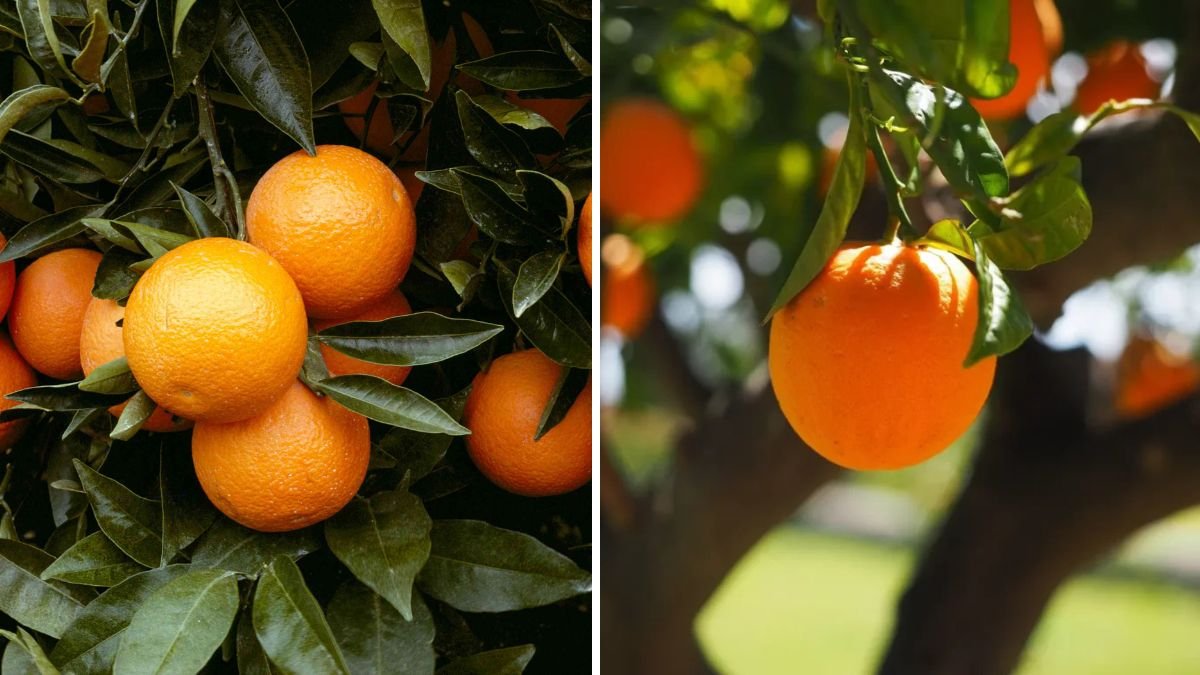
Orange trees are among the most cherished fruit trees in the world. Their juicy, sweet, and tangy fruits are not only delicious but also packed with nutrients like vitamin C, antioxidants, and dietary fiber. While many people buy oranges from stores, growing your own orange tree at home is a rewarding experience that offers fresh, chemical-free fruit and adds a beautiful, fragrant touch to your garden. In this article, we’ll explore a new idea for growing orange trees that can help both beginners and experienced gardeners achieve success.
Why Grow Orange Trees at Home?
Growing oranges at home is more than just a hobby; it comes with numerous benefits:
- Fresh and Healthy Fruit: You control how your oranges are grown, avoiding pesticides or chemicals.
- Aromatic Appeal: Orange trees produce fragrant blossoms that can brighten your garden and even your indoor spaces if grown in pots.
- Educational Opportunity: It’s a perfect way to learn about plant growth, fruit production, and gardening techniques.
- Sustainability: Homegrown oranges reduce the need for commercially transported fruit, lowering your carbon footprint.
Understanding Orange Trees
Before diving into planting, it’s important to understand the basics of orange trees:
- Varieties: Popular orange varieties include Valencia, Navel, and Blood Orange. Each type has its own fruiting season, taste, and size.
- Climate Needs: Orange trees thrive in subtropical to tropical climates, with warm temperatures and well-drained soil.
- Growth Pattern: They grow as small to medium-sized evergreen trees, making them suitable for both gardens and large containers.
Step 1: Choosing the Right Orange Seeds or Saplings
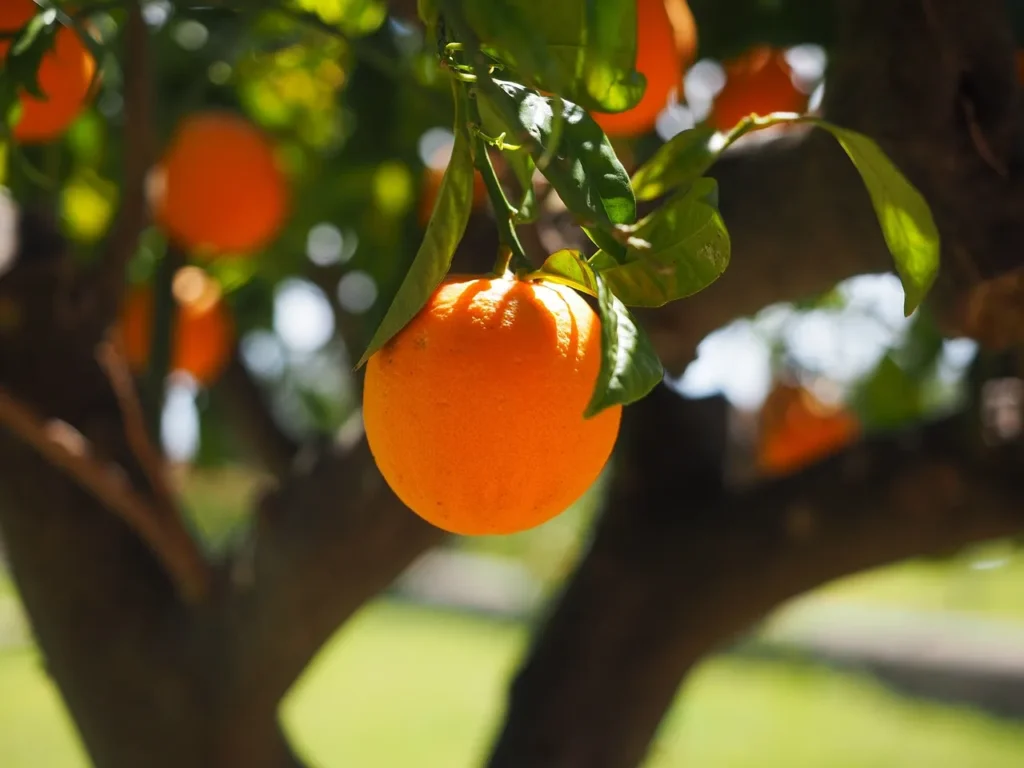
Traditionally, orange trees are grown from seeds or nursery saplings. However, the new idea focuses on using grafted saplings or seedlings from healthy, disease-free oranges to ensure faster growth and better fruit quality.
Selecting Seeds or Saplings:
- Healthy Fruit Source: If using seeds, choose a ripe, disease-free orange.
- Seed Treatment: Clean the seeds thoroughly to remove all pulp. Some gardeners soak seeds in water for 24 hours to promote germination.
- Nursery Saplings: If using a sapling, select a grafted variety for faster fruiting and higher success rates.
Step 2: Preparing the Planting Site
Whether you’re planting in the garden or a large pot, proper preparation is key:
- Sunlight: Orange trees require at least 6–8 hours of direct sunlight daily.
- Soil: Use well-draining soil rich in organic matter. Avoid heavy clay soils that retain too much water.
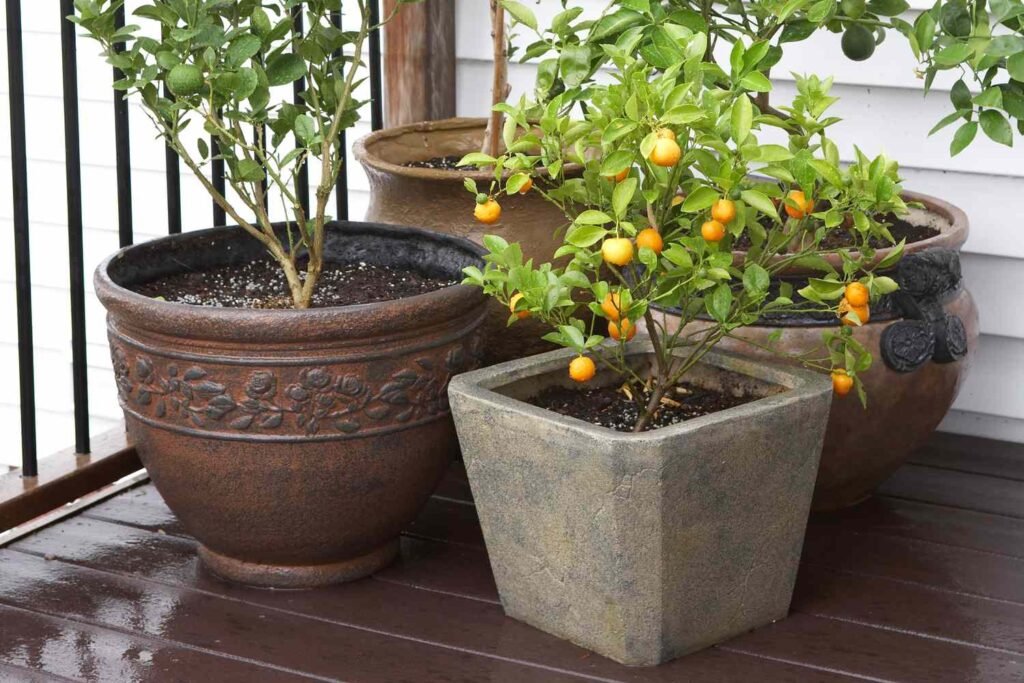
- Container Option: For indoor growth, use a large pot (at least 15–20 gallons) with drainage holes.
Step 3: Planting Your Orange Tree
The new approach emphasizes careful planting for long-term success:
For Seeds:
- Germination: Plant seeds about half an inch deep in a seed-starting mix. Keep soil moist and maintain a warm temperature of 70–80°F.
- Transplanting: When seedlings have grown 4–6 inches tall and developed a few sets of leaves, transplant them into larger pots or your garden.
For Saplings:
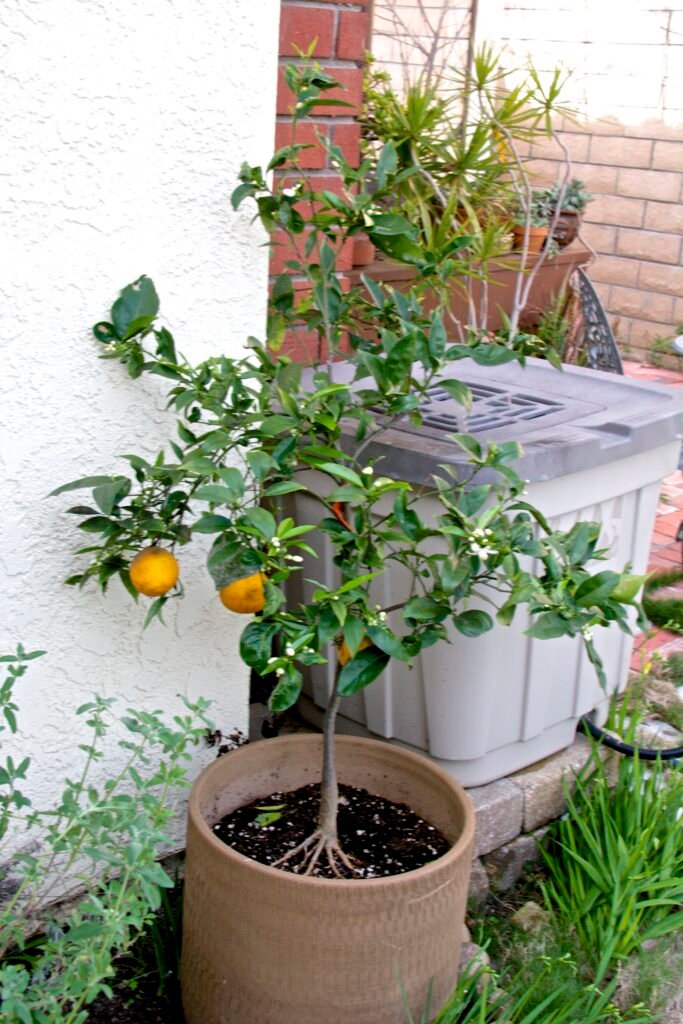
- Digging a Hole: Make a hole twice as wide and deep as the root ball.
- Planting: Place the sapling carefully in the hole, ensuring that the top of the root ball is level with the surrounding soil.
- Filling and Watering: Fill the hole with soil and water thoroughly to help the roots settle.
Step 4: Watering and Fertilization
Orange trees need consistent care, especially in the first few years:
- Watering: Keep the soil evenly moist. Overwatering can lead to root rot, while underwatering may stunt growth.
- Mulching: Apply mulch around the base to retain moisture and suppress weeds.
- Fertilization: Use a balanced citrus fertilizer every 6–8 weeks during the growing season. Organic compost or well-rotted manure also works well.
Step 5: Supporting Growth and Health
To ensure your orange tree thrives, follow these tips:
- Pruning: Remove dead or damaged branches to encourage healthy growth. Pruning also improves air circulation and sunlight penetration.
- Pest Control: Monitor for common pests like aphids, scale insects, and spider mites. Organic sprays, neem oil, or insecticidal soap can be effective.
- Disease Management: Prevent fungal diseases by avoiding overhead watering and keeping the area around the tree clean.
Step 6: Encouraging Flowering and Fruiting
One challenge for home gardeners is getting orange trees to flower and produce fruit. Here’s where the new idea comes into play:
- Grafting Benefits: Using grafted saplings encourages earlier flowering compared to seed-grown trees.
- Sunlight Exposure: Ensure your tree receives enough sunlight, as inadequate light can prevent flowering.
- Proper Nutrition: Citrus trees need adequate nitrogen, phosphorus, and potassium. A balanced fertilizer with trace elements like magnesium and zinc promotes healthy flowering.
Step 7: Harvesting Your Oranges
Oranges grown at home can be harvested when:
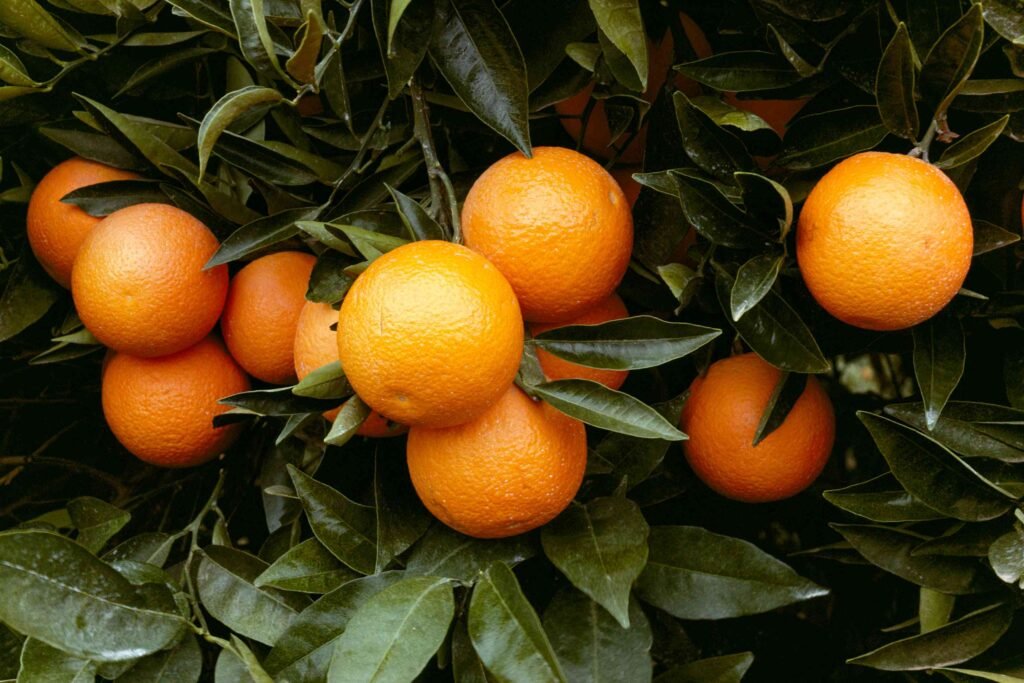
- Color Changes: The fruit changes from green to bright orange.
- Firmness: The fruit feels firm but slightly soft when gently squeezed.
- Aroma: Ripe oranges emit a sweet, citrusy fragrance.
Harvest carefully by twisting or cutting the fruit to avoid damaging branches.
Bonus Tips for Homegrown Orange Trees
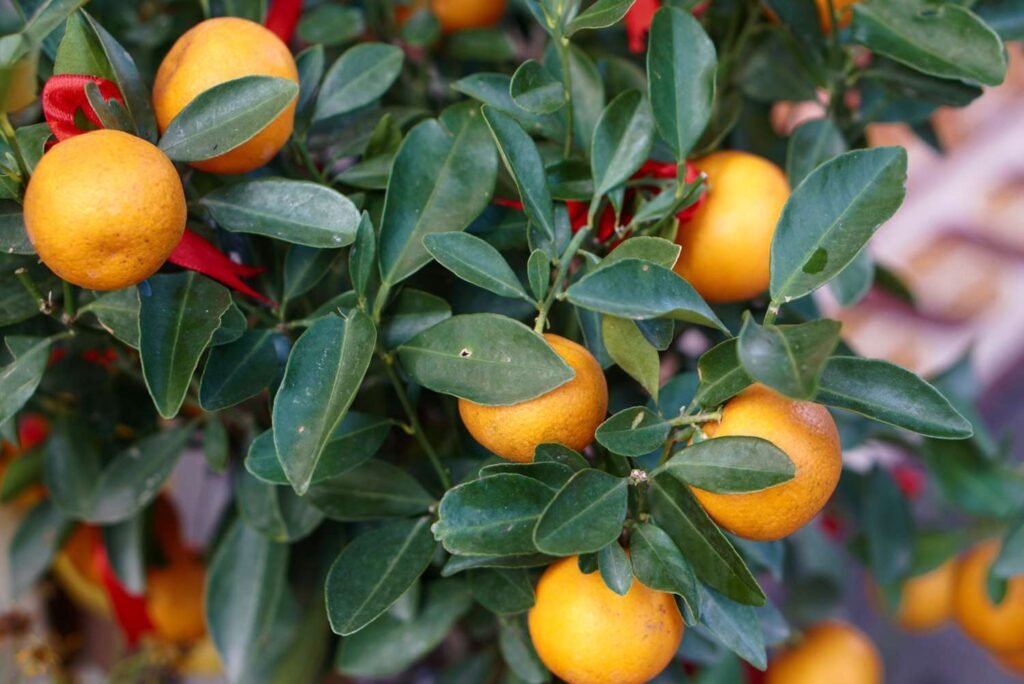
- Indoor Growth: Dwarf varieties like Calamondin can thrive indoors in large pots, bringing a splash of citrus to your living space.
- Companion Planting: Planting flowers or herbs nearby can attract pollinators and improve fruit set.
- Regular Inspection: Check your tree weekly for pests, diseases, or nutrient deficiencies. Early detection makes treatment easier.
- Patience: Orange trees grown from seeds may take 4–6 years to bear fruit, while grafted trees can start fruiting in 2–3 years.
Conclusion
Growing orange trees at home is both rewarding and enjoyable. With this new idea for growing orange trees, whether through seed germination or grafted saplings, you can cultivate a thriving, fruitful tree that provides fresh oranges and enhances your garden’s beauty. By following the steps outlined—from selecting quality seeds or saplings, preparing the soil, careful planting, to consistent care and monitoring—you’ll be well on your way to enjoying homegrown oranges for years to come.
With patience, attention, and a little gardening know-how, you can transform your backyard or balcony into a citrus paradise. Start today and experience the satisfaction of growing your very own orange tree, right from the comfort of home!