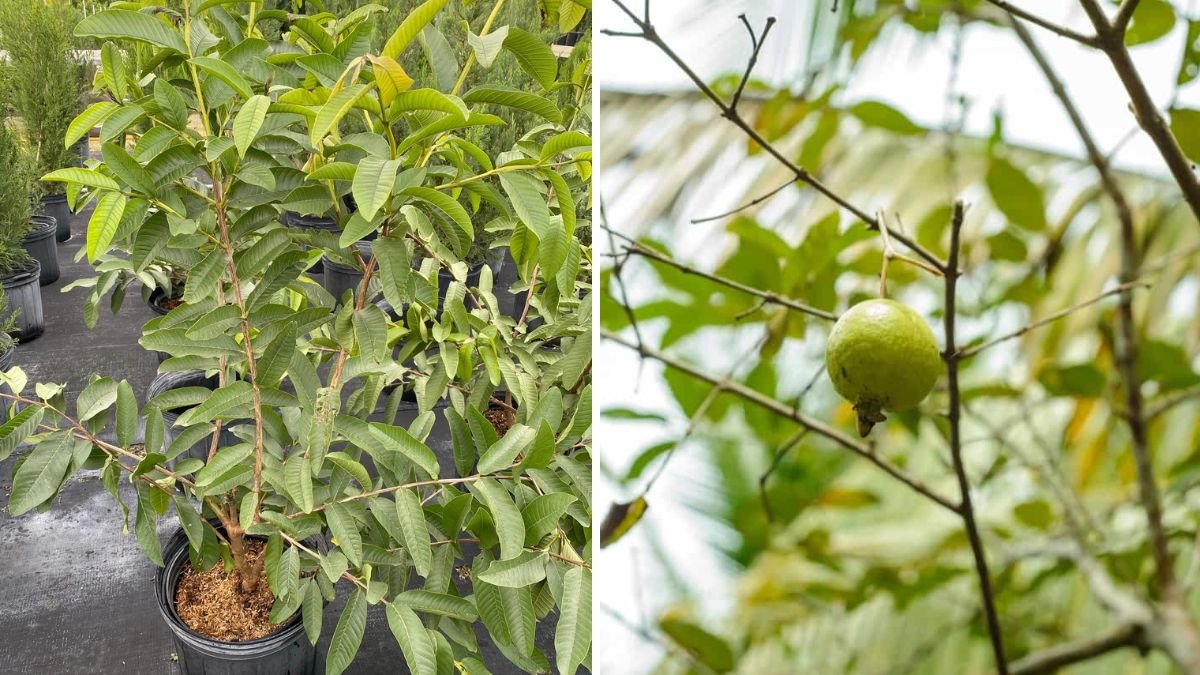
Guava trees are one of the most rewarding fruit trees to grow at home. Known for their sweet, tangy flavor and high nutritional content—including vitamin C, dietary fiber, and antioxidants—guavas are not only delicious but also incredibly healthy. While many people buy guavas from local markets, propagating your own guava trees can ensure a constant supply of fresh, organic fruit. In this guide, we’ll explore a new idea for propagating guava trees that is simple, efficient, and highly effective for both home gardeners and commercial growers.
Why Propagate Guava Trees?
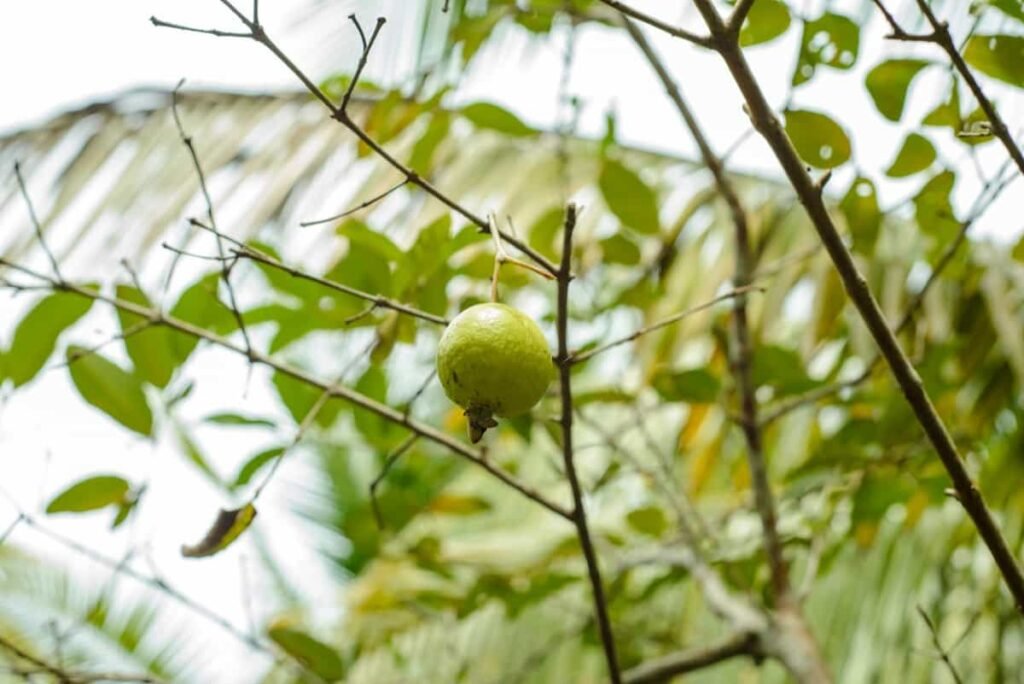
Propagating guava trees offers several advantages over buying seedlings or relying on natural growth:
- Faster Fruiting: Propagated trees, especially those grown through cutting or grafting, can produce fruit earlier than seed-grown trees.
- Consistent Fruit Quality: Propagation ensures that new trees inherit the desirable traits of the parent tree, including fruit size, taste, and aroma.
- Cost-Effective: Growing your own trees from cuttings or grafts reduces the cost of purchasing nursery plants.
- Control Over Health: You can choose disease-free, strong parent plants, ensuring your new trees are healthy from the start.
Understanding Guava Tree Propagation
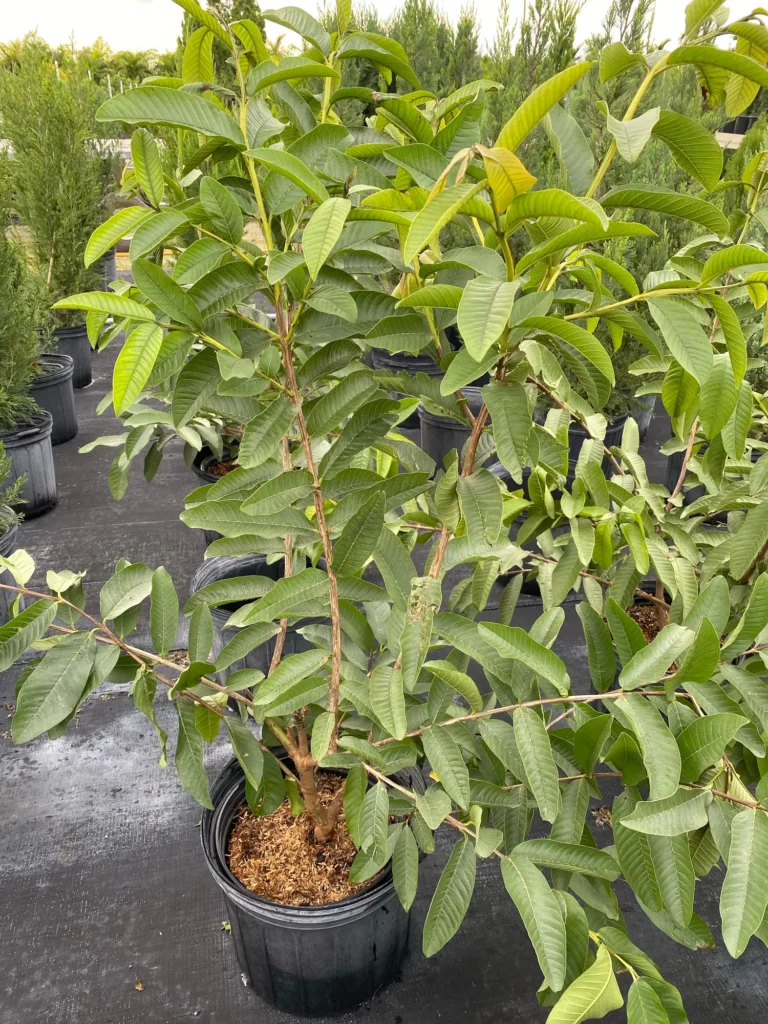
There are several ways to propagate guava trees, including:
- Seed Propagation: Growing guava trees from seeds is easy but may take longer to bear fruit and the fruit quality can vary.
- Cutting Propagation: Using a branch or twig from a healthy parent tree to grow a new plant.
- Grafting: Combining a scion (fruiting branch) with a strong rootstock for faster fruiting and better disease resistance.
The new idea focuses on using a combination of cutting and grafting techniques to ensure rapid growth, high success rates, and consistent fruit quality.
Step 1: Selecting the Parent Tree
The first step in propagating guava trees is choosing a healthy parent tree. Consider the following:
- Fruit Quality: Select a tree that produces large, tasty, and disease-free guavas.
- Tree Health: Look for a tree with strong branches, free of pests, disease, or deformities.
- Age of Tree: Mature trees (3–5 years old) are ideal for cutting or grafting.
Choosing the right parent tree ensures that your propagated guava will inherit the best traits and have a strong foundation for growth.
Step 2: Choosing the Propagation Method
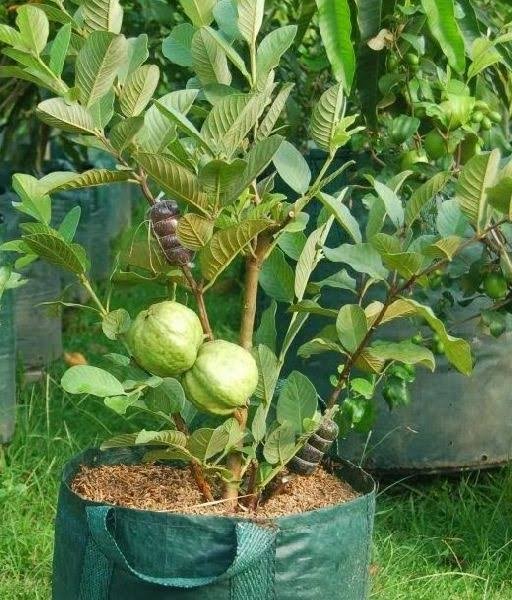
While seeds are a traditional method, the new idea focuses on stem cuttings combined with grafting, which is faster and more reliable. Here’s why:
- Stem Cuttings: Provide a higher survival rate than seeds and grow into fruit-bearing trees faster.
- Grafting: Combines the strong root system of one tree with the superior fruiting characteristics of another.
This method allows gardeners to propagate multiple trees from a single parent plant while maintaining consistent fruit quality.
Step 3: Preparing the Cuttings
Follow these steps to prepare healthy guava cuttings:
- Select Healthy Branches: Choose semi-hardwood branches that are about 8–12 inches long.
- Trim the Leaves: Remove the lower leaves, leaving 2–3 at the top to reduce water loss.
- Apply Rooting Hormone: Dip the cut end in rooting hormone to stimulate root growth.
Proper preparation of cuttings is crucial to ensure that they take root successfully and develop into strong plants.
Step 4: Planting the Cuttings
Once your cuttings are ready, it’s time to plant them:
- Soil Preparation: Use a well-draining potting mix rich in organic matter. A combination of sand, garden soil, and compost works well.
- Planting Depth: Insert the cutting 2–3 inches deep into the soil, making sure it stands upright.
- Watering: Water gently to keep the soil moist but not waterlogged. Overwatering can cause the cutting to rot.
For faster growth, consider planting the cuttings in pots first and then transplanting them into the garden once they develop strong roots.
Step 5: Caring for Your Cuttings
Cuttings require careful attention during the initial stages of growth:
- Shade: Keep the cuttings in a shaded area for the first few weeks to prevent direct sunlight from causing stress.
- Humidity: Maintain high humidity by covering cuttings with a transparent plastic bag or using a mini greenhouse setup.
- Fertilization: After 4–6 weeks, apply a balanced liquid fertilizer to promote healthy growth.
Proper care increases the success rate of cuttings and ensures they grow into strong, productive trees.
Step 6: Grafting for Better Fruit Quality
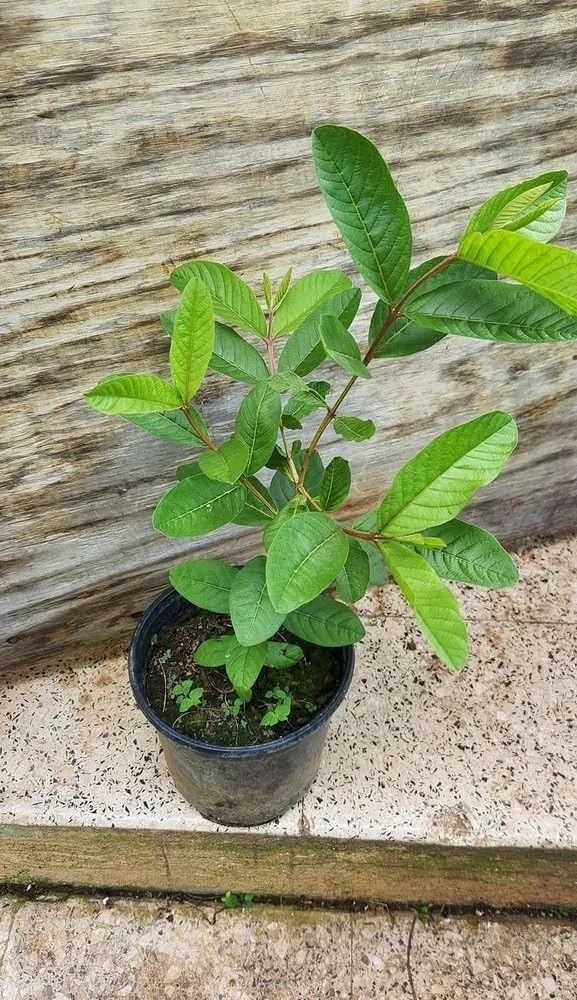
Once the cuttings have developed strong roots, you can graft them with scions from high-quality guava varieties:
- Select Scions: Choose a 6–8 inch branch from a guava tree known for superior fruit quality.
- Make a Cleft or Side Veneer Cut: Depending on the rootstock size, make a vertical slit or side cut to insert the scion.
- Join Cambium Layers: Ensure that the green cambium layers of the scion and rootstock are aligned for successful grafting.
- Secure the Graft: Use grafting tape or parafilm to hold the scion in place and prevent moisture loss.
Grafting ensures that your propagated guava trees produce consistent, high-quality fruit much faster than seed-grown plants.
Step 7: Aftercare for Grafted Guava Trees
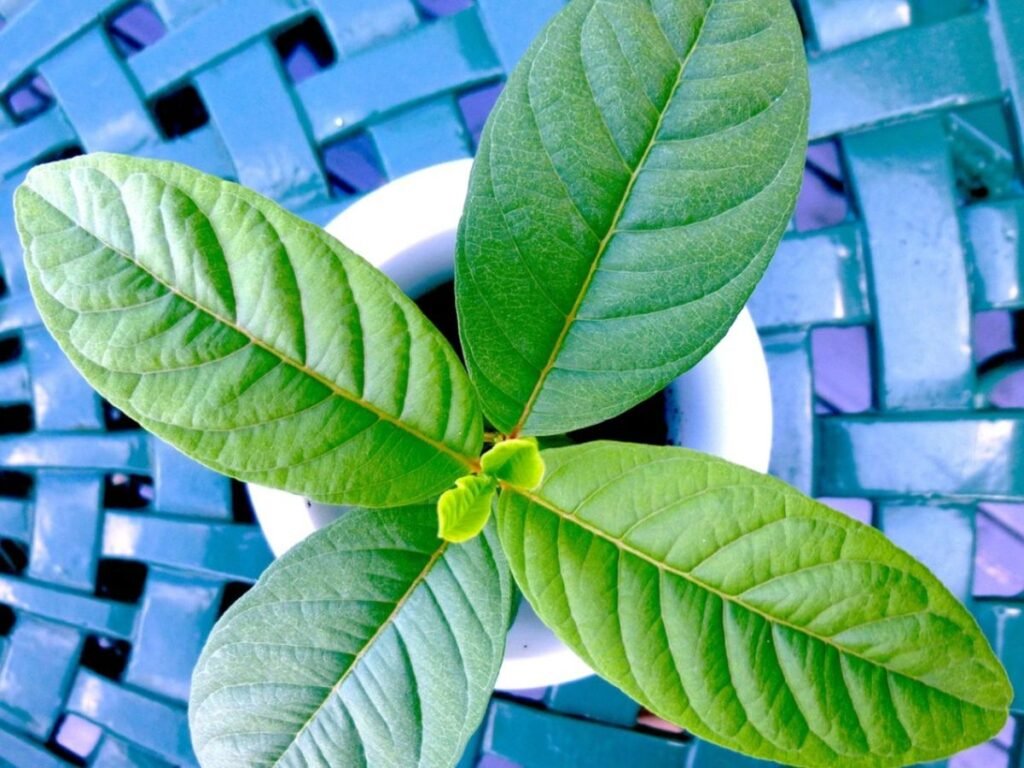
After grafting, proper care is essential for healthy growth:
- Watering: Maintain consistent moisture but avoid waterlogging.
- Sunlight: Gradually expose the grafted tree to full sunlight.
- Fertilization: Use a balanced fertilizer every 6–8 weeks to support growth and fruiting.
- Monitoring: Check the graft regularly for signs of wilting, infection, or pest damage. Remove any shoots from the rootstock that may compete with the scion.
Step 8: Harvesting Your Guavas
With proper propagation and care, your guava trees will begin producing fruit in 1–2 years for grafted trees or 3–5 years for cuttings:
- Color Change: Guavas are ready to harvest when they change from dark green to a lighter green or yellowish hue.
- Aroma: Ripe guavas emit a sweet, fragrant aroma.
- Firmness: Fruits should be slightly soft when gently squeezed.
Harvest carefully by twisting or cutting the fruit to avoid damaging branches.
Bonus Tips for Successful Guava Propagation
- Use Healthy Soil: Regularly amend your soil with organic compost to maintain fertility.
- Pest Management: Monitor for pests like fruit flies or aphids and treat with organic solutions.
- Pruning: Remove dead or weak branches to encourage airflow and light penetration.
- Multiple Propagations: Propagate several cuttings at a time to ensure higher success rates and expand your guava orchard quickly.
Conclusion
Propagating guava trees using this new idea of stem cuttings combined with grafting is a simple, effective way to grow healthy, productive trees. Whether you are a home gardener or an aspiring commercial grower, this method allows you to produce high-quality guavas faster, maintain consistent fruit quality, and enjoy the satisfaction of growing your own tropical fruit.
With proper selection of parent plants, careful preparation, grafting, and consistent care, you can cultivate guava trees that will reward you with delicious fruits for years to come. Start today and transform your garden into a thriving guava orchard!