Introduction: The Tropical Appeal of Acai
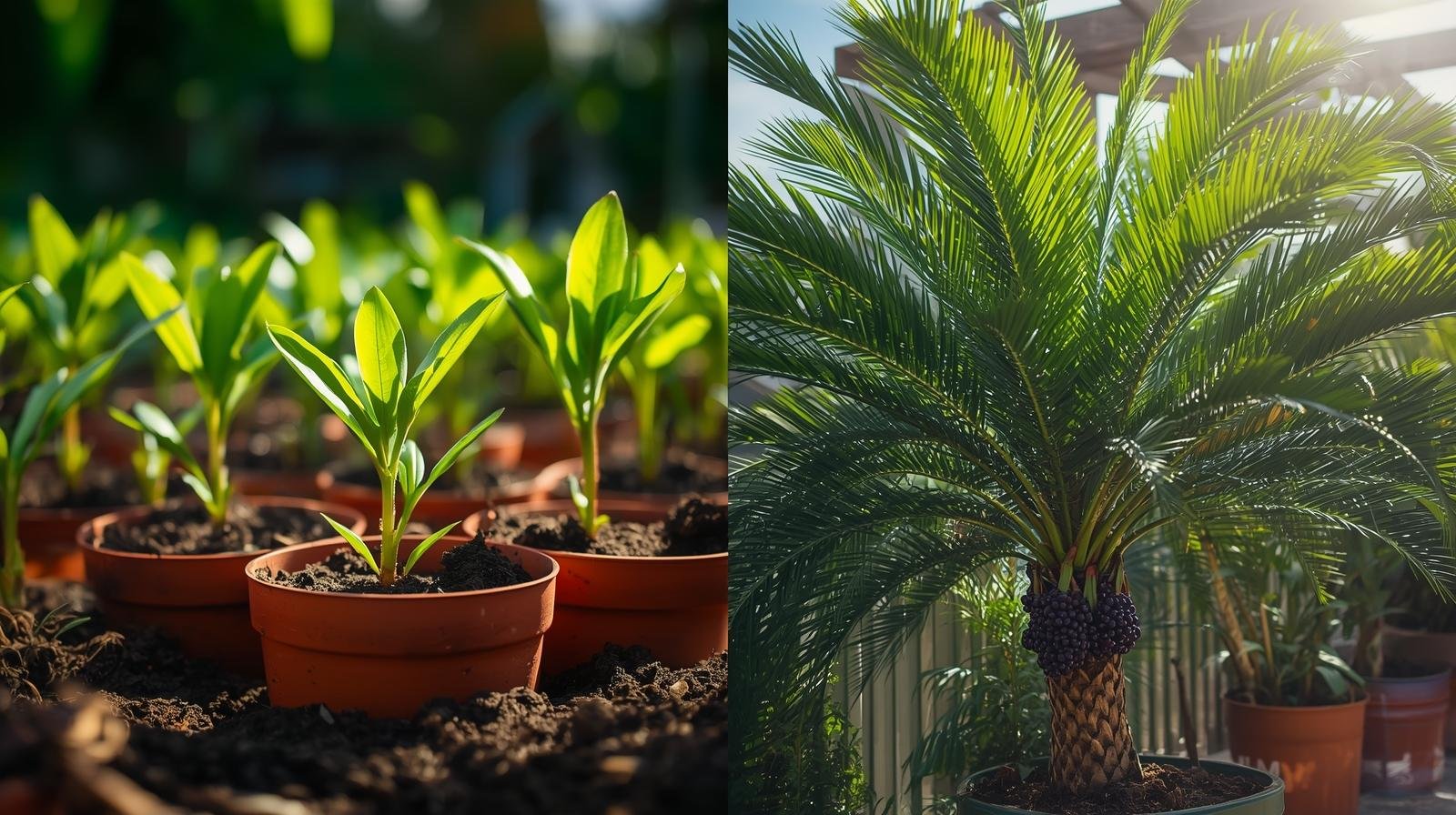
Acai berries are celebrated for antioxidants and health benefits. Growing acai plants at home adds tropical beauty and nutrition. They are suitable for containers, making them accessible for urban gardeners. The slender palm adds vertical interest to patios or greenhouses. Acai berries are small but nutrient-dense. Plants produce attractive fronds and clusters of berries. Growing at home ensures freshness and quality. Container gardening provides control over soil and climate. Homegrown acai combines ornamental and edible appeal. It is both functional and sustainable.
Acai Plant Characteristics
Acai palms grow up to twenty feet in nature but remain manageable in pots. Leaves are pinnate and create a tropical aesthetic. Berries appear in clusters along branches. The plant thrives in warm, humid conditions. Roots are shallow but spread widely. Containers limit growth but allow controlled fruiting. Acai palms require minimal care once established. Their ornamental form adds greenery. Understanding traits improves cultivation outcomes.
Ideal Container Selection
Choose deep, heavy pots to support vertical growth. Eighteen to twenty-four inches in depth is recommended. Ensure good drainage to prevent waterlogging. Large containers stabilize tall palms. Clay, ceramic, or sturdy plastic containers work best. Pot placement ensures sunlight access. Container size influences fruiting and root health. Proper container choice is essential. Mobility allows seasonal adjustment.
Soil Requirements for Acai
Acai requires well-draining, nutrient-rich soil. Mix potting soil with sand and compost. Avoid heavy, clay-dense soil. Slightly acidic soil improves nutrient uptake. Organic matter supports microbial activity. Soil should remain loose for root expansion. Container soil needs monitoring for moisture and compaction. Fertile soil encourages fast growth. Proper soil is the foundation of successful container acai.
Planting Seeds and Seedlings
Use fresh acai seeds or healthy seedlings. Seeds germinate in moist, warm soil over several weeks. Seedlings adapt quickly to containers. Plant seeds shallowly and cover lightly. Water gently after planting. Mulching reduces moisture loss. Avoid deep planting to prevent root rot. Correct planting improves growth. Establishment is key for long-term productivity.
Sunlight and Temperature
Acai palms need full to partial sun. Place containers in areas receiving six to eight hours of light. Temperatures should remain warm and frost-free. Indoor cultivation may require grow lights. Rotate containers for even growth. Sunlight supports photosynthesis and fruiting. Monitor leaves for sunburn. Temperature control affects plant health. Proper light is critical for container success.
Watering and Humidity Management
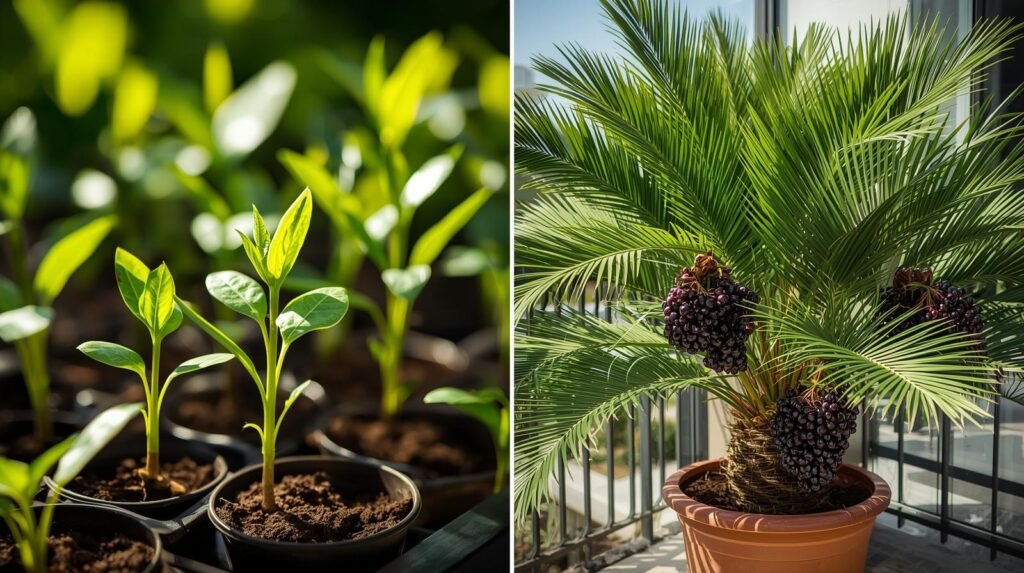
Maintain consistent moisture without waterlogging. Water when the topsoil dries slightly. High humidity favors tropical growth. Indoor plants benefit from misting or trays. Drainage prevents root rot. Container plants dry faster than ground soil. Balanced watering ensures healthy foliage. Monitor humidity to replicate tropical conditions. Water management is essential for acai.
Fertilizing Acai Plants
Acai palms are moderate feeders. Use balanced tropical plant fertilizers. Organic compost or liquid feed is effective. Fertilize every four to six weeks. Avoid over-fertilizing to prevent leaf dominance over berries. Container plants consume nutrients faster. Fertilization supports leaf growth and fruit development. Regular feeding improves overall health. Nutrient management boosts yields.
Pruning and Maintenance
Remove dead or damaged fronds regularly. Pruning improves airflow and reduces disease risk. Maintain manageable height in containers. Thin overcrowded shoots to focus energy on fruit. Monitor for pest and fungal issues. Proper maintenance improves aesthetics. Container palms respond well to pruning. Pruning supports fruiting and longevity. Consistent care is key.
Pest and Disease Control
Acai palms are susceptible to spider mites, scales, and fungal infections. Use organic solutions like neem oil. Inspect leaves weekly. Maintain airflow and avoid excess moisture. Remove infected fronds promptly. Container plants allow easy monitoring. Preventive care reduces losses. Healthy plants produce more fruit. Vigilant management ensures success.
Pollination and Flowering
Acai palms produce small flowers before berry formation. Bees and insects aid pollination. Container plants may need hand pollination. Flowering indicates upcoming fruit. Proper sunlight and nutrients stimulate flowering. Regular inspection ensures pollination success. Flower clusters produce more berries when healthy. Pollination affects yield. Encourage pollinators if outdoors.
Harvesting Acai Berries
Berries ripen dark purple in clusters. Harvest carefully to avoid damaging stems. Container plants produce smaller but flavorful fruits. Pick in the morning for freshness. Store immediately or freeze. Proper harvesting promotes next season growth. Observe fruit for color and size. Container palms allow easy collection. Timing ensures optimal nutrition.
Acai Plant Benefits
Fresh acai provides antioxidants and nutrients. Palm adds ornamental value to small spaces. Easy container care allows urban gardening. Plants produce berries annually when well-managed. Acai encourages biodiversity by attracting pollinators. Sustainable home cultivation reduces store dependency. Leaves create tropical ambiance. Container growth provides flexibility and beauty. Health benefits complement aesthetic value.
Acai Plant Reference Table
Aspect
Recommended Practice
Container Size
Eighteen to twenty-four inches depth
Soil Type
Well-draining, nutrient-rich
Sunlight
Six to eight hours daily
Watering
Consistent moisture, avoid soggy soil
Fertilizer
Balanced tropical feed
Pruning
Remove dead fronds, thin shoots
Final Thoughts on Acai Cultivation
Acai palms thrive in containers with careful management. Proper sunlight, watering, and fertilization ensure healthy growth. Pruning and pest control maintain plant health. Container-grown acai combines ornamental appeal with nutritious fruit. Urban gardeners can successfully grow tropical berries at home. Container gardening provides control and sustainability. Observing plant needs ensures a thriving palm. Acai is rewarding both visually and nutritionally. Start small and enjoy tropical harvests.