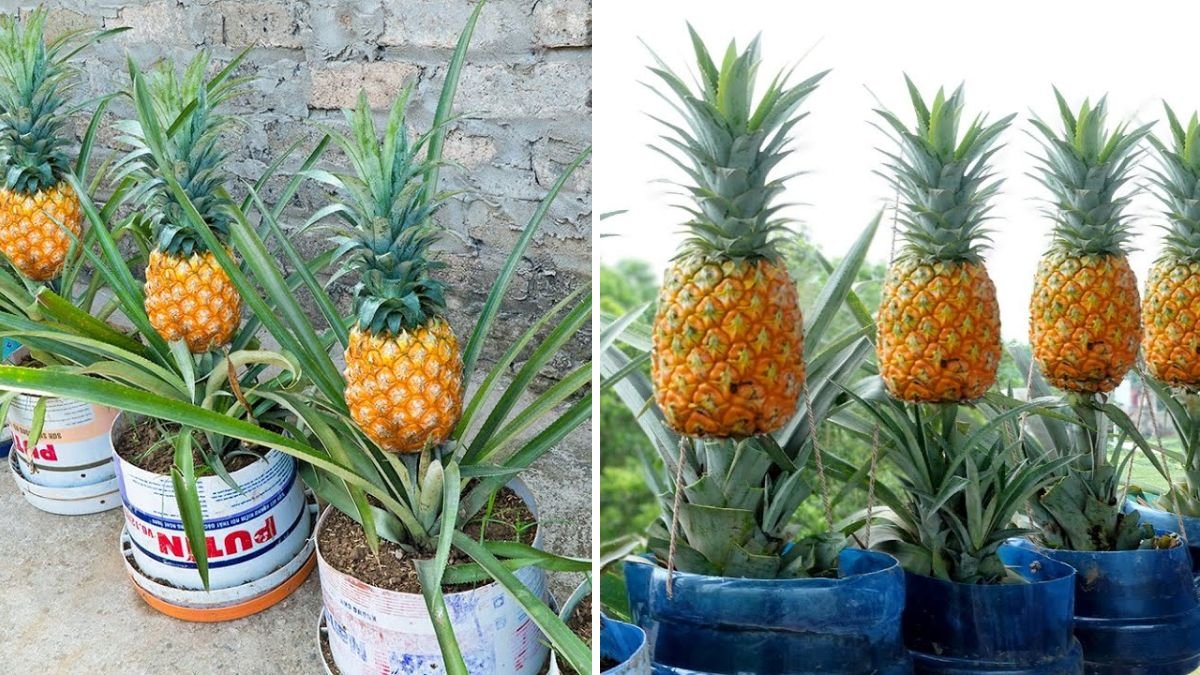
Pineapple is a tropical fruit loved for its sweet, tangy flavor and nutritional benefits. Rich in vitamins, antioxidants, and digestive enzymes, it’s a healthy addition to any diet. But did you know you can grow pineapple at home, even on a terrace, without a garden or large yard?
Yes, it’s surprisingly easy! With just a few steps and minimal materials, you can turn your terrace into a mini pineapple farm. In this guide, we’ll explore step-by-step instructions, tips, and secrets to grow pineapples at home and enjoy your own sweet, juicy fruits.
🌿 Why Grow Pineapple at Home?
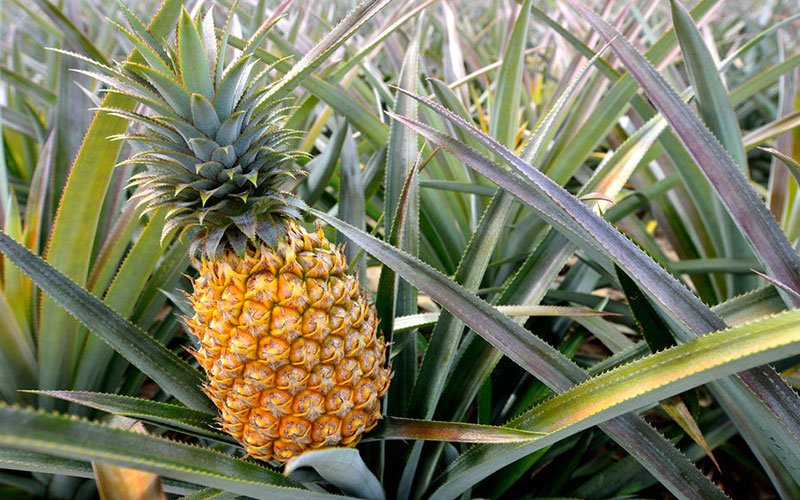
Homegrown pineapples offer several advantages:
- Fresh and chemical-free: You control soil, water, and fertilizers.
- Cost-effective: Growing at home saves money compared to buying tropical fruits regularly.
- Space-efficient: Perfect for terraces, balconies, or rooftops.
- Fun and rewarding: Watch a tiny plant grow into a fruit-bearing pineapple.
- Sustainable: Reuse containers and reduce food waste.
Growing pineapples on the terrace is both practical and satisfying.
🍍 Step 1: Choosing the Right Pineapple Top
The easiest way to start growing pineapple is from a pineapple crown:
- Choose a fresh, healthy fruit from the market.
- Remove the top with green leaves intact (around 2 inches of fruit attached).
- Peel off a few of the bottom leaves to expose small root buds.
- Let the crown dry for 1–2 days to reduce the risk of rotting.
A healthy pineapple top ensures strong root growth and successful planting.
🪴 Step 2: Selecting Containers
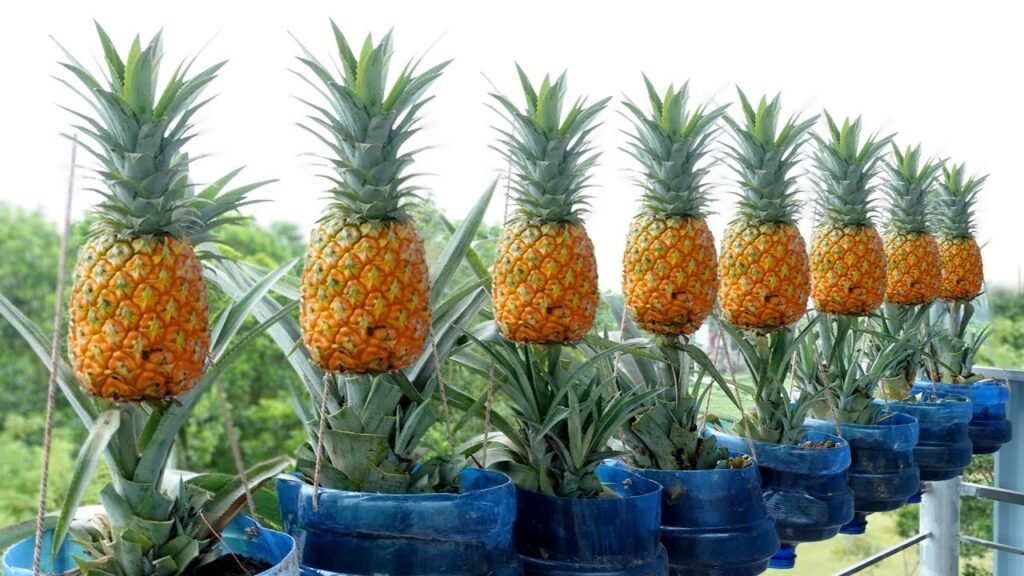
Pineapples grow well in medium to large pots:
- Use pots that are 10–12 inches deep for proper root growth.
- Ensure containers have drainage holes to prevent waterlogging.
- Recycled containers, clay pots, or plastic pots work perfectly.
Container selection is crucial for healthy growth and fruit development.
🌿 Step 3: Preparing Soil
Pineapples need well-draining, slightly acidic soil:
Ideal soil mix:
- 2 parts garden soil
- 1 part compost or well-rotted manure
- 1 part sand or perlite for drainage
Mix thoroughly to create a nutrient-rich environment for roots. Good soil ensures healthy leaves and strong fruiting.
💧 Step 4: Planting the Pineapple Crown
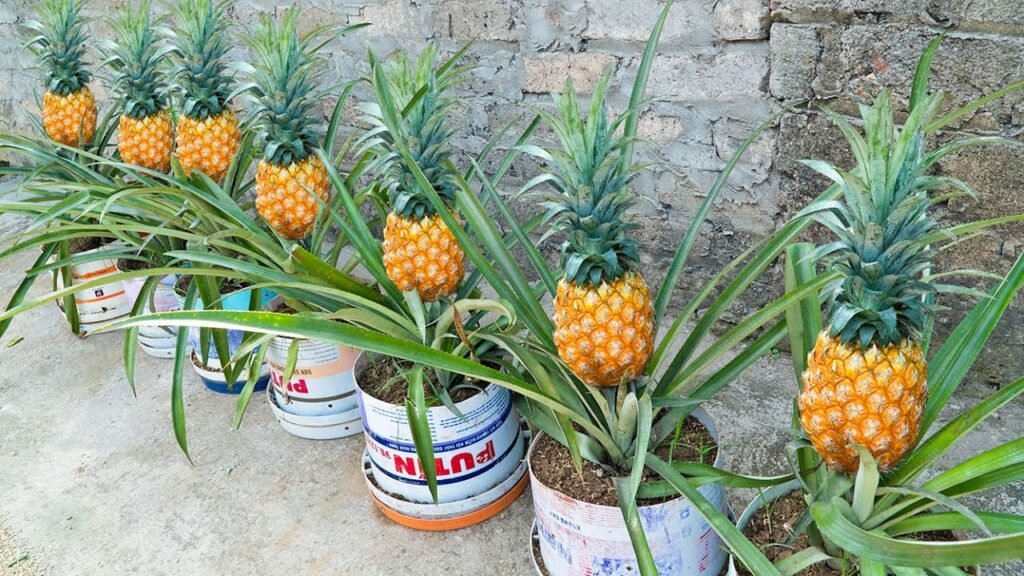
Planting correctly is key to success:
- Place the crown in the container with root buds facing downward.
- Fill soil around the base, leaving the top leaves exposed.
- Press lightly to secure the crown.
- Water lightly immediately after planting.
Tip: Keep the plant in a shaded area for the first few days to help roots establish.
🌞 Step 5: Sunlight Requirements
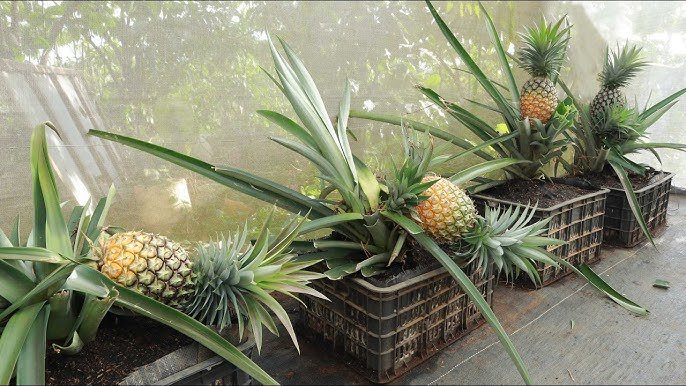
Pineapples love sunlight:
- Place the container in a spot with 6–8 hours of direct sunlight daily.
- Rotate the pot occasionally to ensure even growth.
- In very hot climates, provide partial shade during peak afternoon hours.
Proper sunlight promotes strong leaves, root development, and fruiting.
🌿 Step 6: Watering and Moisture Control
Pineapple plants require moderate watering:
- Water when the top 1–2 inches of soil feels dry.
- Avoid overwatering to prevent root rot.
- Mulch the soil surface with dry leaves or straw to retain moisture and regulate temperature.
Consistent watering ensures healthy leaves and juicy fruits.
🪴 Step 7: Fertilizing for Maximum Yield
Fertilization is important for fruit size and plant health:
- Use organic compost or well-rotted manure every 4–6 weeks.
- Apply a balanced N-P-K fertilizer for leafy growth during the first 6–8 months.
- Once the plant matures and produces flowers, switch to a high-phosphorus and potassium fertilizer to boost fruit development.
Well-fed plants produce larger, sweeter pineapples.
✂️ Step 8: Caring for the Plant
Pineapple plants require minimal but regular care:
- Remove yellow or damaged leaves to prevent disease.
- Check for pests such as mealybugs or aphids and treat naturally with neem oil or mild soap solutions.
- Pineapples grow slowly, so patience is essential.
Regular care ensures vibrant leaves and strong fruit growth.
🕒 Step 9: Flowering and Fruiting
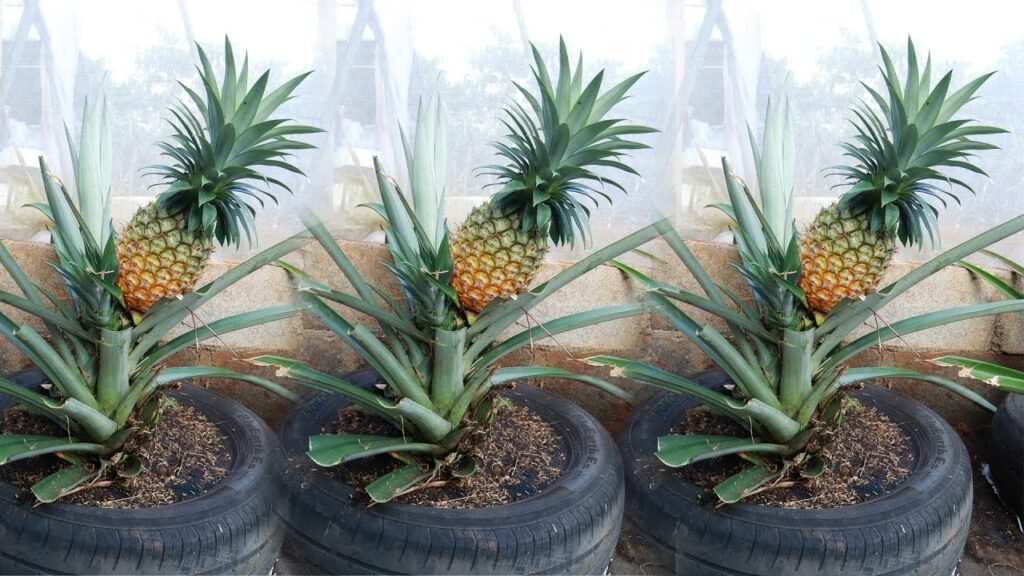
Pineapples take 18–24 months to mature from the crown:
- Flowers appear at the center of the plant before fruit develops.
- A healthy plant can produce a single pineapple fruit per cycle.
- Ensure consistent watering, sunlight, and fertilization during flowering for optimal fruit size and sweetness.
Though slow-growing, the reward of a homegrown pineapple is well worth the wait.
🌟 Step 10: Harvesting Pineapple
Signs your pineapple is ready to harvest:
- Fruit turns golden-yellow at the base and develops a sweet aroma.
- Leaves may start to slightly dry at the tips.
- Twist or cut the fruit carefully to avoid damaging the plant.
After harvesting, the same plant may produce “suckers” that can be replanted to grow more pineapples.
💡 Step 11: Tips for Maximum Success
- Use healthy, fresh pineapple crowns for planting.
- Ensure well-draining soil and containers.
- Provide 6–8 hours of sunlight daily.
- Maintain moderate, consistent watering.
- Fertilize regularly for strong leaves and sweet fruits.
- Be patient—pineapples are slow-growing but rewarding.
Following these tips ensures a productive and thriving terrace pineapple garden.
🏡 Benefits of Terrace Pineapple Gardening
- Fresh, sweet pineapples at home – no chemicals.
- Space-efficient – perfect for terraces, balconies, or small patios.
- Cost-saving – grow multiple pineapples from just a few crowns.
- Eco-friendly – reuse containers, reduce waste, and grow sustainably.
- Therapeutic and rewarding – gardening reduces stress and improves mental well-being.
Terrace gardening is not just practical—it’s fun, rewarding, and delicious.
🍍 Step 12: Conclusion – Your Terrace Pineapple Paradise
Growing pineapples on your terrace is an amazing, easy, and productive idea. Even without a garden, you can enjoy fresh, sweet, chemical-free pineapples at home.
From selecting the crown to planting, watering, fertilizing, and harvesting, this method allows urban gardeners of all skill levels to enjoy tropical fruits year-round.
Start today, follow these steps, and turn your terrace into a mini pineapple farm. The first harvest may take patience, but the taste and satisfaction of homegrown pineapple are incomparable.