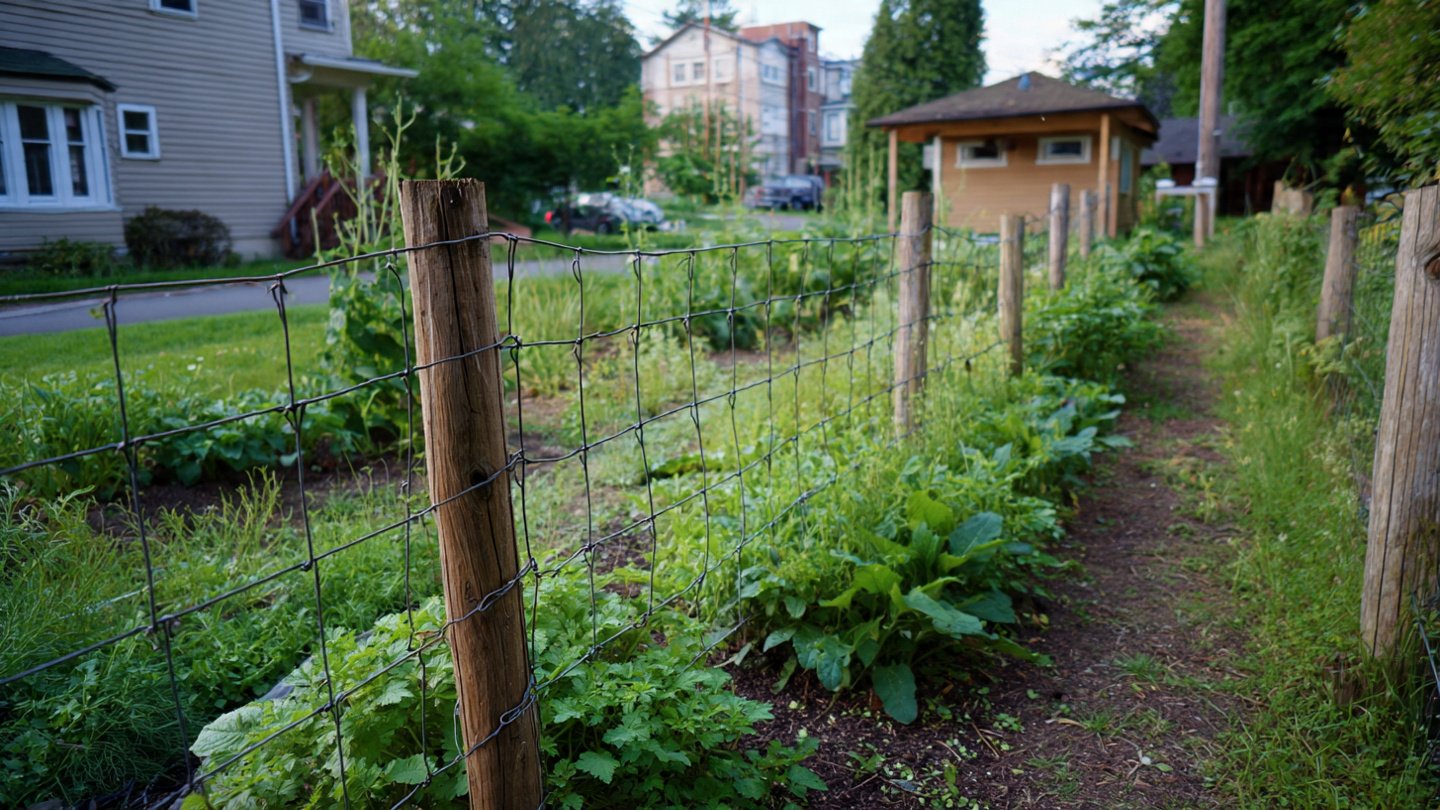
Growing vegetables can be a rewarding experience, but it can also be a constant battle against pests. Pests such as insects, rodents, and other wildlife can wreak havoc on your beloved plants, leading to inadequate yields or total loss of your garden. Understanding what these pests are, how they threaten your garden, and what you can do to mitigate their negative impact is crucial for any gardener.
Common Garden Pests
Before diving into solutions, let’s identify some common pests that often invade vegetable gardens:
- Aphids – Tiny insects that suck the sap from plants, weakening them and making them susceptible to diseases.
- Slugs and Snails – Creatures that feast on leaves, flowers, and fruits, often leaving behind unsightly trails.
- Caterpillars – Larvae of moths and butterflies that can completely decimate plant foliage.
- Rabbits – Known for their voracious appetite, they can quickly consume young seedlings and tender plants.
- Deer – Larger animals that can munch through entire crops if proper precautions aren’t taken.
How Pests Threaten Your Vegetable Garden
The presence of pests in your vegetable garden can lead to a variety of problems, including:
- Reduced Crop Yield: Pests can consume leaves, fruits, and roots, ultimately reducing the amount of food your plants can produce.
- Spread of Diseases: Many pests are carriers of diseases that can affect not only your plants but also the soil and surrounding plants.
- Stress on Plants: Pests weaken plants, making them more susceptible to environmental stressors like drought, heat, and cold.
- Increased Management Costs: If pests are not controlled, you may need to invest more in pesticides and other treatments, which can get costly.
Why a Fence is the Solution
One of the best strategies to combat pests is to install a fence around your vegetable garden. Here’s why:
Deterrent for Larger Animals
A fence acts as a physical barrier that can keep out larger pests such as rabbits and deer. A well-constructed fence can prevent these animals from entering your garden and feasting on your crops.
Reduction of Pest Entry
By fencing off your garden, you reduce the chances of smaller pests finding their way in. This is particularly effective if you design your fence to go underground to deter burrowing animals.
Controlled Access
A fence provides you control over who and what comes into your garden. You can create a designated entry point that can be monitored and secured, further protecting your plants from unwanted visitors.
Versatility in Design
Fences come in various designs and materials, allowing you to customize them not only for functionality but also for aesthetics. You can opt for wood, vinyl, or even metal fences that complement your garden’s appearance.
Barrier Against Disease Transmission
A fence can help limit the movement of pests and wildlife, which can act as vectors for diseases. This reduces the likelihood of infected pests entering your garden and impacting your crops.
Factors to Consider When Building a Fence
When considering a fence for your vegetable garden, keep the following points in mind:
- Height: The fence should be tall enough to deter deer and other large animals. A height of at least 6 to 8 feet is often recommended.
- Material: Use durable materials that can withstand weather conditions as well as deter various pests.
- Depth: For burrowing animals, ensure that your fence is buried at least a foot underground.
- Gate Access: Design an easy access point for yourself without compromising the integrity of the fence.
Maintenance and Additional Pest Control Methods
While a fence is a significant first step, maintenance and additional pest control methods can enhance its effectiveness:
- Regular Inspections: Regularly check for gaps or damages in the fence to ensure it remains effective.
- Companion Planting: Some plants can deter pests naturally; consider incorporating these into your garden layout.
- Natural Barriers: Consider using hedges or other plants as additional barriers around your fence.
- Pest Traps: Use traps for smaller pests that may still find their way into the garden.
Conclusion
Pests can pose significant threats to your vegetable garden, jeopardizing your efforts and investment. Understanding the specific pests that threaten your crops and implementing effective control measures is essential for successful gardening. By opting for a fence, you establish a strong defense against both large and small pests, thereby protecting your precious plants. However, a fence alone isn’t a universal solution; ongoing maintenance and the integration of additional pest control methods will ensure that your garden thrives long-term. Take the time to set up a robust fencing solution, and enjoy the satisfaction of a flourishing vegetable garden free from unwanted invaders.
FAQs
1. What type of fence is best for a vegetable garden?
A fence made from durable materials like wood or metal, at least 6-8 feet tall, usually works best. You can also use plastic mesh fences for smaller pests.
2. How deep should I bury my fence to deter burrowing animals?
It’s advisable to bury the fence at least 12 inches deep to prevent burrowing pests from digging their way into your garden.
3. Are there plants that can help deter pests?
Yes, companion planting with herbs like basil or marigolds can naturally deter specific pests and enhance your garden’s health.
4. How can I monitor the effectiveness of my fence?
Perform regular inspections for breaks or gaps, and observe any pest activity in your garden to determine if the fence is performing well.
5. Can I use pesticides in addition to fencing?
Yes, a combination of barriers and targeted pesticide use can be effective, but be cautious to select organic or safe options to protect your plants and the environment.