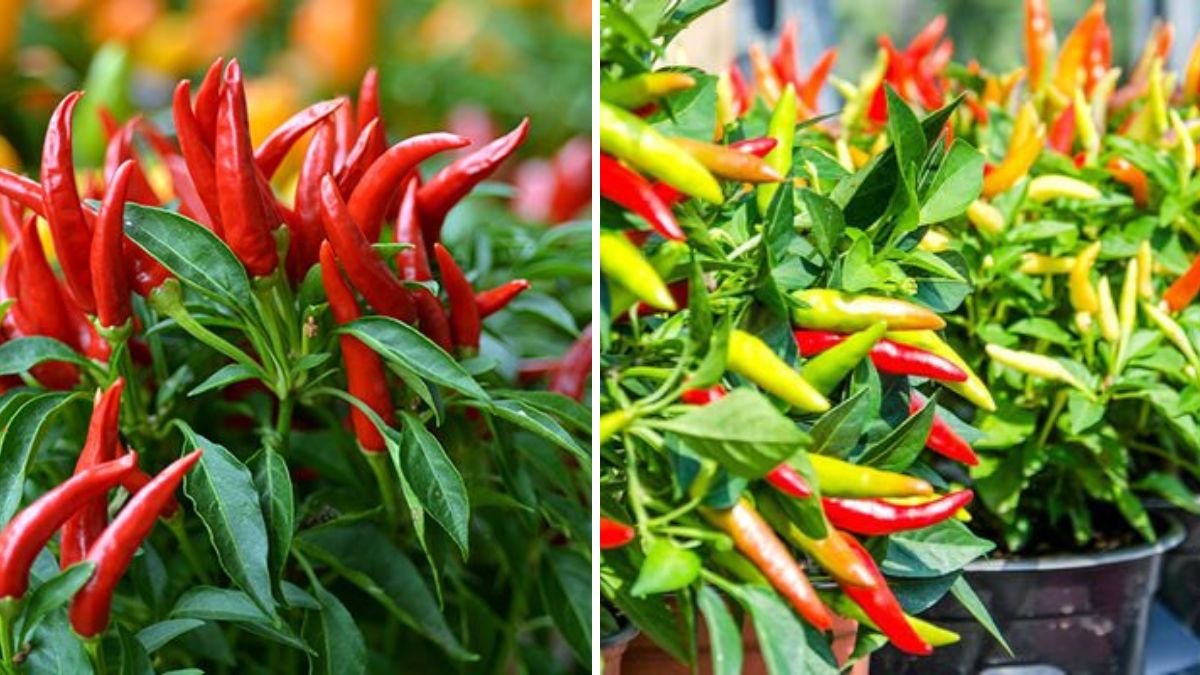
Chilies are a staple in kitchens worldwide, adding flavor, heat, and excitement to every meal. But growing your own chili at home isn’t just satisfying—it’s cost-effective, fun, and beginner-friendly. Whether you have a small balcony, a garden patch, or just a sunny windowsill, you can cultivate healthy, productive chili plants with a little guidance.
This article will walk you through every step of growing chilies, from choosing the right seeds to harvesting your first fiery fruits.
🌱 1. Why Grow Chilies at Home?
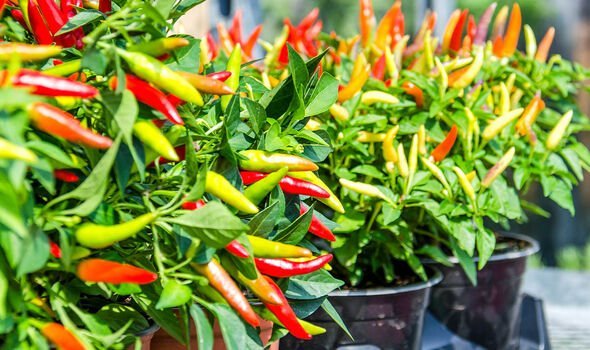
Homegrown chilies offer numerous advantages over store-bought ones:
✔ Freshness and Flavor
- Picked at peak ripeness for maximum taste
- More aromatic and spicy than supermarket chilies
✔ Cost Savings
- Grow multiple harvests from a single plant or a few seeds
✔ Control Over Chemicals
- Organic growth, free from pesticides and preservatives
✔ Variety
- Grow rare or exotic chili varieties not available in stores
✔ Satisfaction
- Watching chilies grow from seed to harvest is rewarding and fun
Growing chilies is perfect for both novice and experienced gardeners seeking flavorful produce.
🌶️ 2. Choosing the Right Chili Varieties
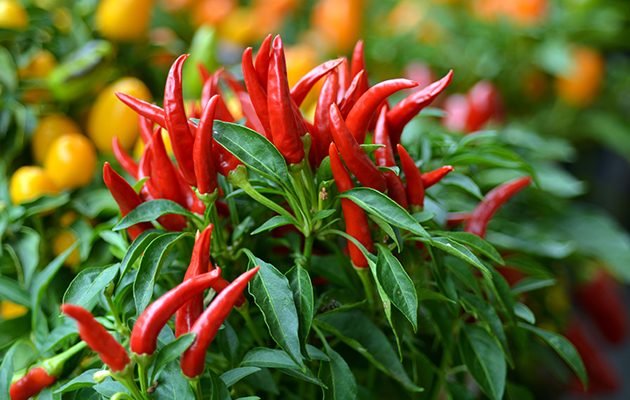
Selecting the right chili variety ensures success, flavor, and heat level.
🔹 Beginner-Friendly Varieties:
- Cayenne: Medium heat, prolific growth
- Jalapeño: Mild-moderate heat, ideal for small gardens
- Bird’s Eye Chili: Small, fiery, and great for potted growth
- Bell Peppers: Sweet and low-heat, perfect for beginners
🔑 Tip:
Choose varieties that match your climate, space, and intended use (cooking, pickling, or garnishing).
🌱 3. Germinating Chili Seeds
Successful chili growth begins with healthy seedlings.
Step-by-Step Guide:
- Soak seeds in warm water for 12–24 hours to speed germination
- Fill seed trays or small pots with seed-starting mix
- Plant seeds 0.5–1 cm deep and cover lightly with soil
- Keep soil consistently moist (not soggy)
- Provide warmth: ideal temperature 25–30°C (77–86°F)
- Germination occurs in 7–21 days depending on variety
Tip: Cover trays with a clear plastic lid to maintain humidity and warmth.
🌿 4. Transplanting Seedlings
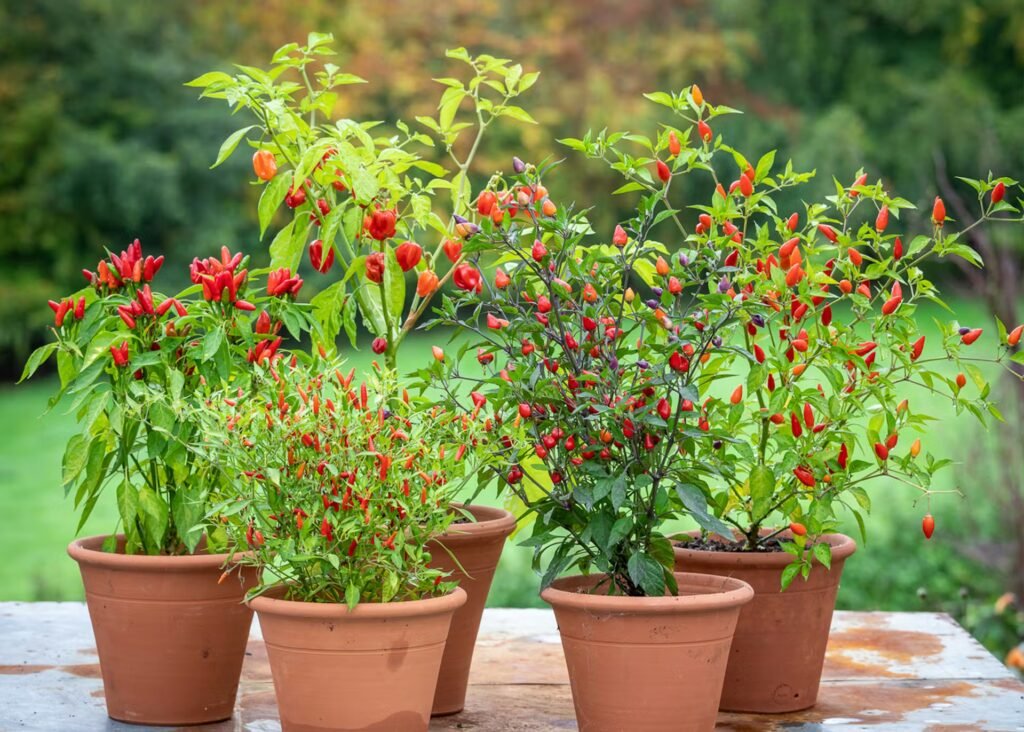
Once seedlings develop 2–3 true leaves, it’s time to transplant them for stronger growth.
✔ Steps:
- Prepare pots or garden beds with well-draining, fertile soil
- Space plants at least 30–45 cm apart to allow airflow and growth
- Transplant carefully to avoid damaging delicate roots
- Water immediately after transplanting to reduce shock
Seedlings thrive in nutrient-rich soil and a sunny location.
🌞 5. Ideal Growing Conditions
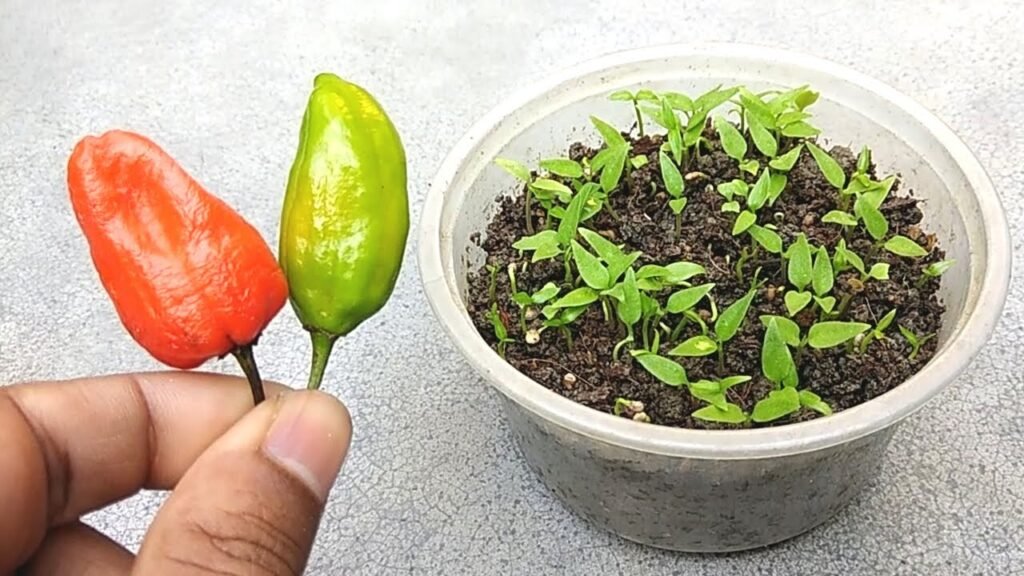
Chilies thrive in warm, sunny environments with proper soil and water management.
✔ Temperature: 20–30°C (68–86°F)
✔ Sunlight: 6–8 hours of direct sunlight per day
✔ Soil: Well-draining, slightly acidic to neutral (pH 6.0–7.0), enriched with compost
✔ Water: Consistently moist but not waterlogged
Tip: Mulch around plants to retain moisture, suppress weeds, and maintain stable soil temperature.
🌶️ 6. Fertilizing for Healthy Growth
Chilies are nutrient-hungry, especially during flowering and fruiting.
✔ Organic Fertilizer Options:
- Compost or well-rotted manure
- Liquid seaweed extract
- Fish emulsion or diluted organic fertilizer
✔ Feeding Schedule:
- Start with balanced fertilizer during vegetative growth
- Switch to phosphorus- and potassium-rich fertilizer when buds appear to encourage flowering and fruiting
Proper fertilization ensures lush plants and spicy, flavorful chilies.
🌱 7. Supporting Your Plants
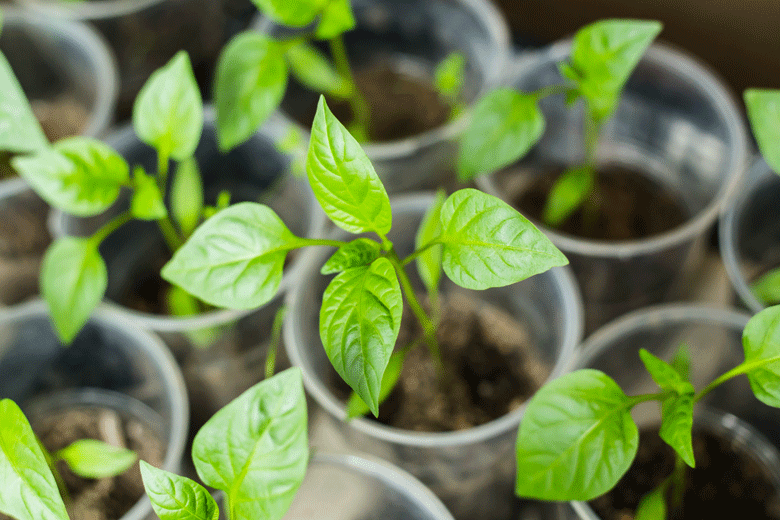
Tall or heavily fruiting chili plants may need support to prevent bending or breaking.
✔ Support Techniques:
- Use bamboo stakes or garden sticks
- Tie plants gently with soft twine or plant ties
- Ensure ties do not constrict stems as they grow
Support also improves air circulation, reducing fungal problems.
🌿 8. Pest and Disease Management
Chilies can attract pests, but proper care keeps plants healthy.
❌ Common Pests:
- Aphids, whiteflies, spider mites
- Caterpillars or thrips
❌ Common Diseases:
- Powdery mildew, leaf spot, root rot
✔ Organic Prevention Tips:
- Neem oil spray or insecticidal soap
- Introduce beneficial insects like ladybugs
- Remove affected leaves and ensure good spacing for airflow
- Avoid overhead watering to prevent fungal growth
Healthy plants = more chili fruits and less stress.
🌶️ 9. Flowering and Fruiting
Chili plants require proper care during flowering to ensure a bountiful harvest.
✔ Tips:
- Encourage flowering with warm temperatures and sufficient sunlight
- Gently shake plants or use a small brush to transfer pollen if pollinators are scarce
- Prune lower leaves to channel energy toward fruits
Proper flower care leads to more chili pods per plant.
🌱 10. Harvesting Your Chilies
Chilies are ready to harvest when they reach desired size and color.
✔ Harvesting Tips:
- Snip fruits with scissors or garden shears to avoid damaging stems
- Harvest regularly to encourage continuous production
- For milder flavor, pick early; for hotter, allow full ripening
Regular harvesting ensures plants remain productive throughout the season.
🌿 11. Creative Gardening Ideas for Beginners
Even beginners can enhance productivity with simple strategies:
✔ Container Gardening
- Ideal for balconies, patios, or small spaces
- Use 5–10 liter pots with good drainage
✔ Vertical Gardening
- Use trellises or hanging baskets for space efficiency
✔ Regrowing from Kitchen Scraps
- Some chili stems can sprout roots in water before planting
✔ Companion Planting
- Plant basil, onions, or marigolds nearby to deter pests naturally
These ideas maximize yield and minimize effort for new gardeners.
🌶️ 12. Benefits of Growing Your Own Chilies
Growing chilies at home is not just about spice—it offers numerous advantages:
✔ Health Benefits
- Rich in vitamin C and antioxidants
- Can boost metabolism and immunity
✔ Cost Savings
- Reduce grocery bills by growing multiple harvests
✔ Freshness
- Pick chilies when you need them, no preservatives
✔ Sustainability
- Reduce food packaging and waste
✔ Fun and Educational
- A rewarding activity for adults and children alike
🌱 13. Final Tips for Chili Gardening Success
- Choose beginner-friendly varieties suited to your space and climate
- Start seeds indoors for a head start on the growing season
- Provide 6–8 hours of sunlight and consistent warmth
- Keep soil fertile and moist, with organic fertilizers
- Support plants with stakes for tall or fruit-heavy varieties
- Monitor for pests and diseases and act early
- Harvest regularly to encourage continuous fruiting
Following these tips ensures healthy plants and abundant, flavorful harvests.
🌶️ Conclusion
Growing chilies at home is simple, rewarding, and beginner-friendly. With the right seeds, soil, sunlight, and care, anyone can enjoy fresh, spicy chilies right from their garden or balcony.
From germination to harvest, each step offers the satisfaction of watching your plants thrive. Incorporating creative gardening ideas, proper fertilization, and pest management ensures a continuous supply of flavorful chilies throughout the season.
Start your chili gardening journey today, and experience the joy of homegrown heat, flavor, and satisfaction.